🏛️ The Gutter Report: A 20-Year Case Unravels — Jam Master Jay Conviction Thrown Out
A federal conviction collapses, a defendant nears release, and one of hip-hop’s most infamous cases is suddenly back in question
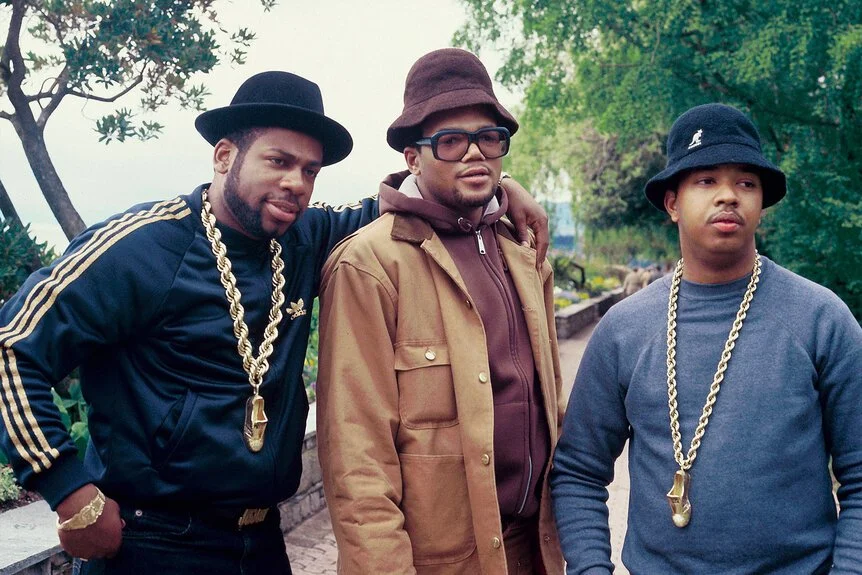
🎤 Jam Master Jay (left) with Run-DMC — pioneers who helped define hip-hop culture worldwide
🎯 The Case That Defined a Generation
Queens, New York — On October 30, 2002, Jason Mizell — better known as Jam Master Jay of Run-DMC — was shot and killed inside a recording studio in Hollis, Queens.
He was seated when the gunman opened fire. Another man in the room was struck but survived. Multiple people were present. No one immediately cooperated.
👉🏾 The case stalled. Leads dried up.
👉🏾 For nearly two decades, one of the most high-profile killings in hip-hop history remained unsolved.
🧾 The Federal Breakthrough
In 2020, federal prosecutors in Brooklyn announced what many believed was long overdue — a development widely reported by ABC7 New York and NBC New York.
Charges were filed against:
Karl Jordan Jr.
Ronald Washington
The government’s theory was clear:
👉🏾 The killing was tied to a multi-kilogram cocaine deal
👉🏾 A dispute over drug profits turned deadly
This wasn’t just a homicide case — it was prosecuted as a federal drug-related killing, meaning the government had to prove the crime was directly connected to narcotics trafficking.
⚖️ A Conviction — Then a Reversal
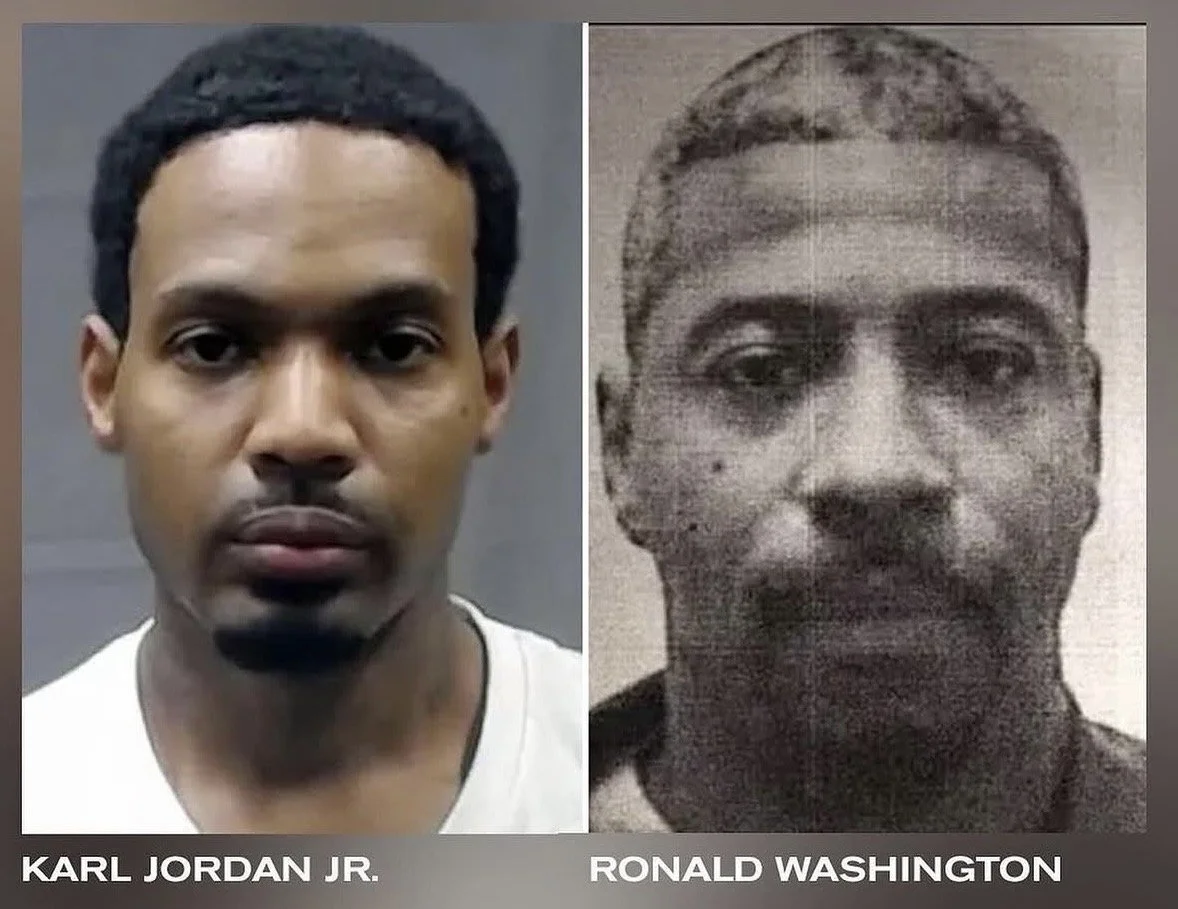
📸 Karl Jordan Jr. (left) and Ronald Washington (right) — the two men at the center of the federal case
In February 2024, a jury found both men guilty, a verdict covered across outlets including NBC New York.
But that closure didn’t hold.
Judge LaShann DeArcy Hall later vacated Karl Jordan Jr.’s conviction — a major legal development detailed in reporting by New York Post.
👉🏾 Prosecutors did not sufficiently prove the drug connection
Without that, the legal foundation of the federal charge collapsed.
🔓 The Bond Decision That Changed Everything
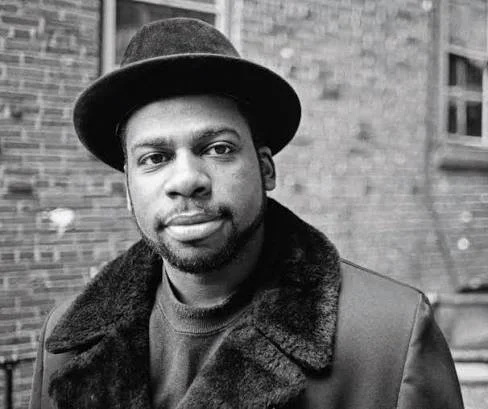
🕊️ Jam Master Jay — the case at the center of a legal fight that continues decades later
📅 April 6, 2026
Judge Hall approved a $1 million bond package for Karl Jordan Jr., according to ABC7 New York and New York Post.
The terms include:
Electronic monitoring
Strict supervision
Financial backing from family and supporters
👉🏾 Homes and assets were put up as collateral
Because for the first time since his conviction:
👉🏾 Karl Jordan Jr. could be released within days
⏳ Why He’s Still Locked Up (For Now)
Even with the conviction thrown out, Jordan does not walk immediately.
He still faces:
Federal drug charges
Firearm-related charges
Those charges keep him in custody unless bond conditions are fully satisfied and no legal blocks are put in place — a point also emphasized in coverage from NBC New York.
⚠️ What Happens Next
The government now has a narrow window to act:
File an appeal
Move to block his release
If they don’t:
👉🏾 He will be released while continuing to fight the remaining charges
🧠 The Bigger Picture
This case is no longer a clean conviction story — it’s a fractured prosecution.
One conviction overturned
One still standing
One defendant still awaiting outcome
But the deeper issue is this:
👉🏾 The entire federal case was built around a drug-related motive
👉🏾 And that foundation did not hold up in court
That’s not minor. That’s structural.
🎯 Why This Matters
One of hip-hop’s most well-known killings was finally “solved” after decades.
Now:
👉🏾 That solution is being challenged in real time
A man convicted in 2024 is now potentially days away from release in 2026.
And the case that once looked definitive is now raising new questions about how it was built in the first place.
Not for clicks — for clarity.
— Elliott Carterr, LFTG Radio
📱 TikTok: @elliott_carterr ↗
📺 YouTube: @lftgradio ↗
🌐 Website: LFTGRadio.com ↗
⚖️ The Gutter Justice Project ↗
❤️ Support the work: LFTGRadio.com/donate ↗
