
What happened in 1985 — and why the conviction is still being questioned decades later
Pinellas County, Florida
🚨 The Man on Death Row
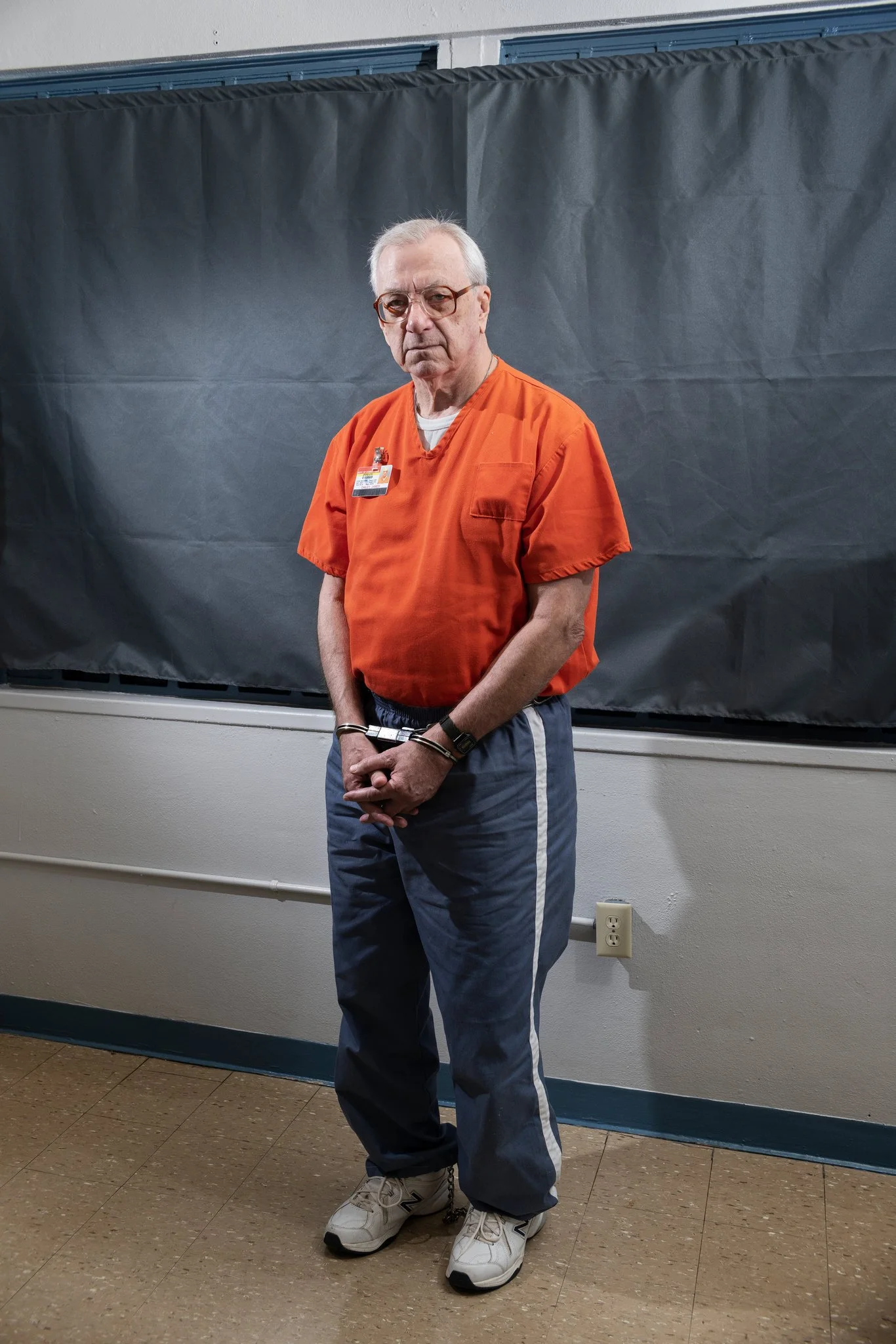
👨🏼💼 James Dailey, who has spent more than three decades on Florida’s death row
James Dailey has spent over 30 years on death row for a 1985 killing.
The conviction has held.
The sentence has held.
But the case behind it has never stopped being debated.
🕊️ The Case: What Happened in 1985

🕊️ Shelly Boggio, whose 1985 killing remains at the center of this case
In May 1985, Shelly Boggio disappeared in Pinellas County and was later found near Indian Rocks Beach.
According to the official case summary published by the Florida Legislature, she had been stabbed, strangled, and drowned.
Two men were arrested and charged:
• James Dailey
• Jack Pearcy
⚖️ How the Case Was Built — And Why Dailey Was Convicted
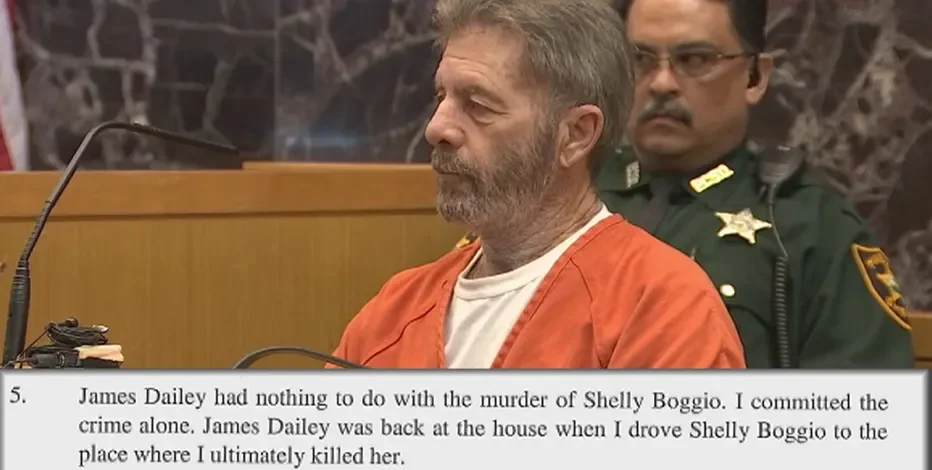
📄 Jack Pearcy, the co-defendant whose testimony played a key role in the case
The case against Dailey was built primarily on testimony, not physical evidence.
Prosecutors argued:
Dailey and Pearcy were together that night
Boggio got into their vehicle
Dailey participated in the killing
As outlined in the Florida Supreme Court’s written opinion, the conviction relied on:
testimony from Pearcy
statements from jailhouse informants who claimed Dailey confessed
witness observations placing him with Pearcy
What the case did not include:
no DNA linking Dailey to the scene
no fingerprints placing him there
no direct forensic evidence
Despite that, a jury convicted him, and he was sentenced to death.
Pearcy, meanwhile, received life in prison.
🧾 The Co-Defendant’s Statement — And Why It Didn’t Change the Outcome
At one point, Pearcy made a written statement claiming:
👉🏾 “James Dailey had nothing to do with the murder… I committed the crime alone.”
He said Dailey was not present and had no involvement.
But as FOX 13 News reported, when Pearcy was brought into court, he refused to clearly repeat that claim under oath.
Because of that:
the statement was not treated as reliable evidence
it was not enough to overturn the conviction
🧾 The Informant Testimony
A major part of the case came from jailhouse informants who claimed Dailey confessed.
One of those informants later became a major point of controversy.
An investigation by ProPublica raised serious concerns about that testimony and how often it had been used in other cases.
That creates a key issue:
If that testimony is unreliable, the strength of the conviction becomes questionable.
👨🏻⚖️ What the Courts Said
The Florida Supreme Court upheld Dailey’s conviction.
But not without disagreement.
In a dissent within the same Florida Supreme Court decision, a justice pointed out:
there was no forensic evidence
the case relied heavily on inmate testimony
That internal disagreement is one reason the case continues to be debated.
🧠 Why This Case Is Still Being Questioned
This case comes down to one core issue:
👉🏾 What level of evidence is enough for a death sentence?
Because here:
the conviction relied on testimony
the physical evidence was limited
the co-defendant later made conflicting claims
And yet:
👉🏾 The conviction still stands
⚠️ Final Word
This is not a mystery about whether a crime happened.
It is a question about whether the system got it right.
Because when the punishment is death, the expectation is certainty.
And this case has spent decades raising the same question:
👉🏾 Was there enough of it?
Not for clicks — for clarity.
— Elliott Carterr, LFTG Radio
📱 TikTok: @elliott_carterr ↗
📺 YouTube: @lftgradio ↗
🌐 Website: LFTGRadio.com ↗
⚖️ The Gutter Justice Project ↗
❤️ Support the work: LFTGRadio.com/donate ↗
