
🧱 The Gutter Report: From Overcharged to Overburied — Wesley Sykes and New York’s SHU Problem
How dismissed charges, disciplinary inertia, and unchecked isolation kept one man buried in the box
📅 December 18, 2022 — The Incident That Started Everything
New York State — On December 18, 2022, while incarcerated at Great Meadow Correctional Facility, Wesley Sykes was involved in an incident that would place him in Special Housing Unit (SHU) — commonly known as the box.
From that single incident, prison officials issued a misbehavior report charging Sykes with:
Assault on staff
Gang activity
Violent conduct
These are among the most serious disciplinary allegations available under DOCCS rules. Together, they form the kind of narrative routinely used to justify immediate removal from general population and placement into extreme isolation.
Sykes was sent to the box before any hearing concluded.
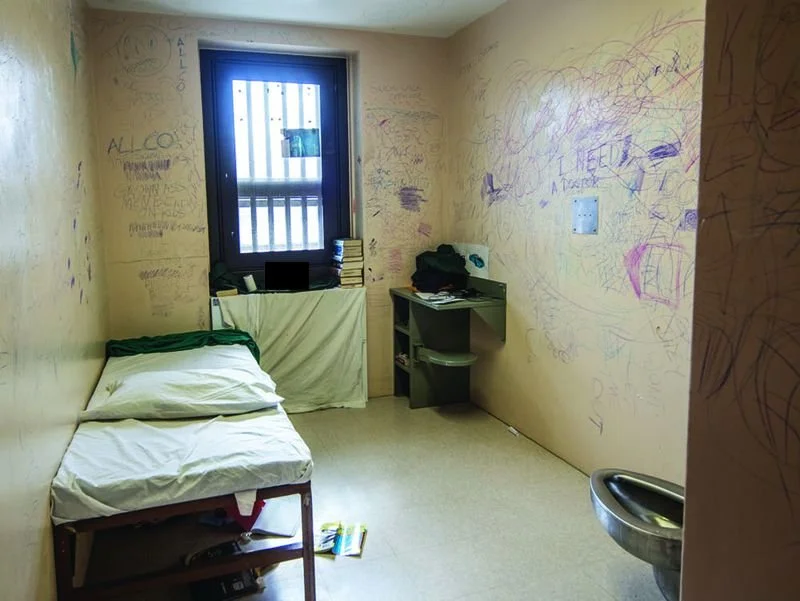
🛏️ A standard SHU cell: isolation, minimal space, and deprivation by design.
⚖️ December 30, 2022 — The Tier III Hearing
On December 30, 2022, a Tier III disciplinary hearing was held — the highest and most punitive level of prison discipline in New York.
As the hearing process unfolded, the original narrative began to fall apart.
According to the disciplinary outcome referenced in Wesley Sykes’s Article 78 petition:
The assault on staff charge was dismissed
The gang activity charge was dismissed
Only violent conduct was sustained
Two of the three allegations — including the ones that justified extreme punishment — did not survive scrutiny.
Yet despite this collapse, Wesley Sykes remained in the box.
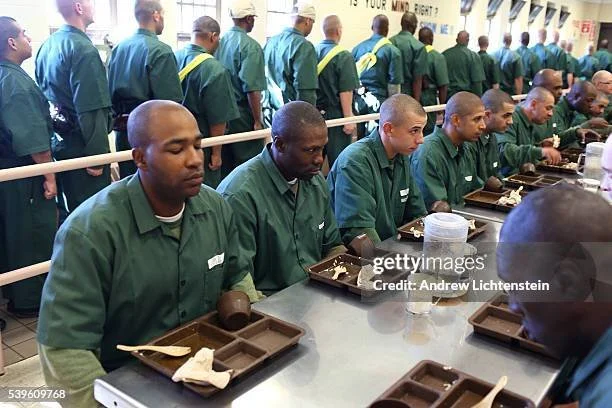
🍽️ Life outside the box: communal meals, structured movement, and basic human contact denied to those in SHU.
🚨 Overcharging First, Punishing Forever
The Article 78 record exposes a familiar and deeply troubling pattern:
Overcharge at the outset
Use those charges to justify immediate SHU placement
Allow weaker allegations to quietly fall away
Preserve the punishment anyway
This is not discipline — it is punishment by momentum.
Once assault on staff and gang activity were dismissed, the only allegation left was violent conduct — a broad, catch-all charge that does not require proof of staff injury, organized violence, or gang affiliation.
Instead of reassessing whether continued isolation was justified, the system defaulted to maintaining the most extreme punishment available.
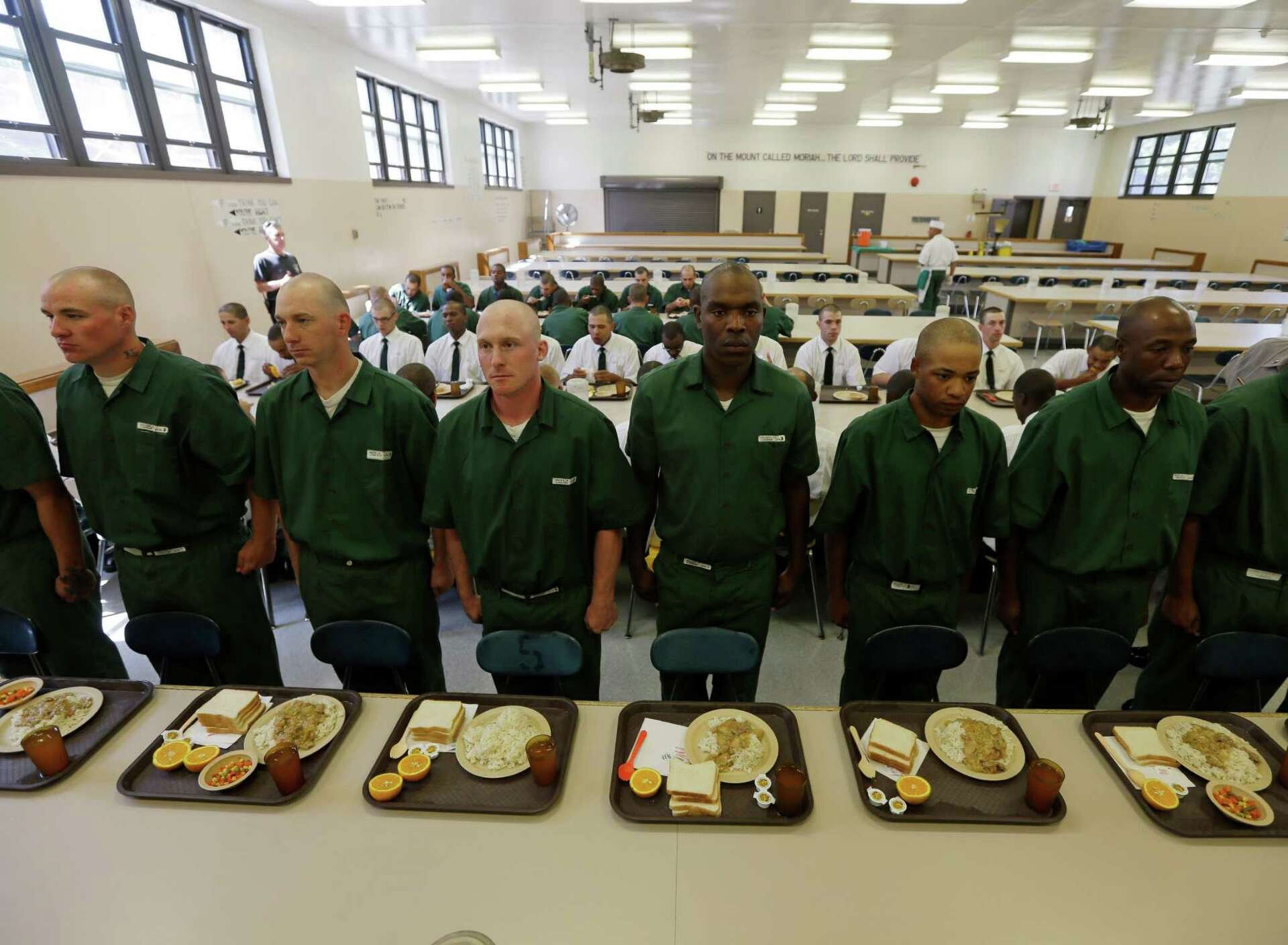
🧍🏾♂️ Control and compliance on display: order maintained, accountability absent.
📄 March 21, 2023 — The Administrative Appeal Is Denied
After the Tier III disposition, Wesley Sykes pursued administrative relief.
On March 21, 2023, the disciplinary determination was affirmed.
By that point:
The most serious charges had already been dismissed
Sykes had already spent months in isolation
Arguments regarding excessiveness and procedural fairness had been formally raised
Still, nothing changed.
The punishment remained intact — not because it fit the findings, but because the system refused to revisit its initial decision.
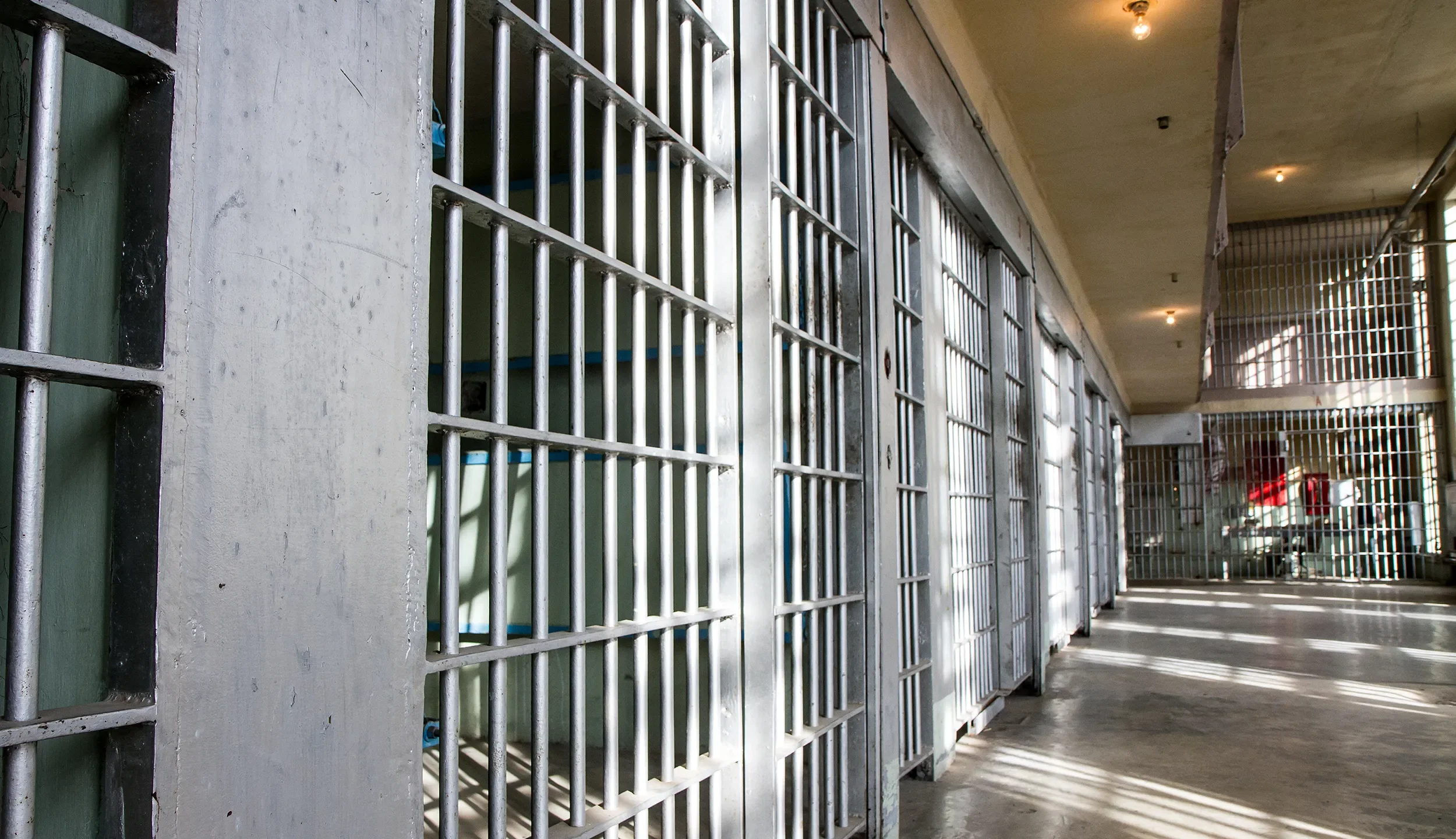
🚪 A corridor of barred cells: isolation normalized and extended.
🧠 A Process That Never Corrected Itself
The most damning detail in Wesley Sykes’s case is not a single procedural error — it is the absence of correction.
At no point did the system meaningfully ask:
Whether dismissed charges should reduce punishment
Whether continued SHU confinement was still justified
Whether isolation had become excessive rather than corrective
By the time internal remedies were exhausted, Sykes was no longer confined for assault on staff.
He was no longer confined for gang activity.
He was confined because no one intervened.
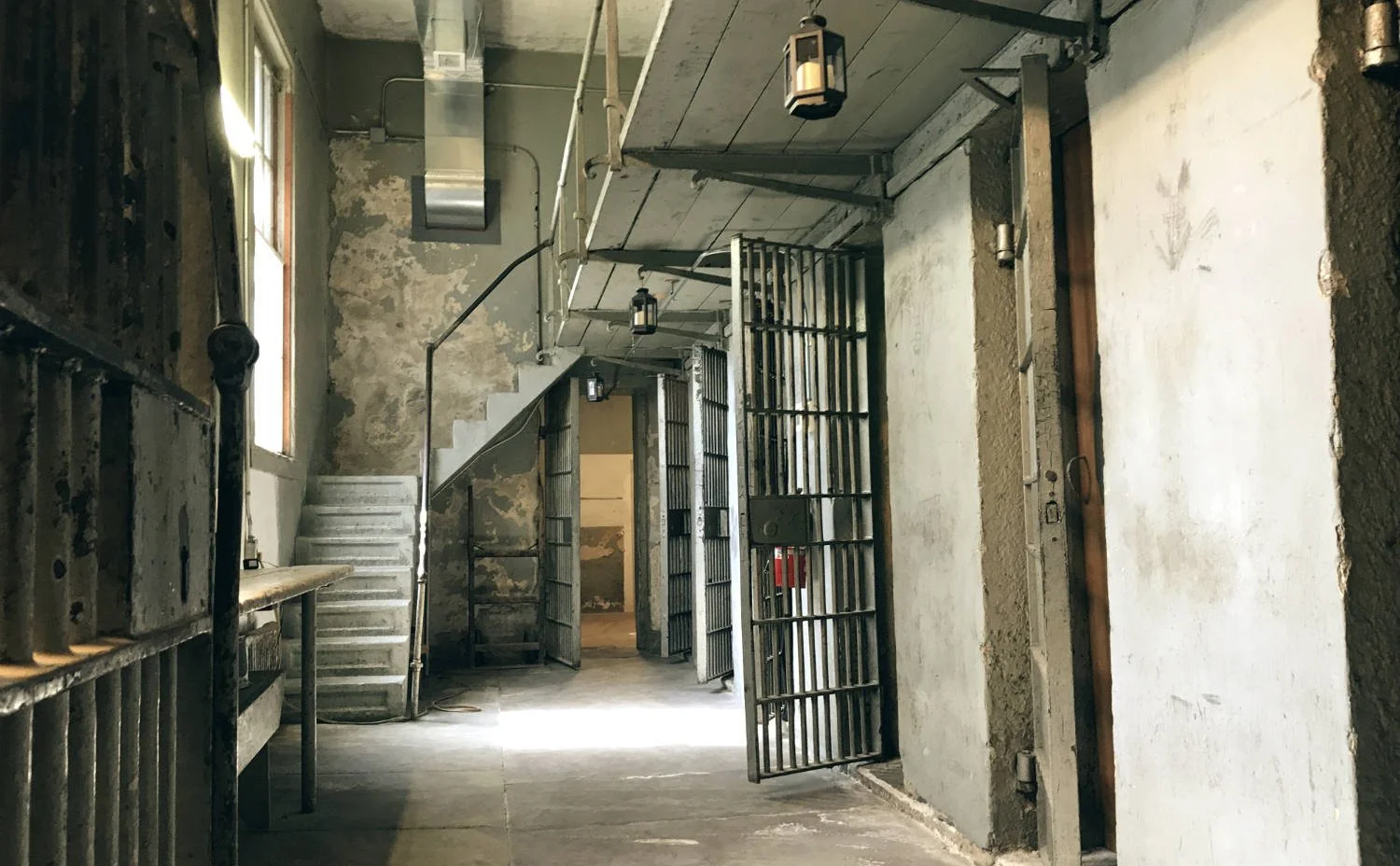
🔒 Steel, concrete, and permanence — the architecture of prolonged isolation.
📜 July 2025 — The Article 78 Petition Is Filed
After exhausting all internal avenues, Wesley Sykes filed an Article 78 petition in Albany County Supreme Court in July 2025.
That filing asks the court to review:
The disciplinary process
The excessiveness of the punishment
The failure to reduce or reverse SHU confinement after charges collapsed
By the time the petition was sworn and served, nearly three years had passed since the December 18, 2022 incident.
Nearly three years in isolation.
Nearly three years without meaningful reassessment.
⚠️ The HALT Act Context
New York’s HALT Act, effective March 31, 2022, was enacted to curb prolonged solitary confinement and prevent exactly this type of outcome.
The law was intended to ensure isolation is:
Rare
Time-limited
Proportionate
Subject to meaningful review
Wesley Sykes’s case shows how easily those promises collapse when overcharging, unchecked discretion, and institutional inertia intersect.
📢 Call to Action
Wesley Sykes must be immediately removed from the box.
His continued confinement in SHU — stemming from a December 18, 2022 incident, sustained after dismissed charges, and preserved through years of inaction — is excessive, unjustified, and indefensible.
Beyond his individual case, there must be a full, independent review of the disciplinary system that placed and kept him there, including:
Overcharging practices
The misuse of “violent conduct” as a fallback
The failure to reassess punishment once allegations collapse
Solitary confinement should not survive the collapse of its justification.
Not for clicks — for clarity.
— Elliott Carterr, LFTG Radio
📱 TikTok: @elliott_carterr ↗
📺 YouTube: @lftgradio ↗
🌐 Website: LFTGRadio.com ↗
⚖️ The Gutter Justice Project ↗
❤️ Support the work: LFTGRadio.com/donate ↗
