🧠 The Gutter Report: IShowSpeed and the Rebranding of the Motherland
How one streamer quietly rewrote Africa’s global image in real time
🎥 From Twitch to the Motherland
Africa — In the first week of January 2026, IShowSpeed launched what became one of the most culturally impactful creator tours in modern internet history.
By late January 2026, it was over — a 28-day run across roughly 20 African countries that blurred the line between content, culture, and global influence.
No press pass.
No production crew.
No corporate framing.
Just a phone, a live stream, and millions of viewers watching him move through the continent — in real time, unfiltered, unscripted.
The scale alone was historic:
28 days
~20 African countries
Crowds in every major stop
Continuous livestreams feeding TikTok, YouTube Shorts, and IG Reels
The tour was documented by major outlets like AP News in their recap:
👉🏾 IShowSpeed wraps up Africa tour highlighting the continent’s cultural diversity
What started as “content” turned into something way bigger:
a global audience seeing Africa as it actually feels, not how it’s usually sold.
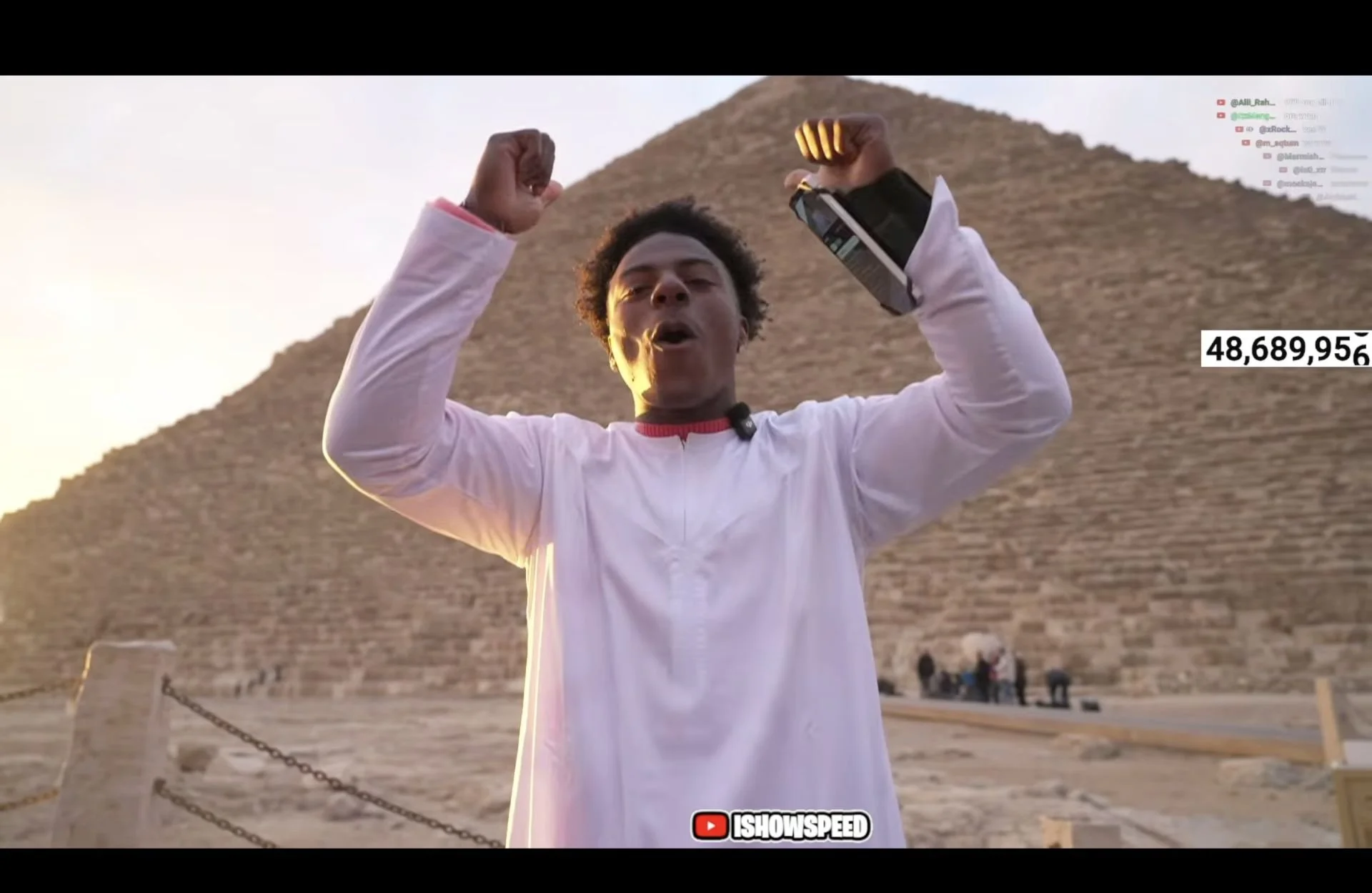
🏜️ History met the algorithm at the pyramids — not tourism, but presence.
🌍 What Western Media Never Shows
For decades, Africa has been framed through three lenses:
War
Poverty
Aid campaigns
That’s it.
But Speed’s streams showed:
Packed streets full of energy
Kids chasing him laughing
Markets alive with noise and color
Food, jokes, chaos, dance, joy
People proud, loud, and fully present
No sad piano music.
No aerial drone shots of suffering.
No narrator explaining “the struggle.”
Just life.
And that alone was revolutionary.
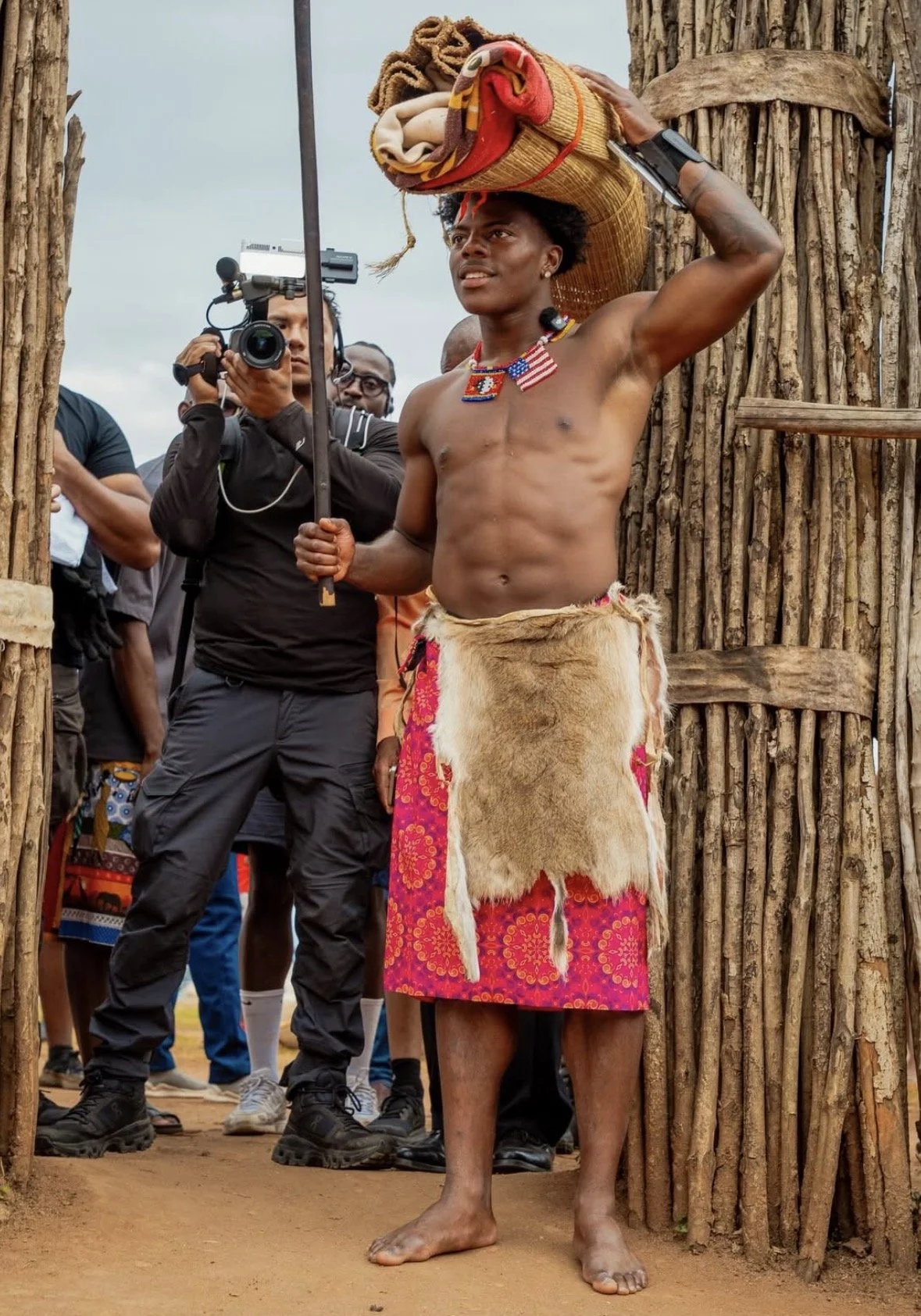
🪶 Carrying culture, not a camera crew — the moment he stopped being a visitor and became part of the story.
🛂 The Passport Moment (What Actually Happened)
This wasn’t “an African passport.”
Near the final stretch of the tour in late January 2026, the government of Ghana publicly moved to recognize him. Ghana’s Foreign Minister, Samuel Okudzeto Ablakwa, announced that the country had approved the issuance of a Ghanaian passport for Speed.
This was reported by outlets including Times of India and Complex:
👉🏾 YouTuber IShowSpeed set to receive Ghanaian passport after Africa tour
👉🏾 IShowSpeed to Get Ghana Passport After Africa Tour
Why?
Not because he’s famous — but because:
His tour put millions of global eyes on Ghana and Africa
He presented the continent positively, organically, and unfiltered
Officials framed him as a modern cultural ambassador to the diaspora
In simple terms:
A Black American streamer showed up, represented the culture with respect, and a sovereign African state said:
“You’re one of us.”
The reaction inside Ghana was mixed — with both praise and criticism — reported by AfricaNews:
👉🏾 Ghana: Mixed reactions after government grants passport to IShowSpeed
This wasn’t a fan moment.
This was official diaspora recognition.
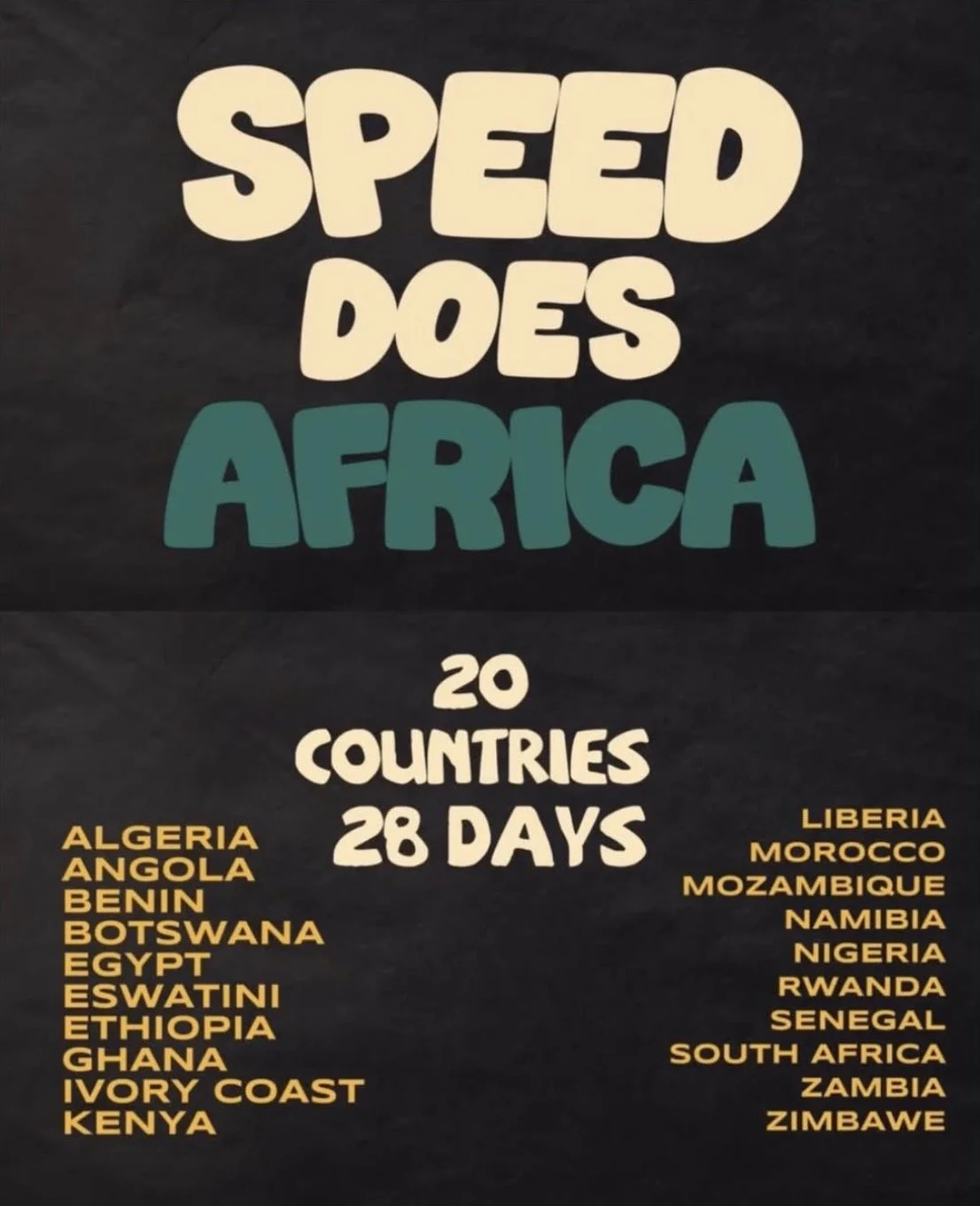
🗺️ “Speed Does Africa” became a cultural itinerary for millions.
⚽ From Livestreams to Global Stages
Speed’s tour wasn’t just random travel.
During the run, he:
Attended the Africa Cup of Nations final in Morocco
Hit 50 million YouTube subscribers while in Nigeria
Turned local moments into global viral clips in real time
Both milestones were confirmed in the AP News recap.
That combination — street-level access plus global reach — is something traditional media literally cannot replicate.
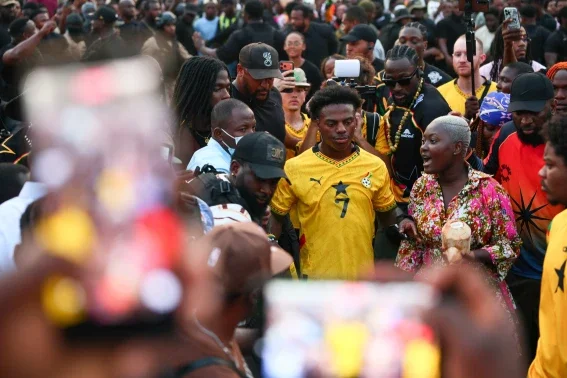
⚽ Wearing Ghana’s colors in front of thousands — the crowd wasn’t watching a streamer, they were embracing a symbol.
📱 The TikTok Effect
Here’s the uncomfortable truth for legacy media:
One Gen-Z streamer with a phone
did more for Africa’s image
than entire news institutions have in decades.
Why?
Because:
It felt real
It wasn’t filtered through a Western lens
It wasn’t trying to “educate” — it was just existing
People don’t want documentaries anymore.
They want proximity.
Speed didn’t explain Africa.
He let people experience it.
That’s a different level of influence.
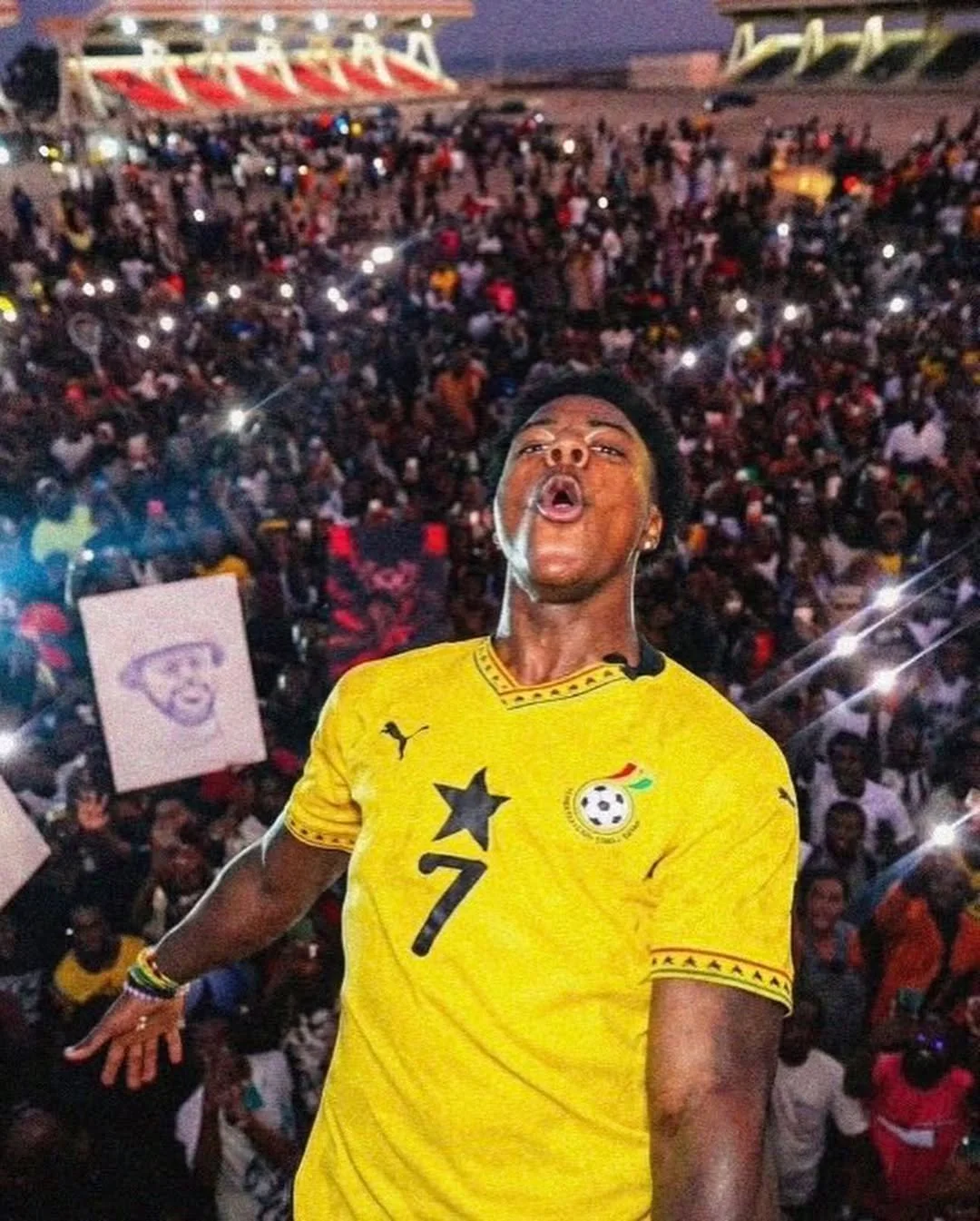
📱 Surrounded by phones, not bodyguards — proof the culture claimed him first.
🎭 The Cultural Impact
Speed’s tour didn’t just go viral — it shifted perception:
African youth saw themselves reflected globally
Diaspora viewers felt pride instead of distance
Non-Black viewers saw Africa as vibrant, not tragic
The continent became cool, not “other”
He didn’t sell Africa.
He normalized it.
And normalization is more powerful than promotion.
🧠 Why This Actually Matters
This isn’t about a YouTuber traveling.
This is about:
Who controls global narratives
Who gets to define what a place “is”
How the diaspora reconnects with identity
How media power has shifted from institutions to individuals
For a lot of young Black Americans and Europeans,
this was the first time Africa didn’t feel distant or foreign.
It felt:
familiar
cool
alive
accessible
Not a charity case.
Not a tragedy.
A home.
👑 The New Age of Cultural Ambassadors
The craziest part?
Speed wasn’t appointed.
He wasn’t trained.
He wasn’t briefed.
He just showed up.
And in doing so, he became something governments, NGOs, and media companies have failed to create:
A cultural bridge people actually trust.
No embassy.
No press release.
No marketing campaign.
Just presence.
🔥 The Real Story
This wasn’t tourism.
This wasn’t content.
This was cultural redistribution of power.
A reminder that:
You don’t need institutions to shape perception
You don’t need permission to tell real stories
And sometimes the most powerful media
is just someone showing the truth without trying to control it
Africa didn’t get “discovered.”
It got seen properly — for once.
Not for clicks — for clarity.
— Elliott Carterr, LFTG Radio
📱 TikTok: @elliott_carterr ↗
📺 YouTube: @lftgradio ↗
🌐 Website: LFTGRadio.com ↗
⚖️ The Gutter Justice Project ↗
❤️ Support the work: LFTGRadio.com/donate ↗
