
👑 The Gutter Report: The Attica Uprising and Its Place in Black History
Honoring the men whose courage reshaped New York’s prisons and strengthened our legacy
📍 Attica, New York — In September 1971, the world was forced to confront a truth it had buried behind concrete walls and steel bars. Inside Attica Correctional Facility, over 1,200 incarcerated men rose—not as criminals, but as human beings demanding dignity. What unfolded would permanently alter New York’s prison system and cement a lineage of Black leadership that still shapes power today.
Attica was not simply a moment of resistance.
It was a moment that created Black history.
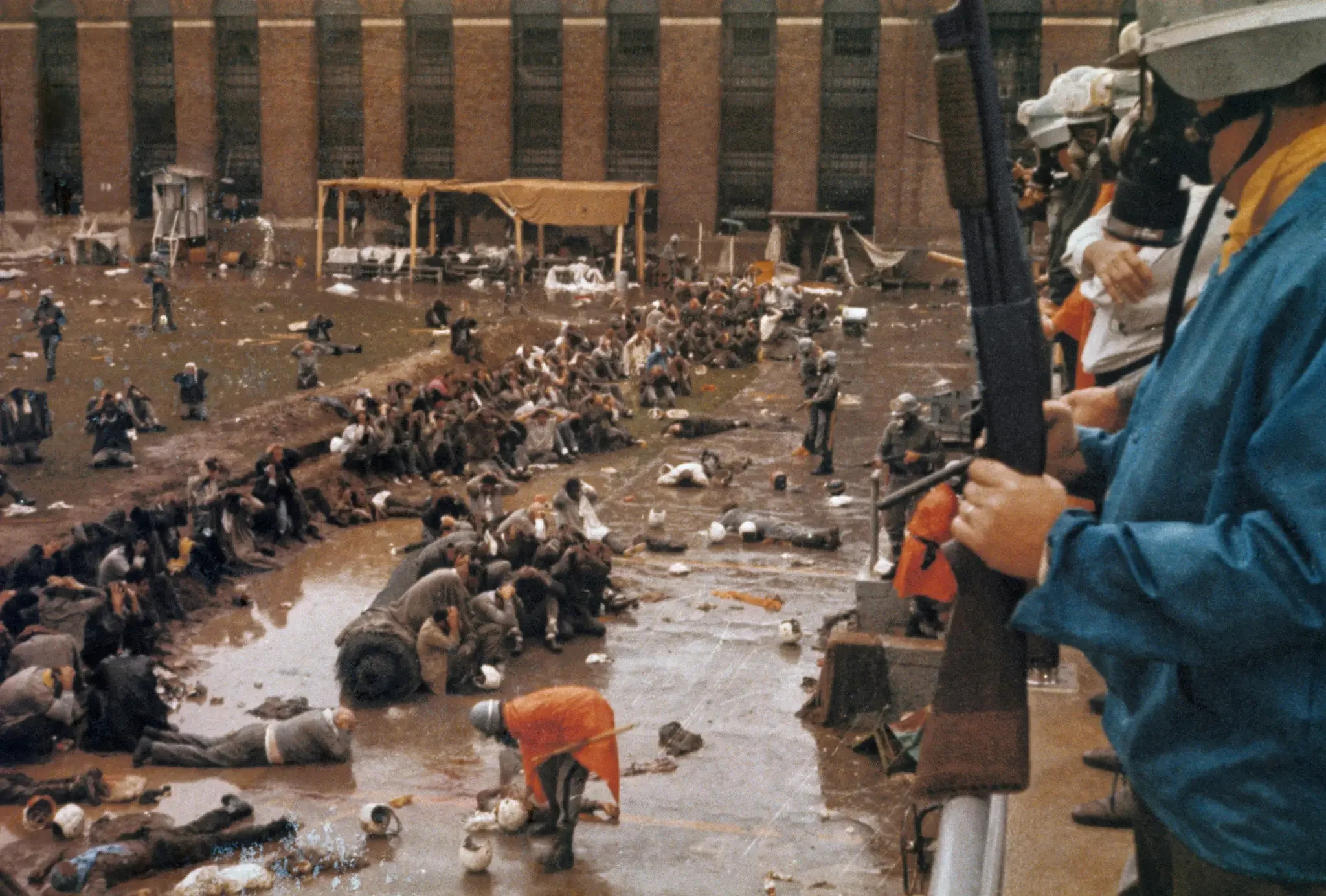
🩸 State force retakes Attica’s D-Yard after incarcerated men demanded humanity, exposing prison brutality to the world.
⛓️ Attica Was Never Just an Uprising — It Was a Stand for Humanity
On September 9, 1971, incarcerated men seized control of Attica’s D-Yard.
They weren’t asking for luxury.
They were asking for dignity.
Their demands included:
• Basic medical care
• Religious freedom
• Protection from racial abuse
• Fair wages for prison labor
• Humane living conditions
They issued 33 formal demands grounded in rights already promised under the Constitution—but denied behind prison walls.
For four days, they held their ground.
On September 13, 1971, New York State Police and correctional officers stormed the prison.
When it was over, 43 men were dead.
Thirty-three incarcerated men.
Ten correctional officers.
Investigations later confirmed that nearly all were killed by law enforcement gunfire.
Attica forced the world to see what had been hidden.
And once seen, it could never be ignored.
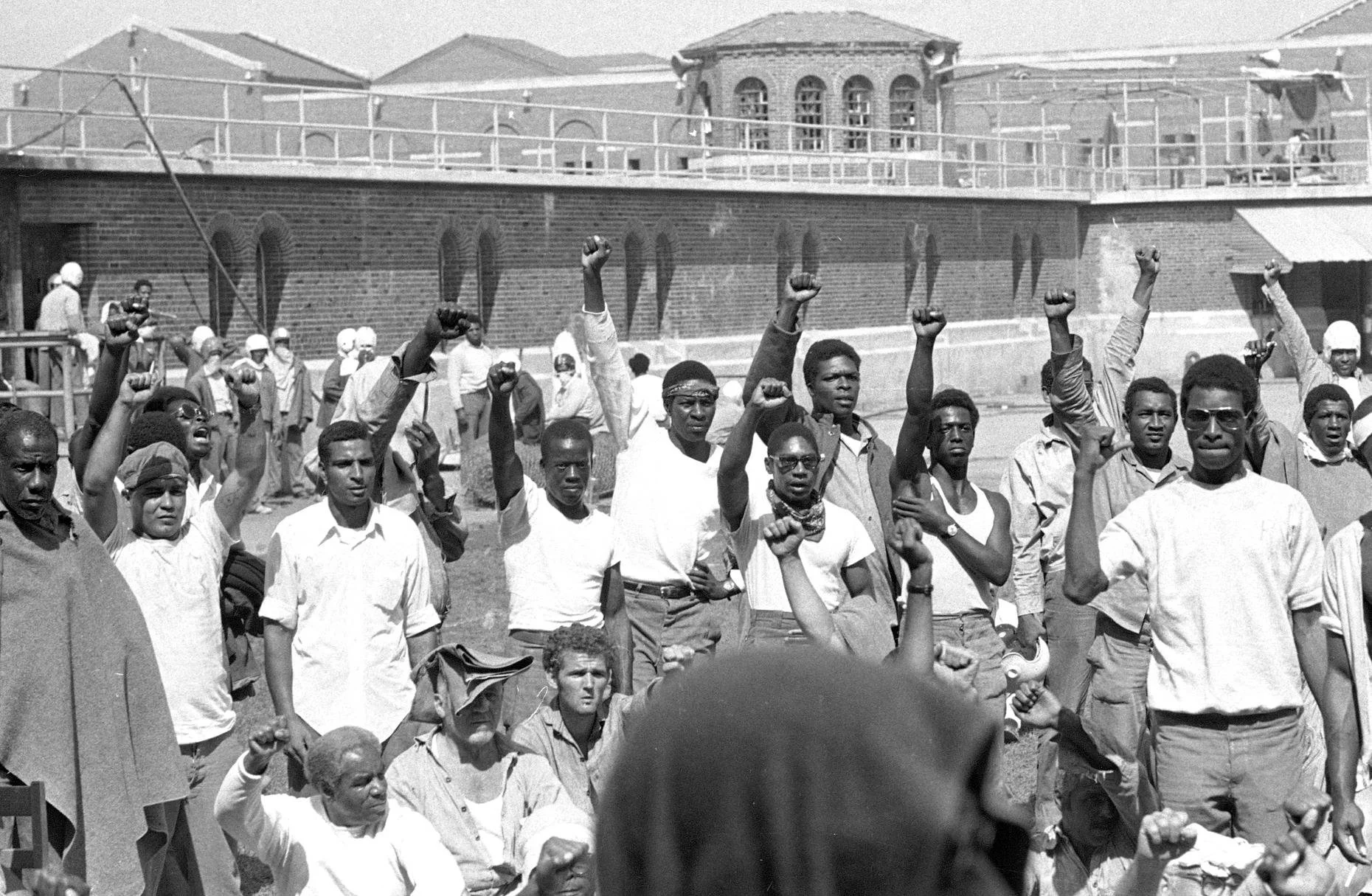
✊🏾 Incarcerated men raise their fists in unity, declaring dignity and brotherhood in the face of oppression.
🧠 George Jackson Helped Spark the Consciousness That Reached Attica
George Jackson never physically stood inside Attica.
But his influence was already there.
Jackson was an incarcerated writer and intellectual whose book Soledad Brother spread through prisons across America, including Attica.
He helped incarcerated men understand their reality not as personal failure—but as systemic control.
He gave them awareness.
He gave them voice.
On August 21, 1971, just 19 days before Attica began, George Jackson was shot and killed by correctional officers at San Quentin Prison.
News of his death traveled fast.
Inside Attica, his words and his legacy lived on.
His voice helped shape the consciousness of men who would soon make history.
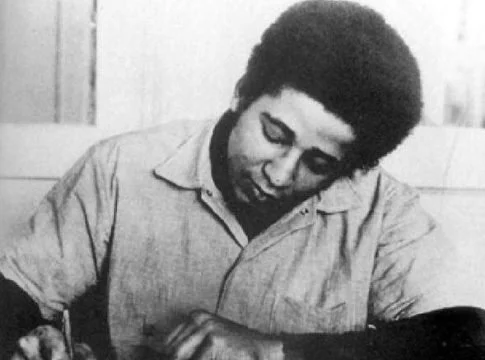
🧠 George Jackson became a symbol of intellectual strength, showing that leadership could rise even from prison walls.
✊🏾 Fred Hampton Proved Black Leadership Could Inspire a Generation
Fred Hampton represented the same rising power outside prison walls.
As chairman of the Illinois Black Panther Party, Hampton organized programs feeding children, educating communities, and building unity across racial lines.
He empowered people.
He built structure.
He built hope.
On December 4, 1969, he was killed in his sleep during a police raid.
He was only 21 years old.
His legacy lived on—not just in communities—but inside prison walls, where men saw themselves as part of the same movement toward dignity and leadership.
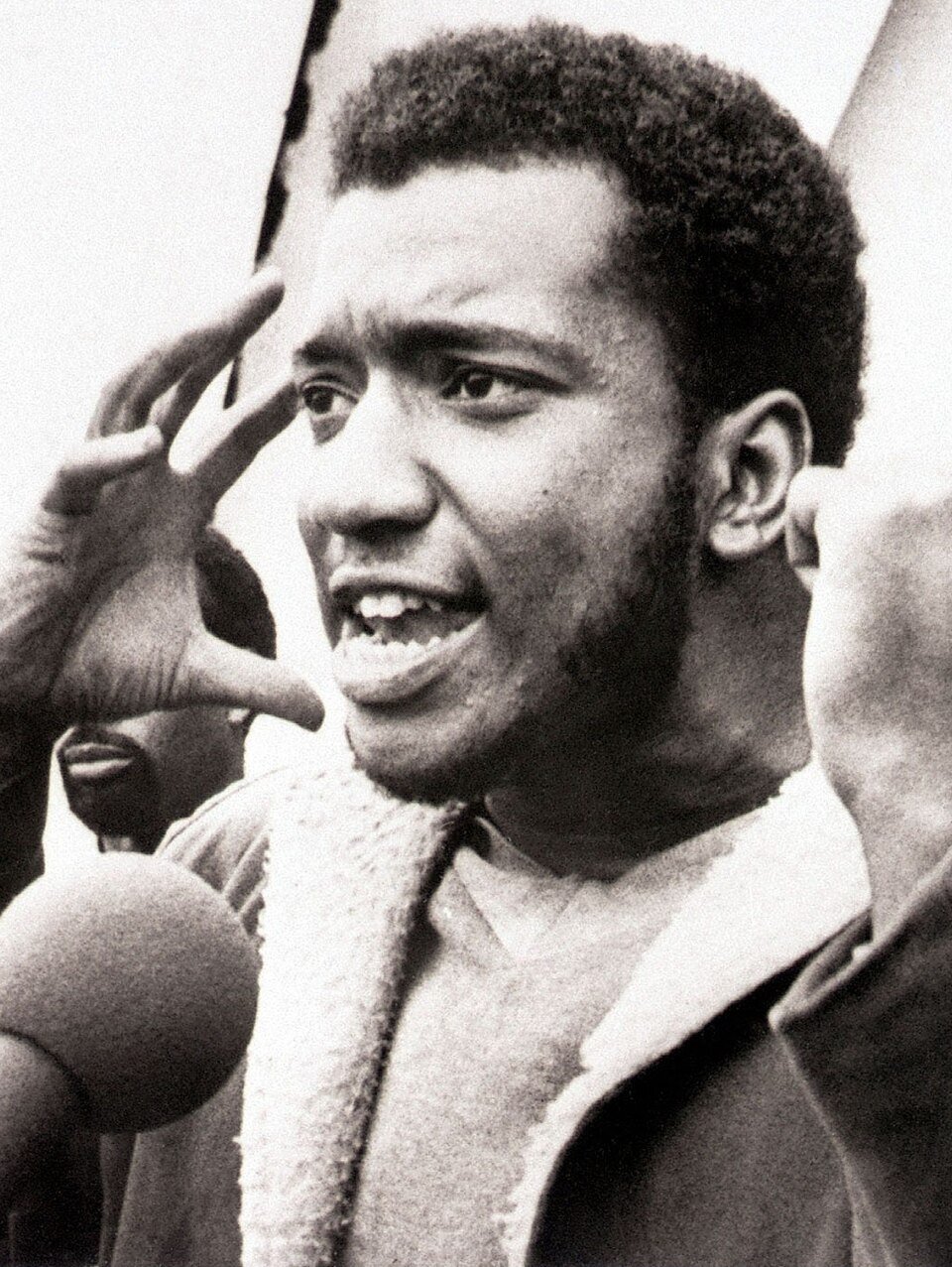
👑 Fred Hampton stands as a symbol of Black leadership, courage, and a legacy that could never be silenced.
⚖️ The Attica Uprising Forced Change That Still Exists Today
Attica exposed prison conditions to the public eye.
The system could no longer operate in silence.
Reforms followed, including:
• Increased oversight of prisons
• Expanded prisoner rights protections
• Improved medical care standards
• Greater accountability within correctional systems
Attica forced New York to evolve.
It forced recognition of incarcerated people as human beings.
It forced history forward.
🏛️ The Legacy of Attica Lives On Through Modern Black Leadership
Attica proved something powerful.
Prison does not erase leadership.
It can forge it.
Yusef Salaam, once wrongfully convicted and incarcerated, now serves on the New York City Council.
Eddie Gibbs, once incarcerated, now serves in the New York State Assembly.
Their presence in positions of power reflects the legacy created by those who stood at Attica.
They represent resilience.
They represent transformation.
They represent continuation.
They represent Black history in motion.
🕯️ The Men of Attica Were Legends and Pillars in Our Community
They were thinkers.
They were leaders.
They were builders of legacy.
They stood for dignity when dignity was denied.
They stood for humanity when humanity was ignored.
They forced the system to recognize their existence.
They forced the future to open doors.
They became pillars in the foundation of Black history.
🖤 They Gave Us the Coldest, Shortest Month — And Still We Rise
They gave their lives.
They gave their voices.
They gave their strength so future generations could stand taller.
And in return, this nation gave us the shortest and coldest month of the year to celebrate ourselves.
Still, we rise.
Still, we lead.
Still, we build.
Still, we remember.
Because the Attica Uprising was not just resistance.
It was creation.
It created change.
It created legacy.
It created Black history.
And their legacy lives on through all of us.
Not for clicks — for clarity.
— Elliott Carterr, LFTG Radio
📱 TikTok: @elliott_carterr ↗
📺 YouTube: @lftgradio ↗
🌐 Website: LFTGRadio.com ↗
⚖️ The Gutter Justice Project ↗
❤️ Support the work: LFTGRadio.com/donate ↗
