
🧾 The Gutter Report: The Hector Rivas Case — What Actually Went Wrong
Forensic Evidence, Suppressed Records, and the Conviction a Federal Court Said Would Likely Not Survive a Fair Trial
👨🏻⚖️ The Settlement That Reopened Everything
Syracuse, New York — Onondaga County is preparing to pay $1 million to the family of Hector Rivas, ending a decades-long legal battle over whether he was wrongfully convicted in the 1987 murder of his ex-girlfriend, Valerie Hill.
Rivas spent 24 years in prison after a jury convicted him in 1992 and sentenced him to 25 years to life. He died in 2016 — two months before a court-ordered new trial could begin.
This settlement is not about politics.
It’s about whether a man lost half his life because the forensic evidence used to convict him was unreliable, misleading, or fabricated.
That is the heart of this case.
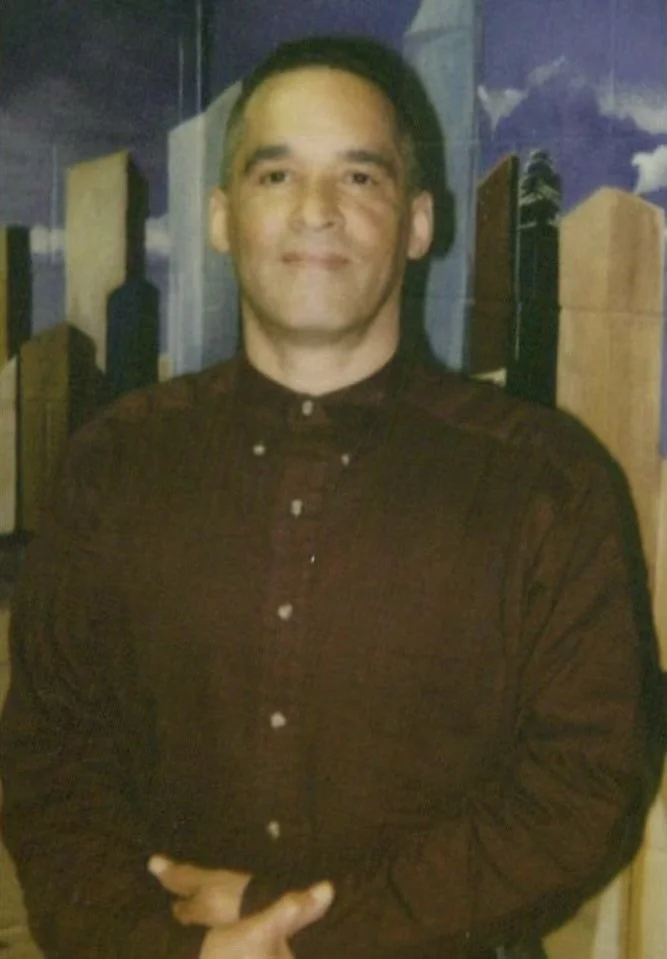
📷 Hector Rivas: A prison-era photo of Rivas during the years he was serving a 25-to-life sentence for a conviction later ruled unreliable by federal courts.
🧠 The Core Dispute: Time of Death
The entire prosecution against Rivas hinged on when Valerie Hill died.
If Hill died on Friday night, Rivas did not have a solid alibi.
If she died later, he did.
Former county medical examiner Erik Mitchell testified that Hill died on Friday evening — and prosecutors built the case around that conclusion.
But years later, that timeline began to collapse.
Through a series of Freedom of Information Law requests, Rivas’s post-conviction lawyer Sidney Manes uncovered at least five police reports that were never turned over to the defense.
Two of those reports came from Hill’s neighbors:
One woman said she heard a woman scream between 12:30 and 1:00 a.m. Sunday while watching Saturday Night Live.
Another neighbor heard a dog barking and a car speeding away late Saturday night.
Those statements placed the murder at a time when Rivas had an alibi — directly contradicting the prosecution’s theory.
Rivas’s original trial lawyer testified he had never seen those reports. If he had, he would have used them to argue someone else committed the crime.
🧪 The “Brain Slides” That Never Existed
The most devastating revelation came from Mitchell’s own forensic claims.
At trial, the district attorney told jurors that Mitchell determined the time of death by examining “autopsy sectional brain slides.” This was presented as scientific proof.
Manes later obtained a court order to retrieve those slides.
They were not slides.
They were photographs.
A doctor reviewing them told Manes:
“These aren’t brain slides. They’re just photos.”
This meant the scientific method that supposedly fixed the time of death never existed in the form described to the jury.
The prosecution later acknowledged that the “slides” were not actual tissue samples.
One federal appeals judge summed it up in court:
“The best part is, the slides — which do not exist.”
⚖️ Federal Judges: A Jury Would Likely Acquit
In 2012, the Second Circuit Court of Appeals ruled that:
“It is more likely than not that a reasonable juror, considering all the evidence, old and new, would vote to acquit Rivas.”
That is not a technical ruling.
That is a federal court saying the conviction probably would not survive a fair trial.
In 2015, the same court ordered a new trial, finding Rivas’s original lawyer provided ineffective assistance by failing to challenge the time-of-death evidence.
Rivas never lived to see that trial.
🗣️ The District Attorney Still Defends the Conviction
Despite the federal rulings and the $1 million settlement, District Attorney William Fitzpatrick has continued to publicly defend the original prosecution.
He has said the case was “one of the strongest circumstantial cases” he ever tried and insists there remains a “mountain of evidence” proving Rivas’s guilt.
In response to the settlement, Fitzpatrick said:
“To give a killer’s family money that could be used for police officers or teachers, it makes me sick.”
At the same time, Fitzpatrick has acknowledged that the decision to settle is a civil matter outside his control and that he does not oppose the county’s choice to resolve the lawsuit.
🕯️ A Man Who Died Waiting for the System
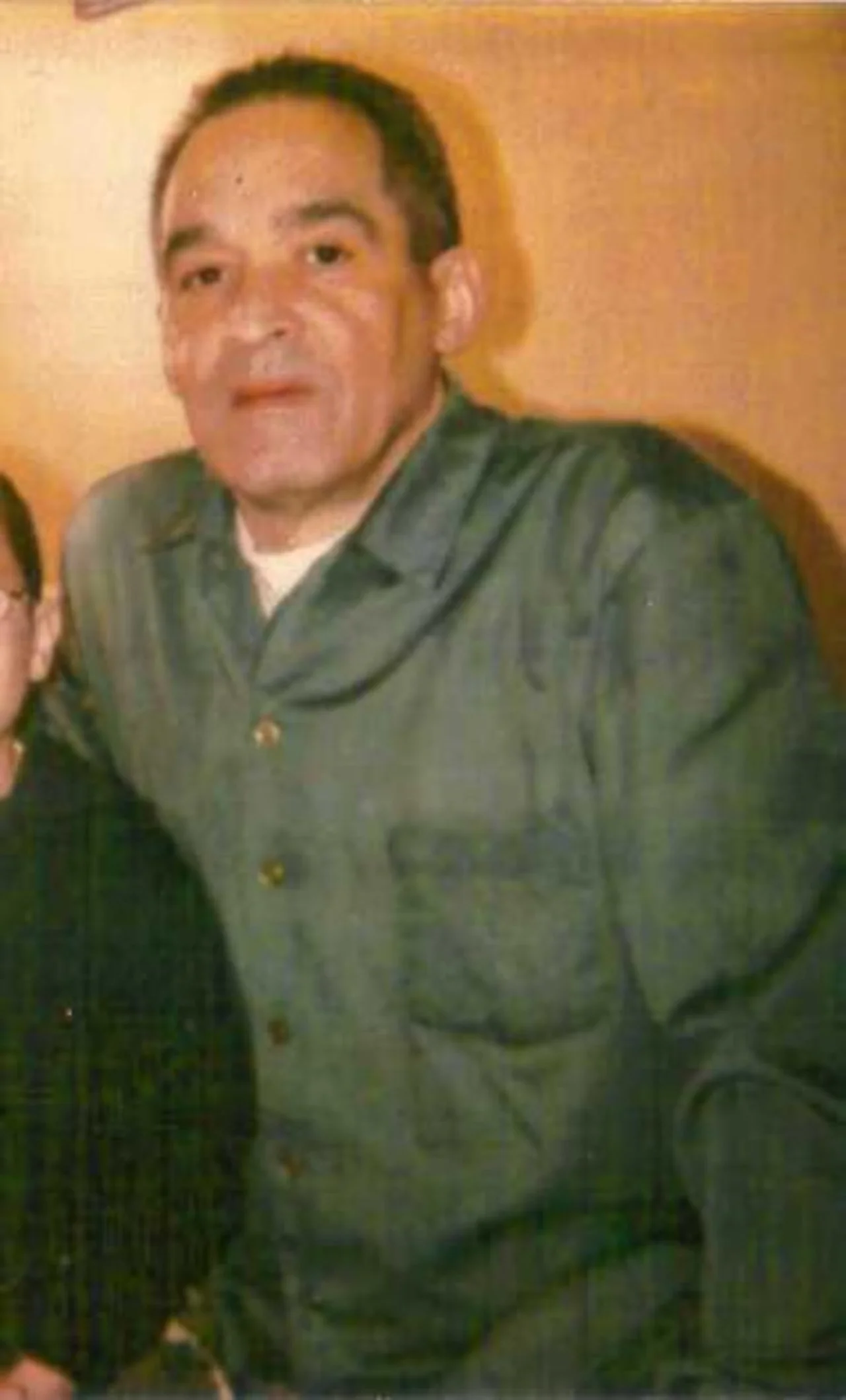
🕯️ Waiting for justice: Rivas in his later years, after spending nearly a quarter century incarcerated and just months before a court-ordered new trial he never lived to see.
Rivas died in July 2016 at age 64 from pancreatic cancer — after spending nearly a quarter century in prison.
His lawyer, Sidney Manes, died in 2025 at 98.
Manes took the case after receiving a three-page letter from a man he had never met. He spent over a decade filing FOIL requests, writing dozens of letters, and forcing agencies to turn over evidence they had resisted for years.
He once said the brain slide discovery was the first time he realized:
“Hector really, really didn’t do it.”
🧬 Who Was Erik Mitchell?
Mitchell resigned as Onondaga County’s medical examiner while under investigation for misconduct, including removing body parts and other ethical violations.
Yet he continued performing autopsies and testifying in criminal cases across multiple states, where he attracted further scrutiny.
The man whose testimony decided whether Rivas lived free or died in prison was already under investigation for professional misconduct.
💰 What the Settlement Means
The county is not apologizing.
It is managing risk.
A civil rights trial was set to begin with two weeks of testimony about:
fabricated forensic evidence,
suppressed police reports,
and the credibility of a disgraced medical examiner.
Instead, the county chose to settle.
🎯 The Truth of the Matter
This case is not about proving Hector Rivas was perfectly innocent.
It’s about this:
A man lost 24 years of his life based on forensic evidence that collapsed under scientific and judicial scrutiny — and the system waited until after his death to admit the damage was serious enough to pay for.
That is the factual record.
Everything else is narrative control.
Not for clicks — for clarity.
— Elliott Carterr, LFTG Radio
📱 TikTok: @elliott_carterr ↗
📺 YouTube: @lftgradio ↗
🌐 Website: LFTGRadio.com ↗
⚖️ The Gutter Justice Project ↗
❤️ Support the work: LFTGRadio.com/donate ↗
