🩸 The Gutter Report: The Syracuse Setup — Inside the Case (Part III)
A record-based examination of sworn statements, testimony, and the interview now on the record from Nahkeen Lewis-Bush
🧭 Purpose of This Report
This article continues The Syracuse Setup series by placing direct testimony alongside the documentary record already examined in Parts I and II.
Part III centers on a newly released LFTG Radio interview with Nahkeen Lewis-Bush, recorded from Sing Sing Correctional Facility, where he is currently serving a 40-year sentence stemming from a 2017 Syracuse case.
This report does not introduce new allegations.
It documents what was said on the record, by the person serving the sentence, and situates those statements within the existing paperwork.
🎧 Interview referenced in this report:
👉🏾 The Syracuse Setup: Inside the Case of Nahkeen Lewis-Bush
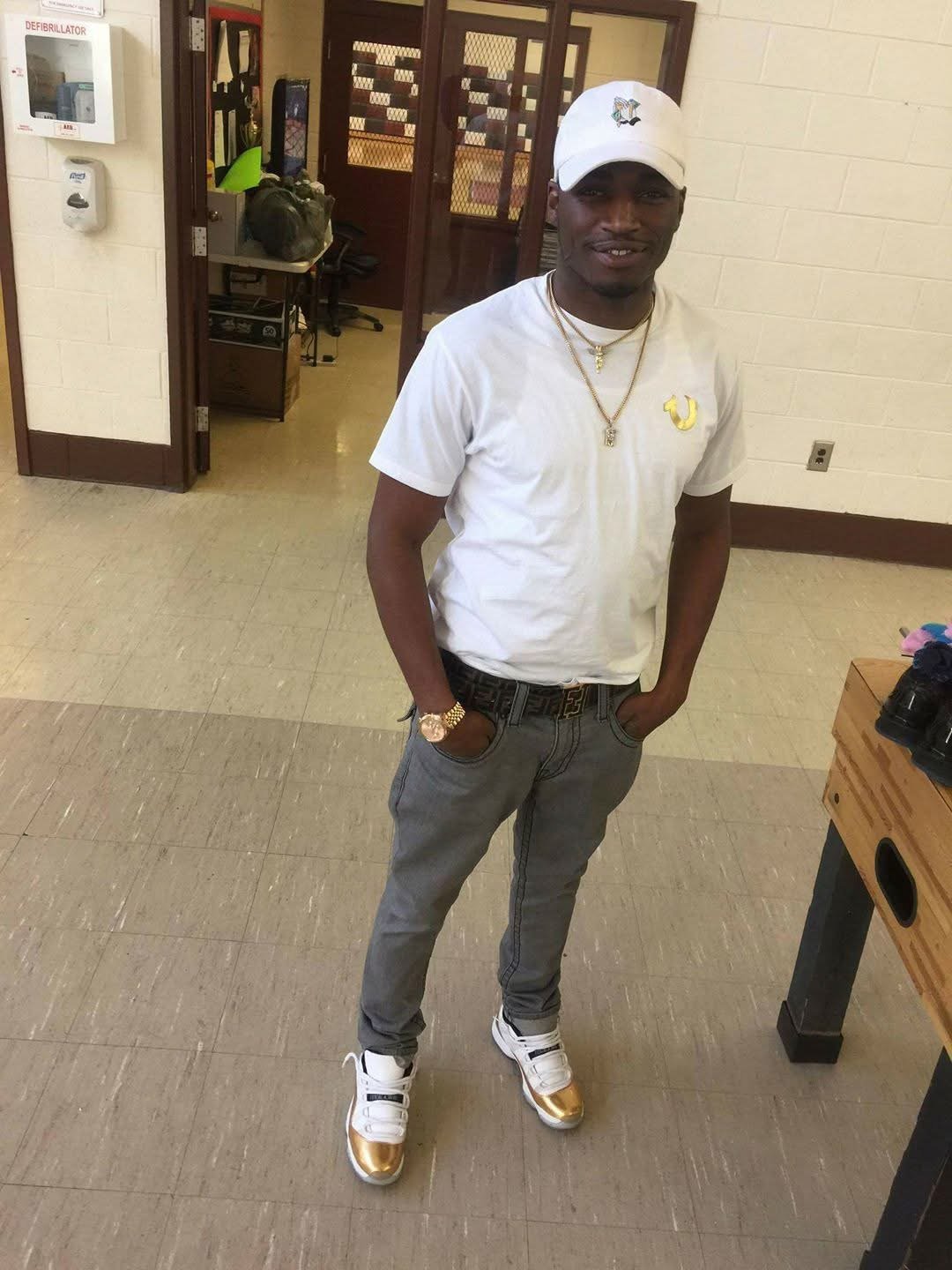
🧑🏾⚖️ Nahkeen Lewis-Bush, photographed prior to his incarceration.
📚 Where This Series Stands
Previous reporting established the foundation of the case and examined the underlying paperwork:
Part III moves from documents to voice, without abandoning the record.
🗣️ Statements Made on the Record
During the interview, Nahkeen Lewis-Bush made several assertions repeatedly and without qualification:
He never possessed a firearm
He never discharged a firearm
He never ordered anyone to commit violence
At the time of the incident on September 13, 2017, he stated he was on state parole, unemployed, and residing in a rescue mission, prohibited by parole conditions from living with family.
🌧️ The Night at the Center of the Case
According to Nahkeen, the prosecution’s theory stems from a rainy night in Syracuse, during which he accepted money to give three young men a ride.
He stated he had no personal relationship with them beyond neighborhood familiarity and that the interaction ended once the ride was complete.
He maintains that no crime occurred that night — and that this single act of transportation later became the basis for criminal liability.
⚖️ Allegation Versus Record
The state alleged that Nahkeen ordered the attempted killing of Erick Ortiz.
During the interview, Nahkeen pointed to several points he says are reflected in the record and addressed in prior reporting:
No firearm was recovered
No shot was fired
No witness statements attributed orders or direction to him
Erick Ortiz did not testify at trial
Co-defendants submitted sworn affidavits stating Nahkeen had no involvement
Nahkeen stated that he recognized a narrative forming against him at the moment of arrest — one he believes solidified before evidence was fully examined.
📄 The Grand Jury Minutes
Throughout the interview, Nahkeen identified the grand jury minutes as the most consequential document in his case.
He asserted that the minutes show:
Erick Ortiz never identified himself as a victim
No testimony established an attempted homicide
Jurors at trial were told Erick Ortiz would testify, despite knowing he would not
These claims align with issues examined in Part II: Inside the Paperwork the State Tried to Bury, which focused on discrepancies between trial presentation and the underlying record.
⏱️ Procedural Claims Raised
Nahkeen also addressed procedural issues, including alleged violations of New York’s speedy trial requirements, stating that more than nine months elapsed between indictment and trial.
He further claimed:
Full discovery was never provided
Injury reports were withheld
The prosecution changed its theory multiple times
He argues these issues point to procedural breakdown rather than proof of guilt.
💼 Plea Negotiations
During the interview, Nahkeen confirmed he was offered a plea deal that dropped from 15 years to 6 years.
He declined the offer.
As of the recording, he has now served more time than the plea offer itself, underscoring the structural pressure defendants face when weighing trial against certainty — regardless of innocence.
🏛️ Conditions and Context
At the time of the interview, Sing Sing Correctional Facility was under heightened tension following a stabbing that left another incarcerated individual in critical condition.
Nahkeen described maintaining stability through faith, prayer, and self-education, stating he has assisted other incarcerated individuals with legal research and post-conviction filings.
🧠 What Is Being Asked
Nahkeen’s request was consistent throughout the interview:
Look at the documents.
Compare the record.
Let the facts lead.
He did not ask for sympathy.
He asked for review.
🔜 What Comes Next
This series is not concluded.
Part IV of The Syracuse Setup will center on a direct, on-the-record interview with Erick Ortiz, the individual identified by the state as the alleged victim in this case.
That reporting will present Erick Ortiz’s account in his own words, without interpretation or speculation, and will place his statements alongside the existing documentary record examined in Parts I–III.
As with every installment in this series, the focus will remain consistent:
firsthand testimony
documentary comparison
clarity over narrative
Part IV will continue to follow the same standard applied throughout this reporting:
start with the evidence, then place testimony beside it.
❓ Why Part III Exists
Wrongful convictions rarely announce themselves clearly.
They surface through missed disclosures, timing violations, and narratives that harden before evidence is fully examined.
Part III exists to place spoken testimony next to documented record, without editorialization.
The question raised by this series remains unchanged:
If justice depends on process and proof, were both honored in this case?
Not for clicks — for clarity.
— Elliott Carterr, LFTG Radio
📱 TikTok: @elliott_carterr
📺 YouTube: @lftgradio
🌐 Website: LFTGRadio.com
