
⚖️ The Gutter Report: Trayvon Kisling Got 10 Years in the Feds — But Vermont’s Murder Case Is the Real Clock
A Staten Island name, a Vermont fentanyl case, and a second courtroom that could bring life-level time.
📍 Burlington, Vermont — Trayvon Kisling, a 21-year-old former Staten Island resident, was sentenced on February 2, 2026 to 120 months (10 years) in federal prison, followed by four years of supervised release, after pleading guilty to a fentanyl/cocaine-base conspiracy and a firearm charge tied to drug trafficking.
👉🏾 Source: DOJ — “Trayvon Kisling Sentenced to 120 Months for Drug and Firearm Crimes”
Federal prosecutors say the case was built on two major seizures:
Feb. 25, 2023 (Winooski apartment): packaged fentanyl + bulk fentanyl + crack and powder cocaine
Mar. 15, 2023 (Brandon traffic stop): ~450 bags of fentanyl, cocaine base, and two firearms
The government alleges the guns were carried to protect the drug supply and proceeds.
👉🏾 Source: DOJ case summary + seizure details
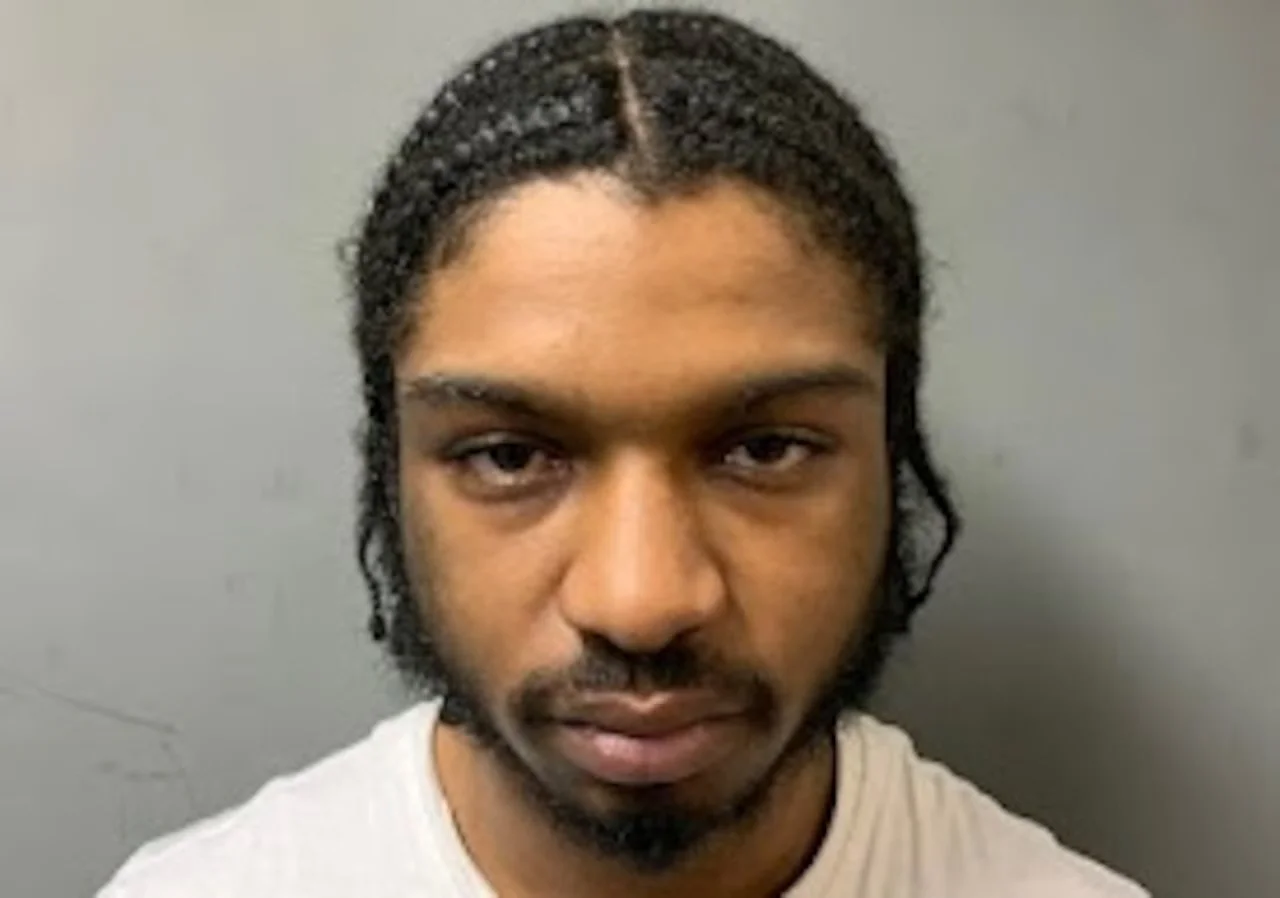
🧾 Booking photo: A Staten Island-to-Vermont case that ended in a 10-year federal sentence — with a second case still pending.
🏛️ Where he went to federal court
Kisling’s federal case ran through the U.S. District Court for the District of Vermont in Burlington — headquartered at 11 Elmwood Avenue.
👉🏾 Source: U.S. District Court (District of Vermont) — Burlington location (11 Elmwood Ave)
👉🏾 Source: U.S. Marshals — District of Vermont courthouse locations (Burlington HQ)

🏢 The Burlington federal courthouse at 11 Elmwood Avenue — headquarters of the U.S. District Court for Vermont.
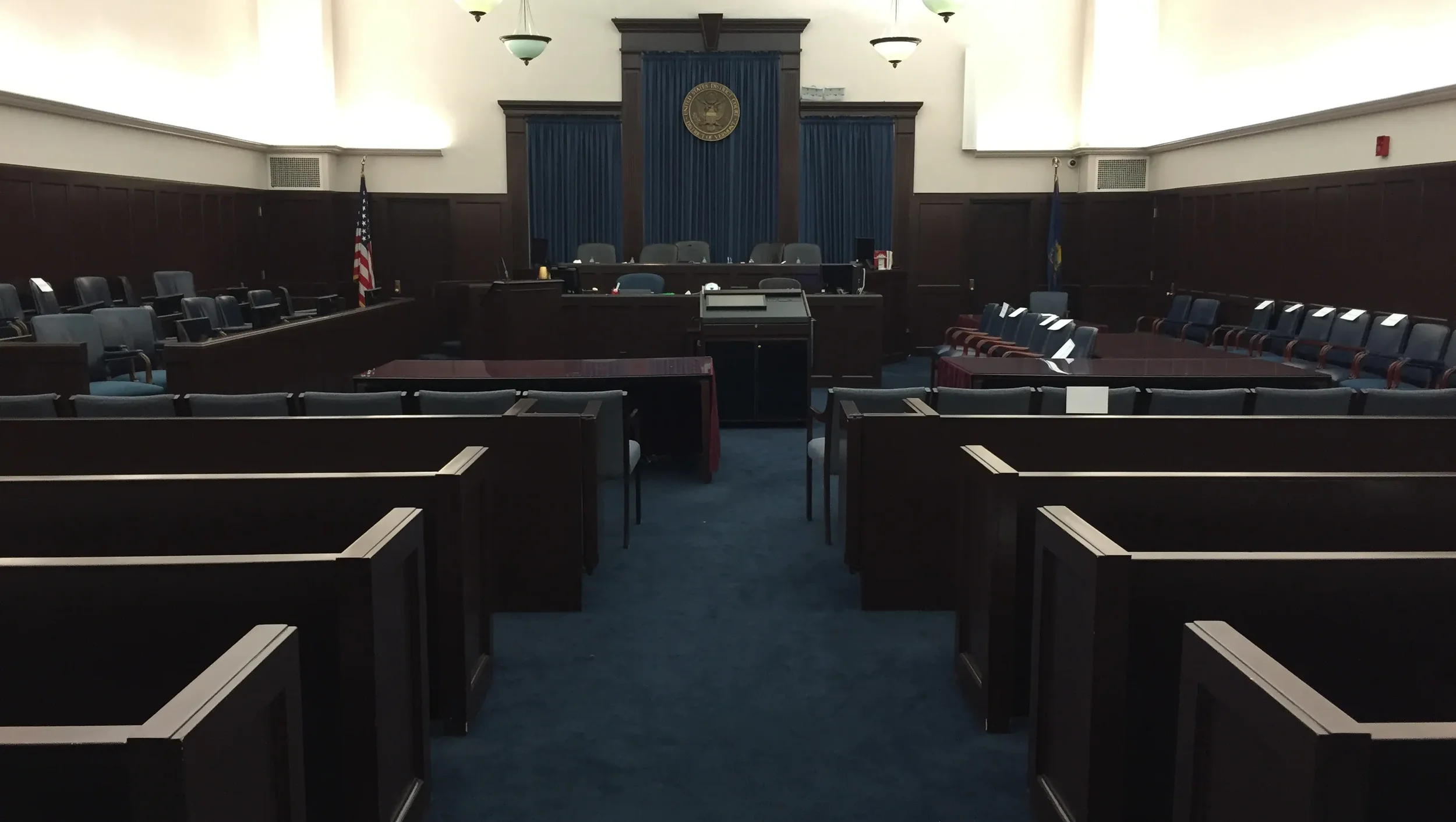
⚖️ Inside a courtroom: where federal plea deals turn into real time and sentencing becomes final.
⛓️ Why the sentence comes out to exactly 10 years
This is the part the headlines don’t explain.
In federal court, a “drug + gun” combo often lands in a rigid structure because the firearm count must run consecutive to the drug count. That’s how you get a clean, stacked number like 120 months — the case ends with a sentence that’s designed to be airtight.
And now it’s done. The federal system got its conviction.
⚠️ But the bigger legal danger is the separate Vermont murder case
Here’s what makes this story go viral in Staten Island: the federal case is not the end of Kisling’s legal exposure.
Kisling is also charged in Vermont state court in connection with the 2022 Rutland homicide of Jonathan Naranjo (26), of Brooklyn. That state case is separate from the federal drug case — different prosecutors, different court, different consequences.
👉🏾 Source: VTDigger — “Suspect arrested in Rutland City homicide case”
👉🏾 Source: WCAX — “Police arrest suspect in Rutland homicide”
👉🏾 Source: VTDigger — reporting on the alleged motive and charging-document details
That’s why people say the murder case “trumps” the fed case: if Vermont gets a conviction on homicide, the ceiling isn’t 10 years — it’s life-level time. The federal sentence doesn’t erase that. It just means he’s already doing years while the state case continues to move.
📍 Where things stand right now
Federal case: sentenced — 10 years imposed (done deal)
State murder case: pending — still a live prosecution with far heavier exposure
So yes, Kisling is now a federal inmate — but the case that could define his future may be the one that hasn’t reached a verdict yet.
🕰️ A Life Still Early — And a Warning That Echoes Beyond One Case
Trayvon Kisling is just 21 years old.
Old enough to face federal sentencing. Young enough that his entire adult life is still unfolding inside courtrooms and prison systems instead of classrooms, careers, or communities.
At that age, most people are still figuring out who they are. Still building something. Still chasing purpose.
But when decisions are made chasing an image — chasing toughness, chasing reputation, chasing a version of respect rooted in fear instead of fulfillment — the consequences don’t arrive in theory. They arrive in real time. In real courtrooms. In real sentences measured in years.
The reality is simple and brutal: prison doesn’t care how young you are. The federal system doesn’t pause because someone had potential. Time moves forward regardless.
This isn’t just one story. It’s a reflection of a cycle too many young men get pulled into — trading their future for a moment, a name, or a perception.
The real power was never in being feared.
It was always in building something real.
In chasing your passion. In mastering your craft. In becoming undeniable through creation instead of destruction.
Because the same focus it takes to survive the streets is the same focus it takes to build something that lasts — a business, a skill, a legacy.
And at 21 years old, the difference between those two paths can define everything that comes next.
Not for clicks — for clarity.
— Elliott Carterr, LFTG Radio
📱 TikTok: @elliott_carterr ↗
📺 YouTube: @lftgradio ↗
🌐 Website: LFTGRadio.com ↗
⚖️ The Gutter Justice Project ↗
❤️ Support the work: LFTGRadio.com/donate ↗
