
🧾 The Gutter Report: When Stimulus Checks Reached the Inside — And Turned Into Legal Ammo
The federal lawsuit that forced eligibility — and how some incarcerated people used that relief money to fund post-conviction investigations.
🧠 What This Story Is — And What It Isn’t
This is not a feel-good story about free money.
This is not a political commercial.
This is about a legal turning point that changed what was possible for people behind the wall.
For years, incarcerated people have been locked out of the same resources that free-world defendants can use to challenge convictions: private investigators, transcripts, expert reviews, record retrieval, and witness location.
Then COVID hit.
Congress passed relief.
And the question became: do incarcerated people qualify?
That answer did not come from rumor — it came from federal court.
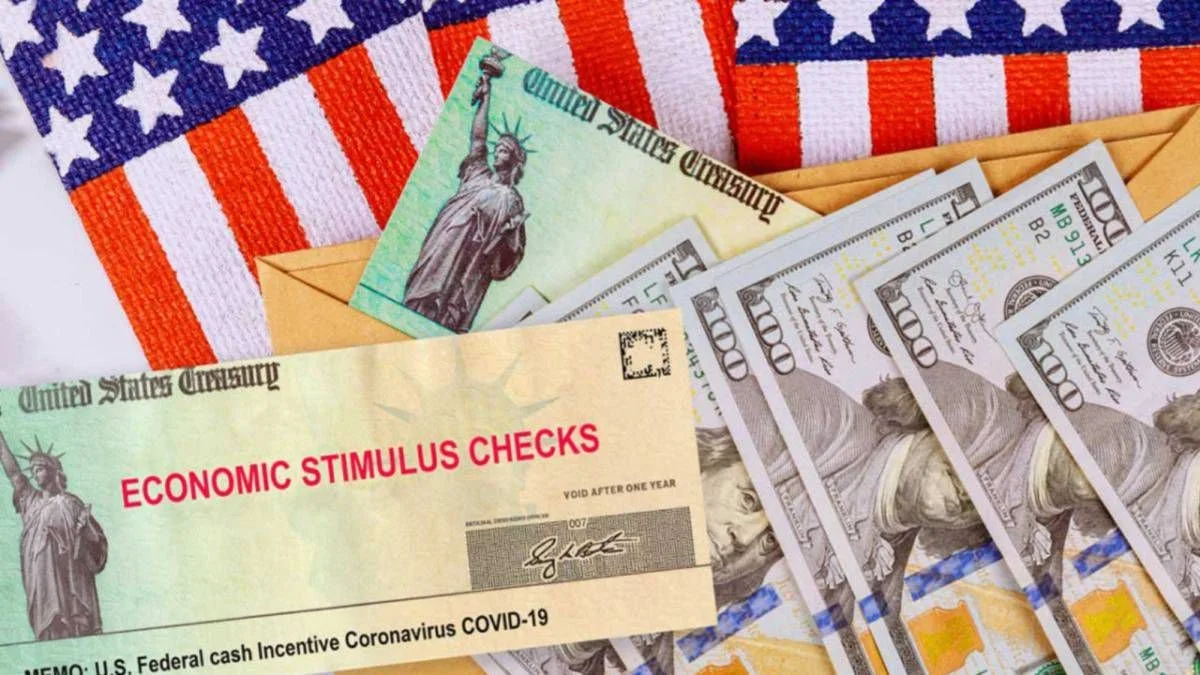
💵 Economic Impact Payments — relief money that became legal resources for some inside.
⚖️ The Litigation That Made This Possible:
Scholl v. Mnuchin
The legal door that made this moment possible came from a federal class-action lawsuit called Scholl v. Mnuchin.
In 2020, the U.S. Treasury Department and IRS moved to treat incarcerated people as ineligible for stimulus checks and, in some cases, attempted to stop payments or pull back money that had already been issued.
That policy was challenged in federal court.
In Scholl v. Mnuchin, plaintiffs argued the government had no legal authority to deny Economic Impact Payments solely because someone was incarcerated. The court agreed — and the result was simple but massive:
incarceration alone could not be used as a blanket disqualifier for stimulus eligibility.
That is the legal reason this became possible nationwide.
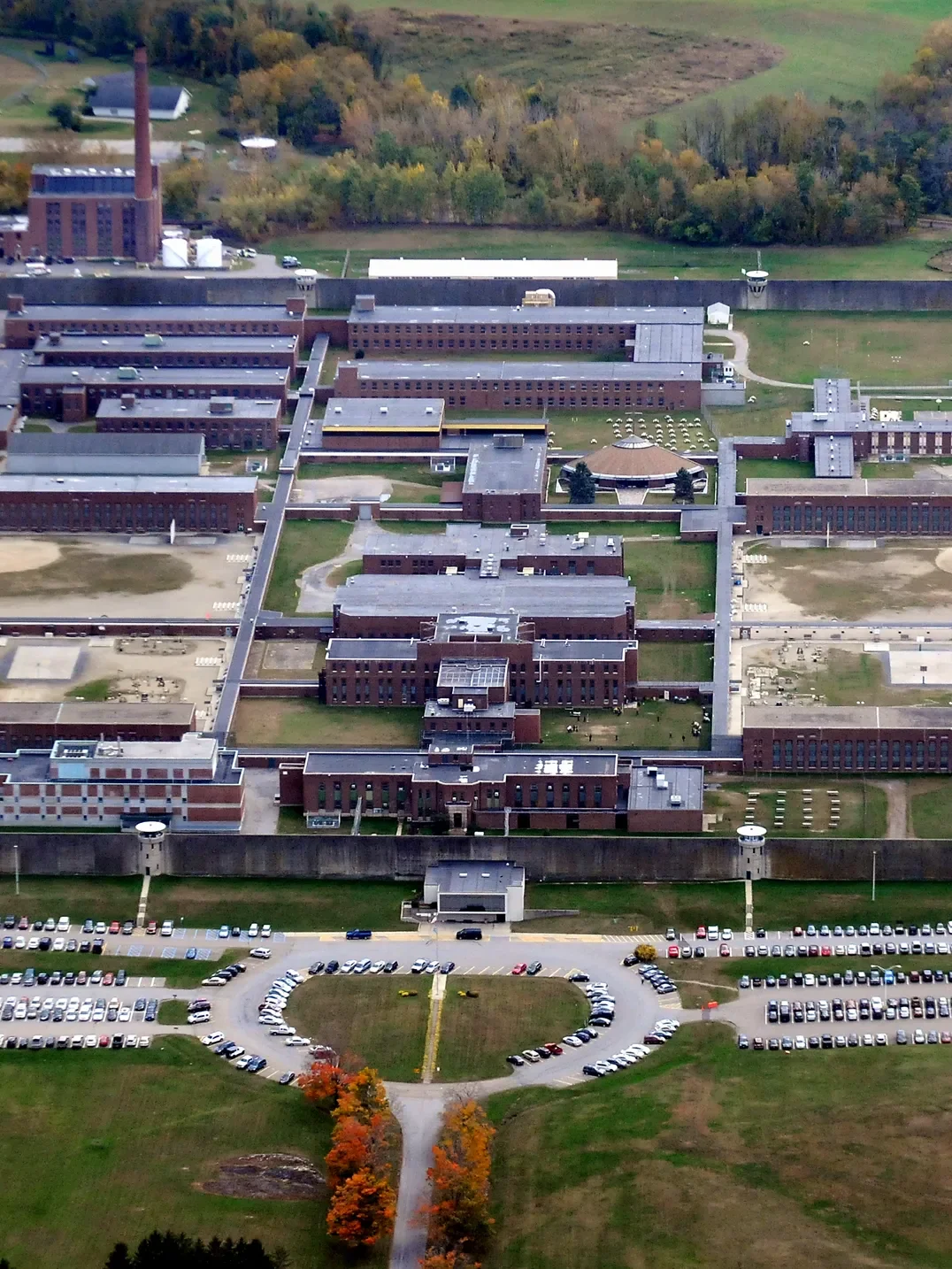
🏢 Behind the walls — where a federal court ruling quietly shifted access and opportunity.
🏛️ What Changed After the Ruling
Once the litigation forced the issue, the practical effect was that eligible incarcerated individuals could receive Economic Impact Payments like anyone else, based on the rules Congress set (income, dependency status, etc.).
That doesn’t mean everybody got paid.
It means the government could not auto-deny people just for being inside.
And for a segment of incarcerated people with active post-conviction claims, that money didn’t represent comfort.
It represented capacity.
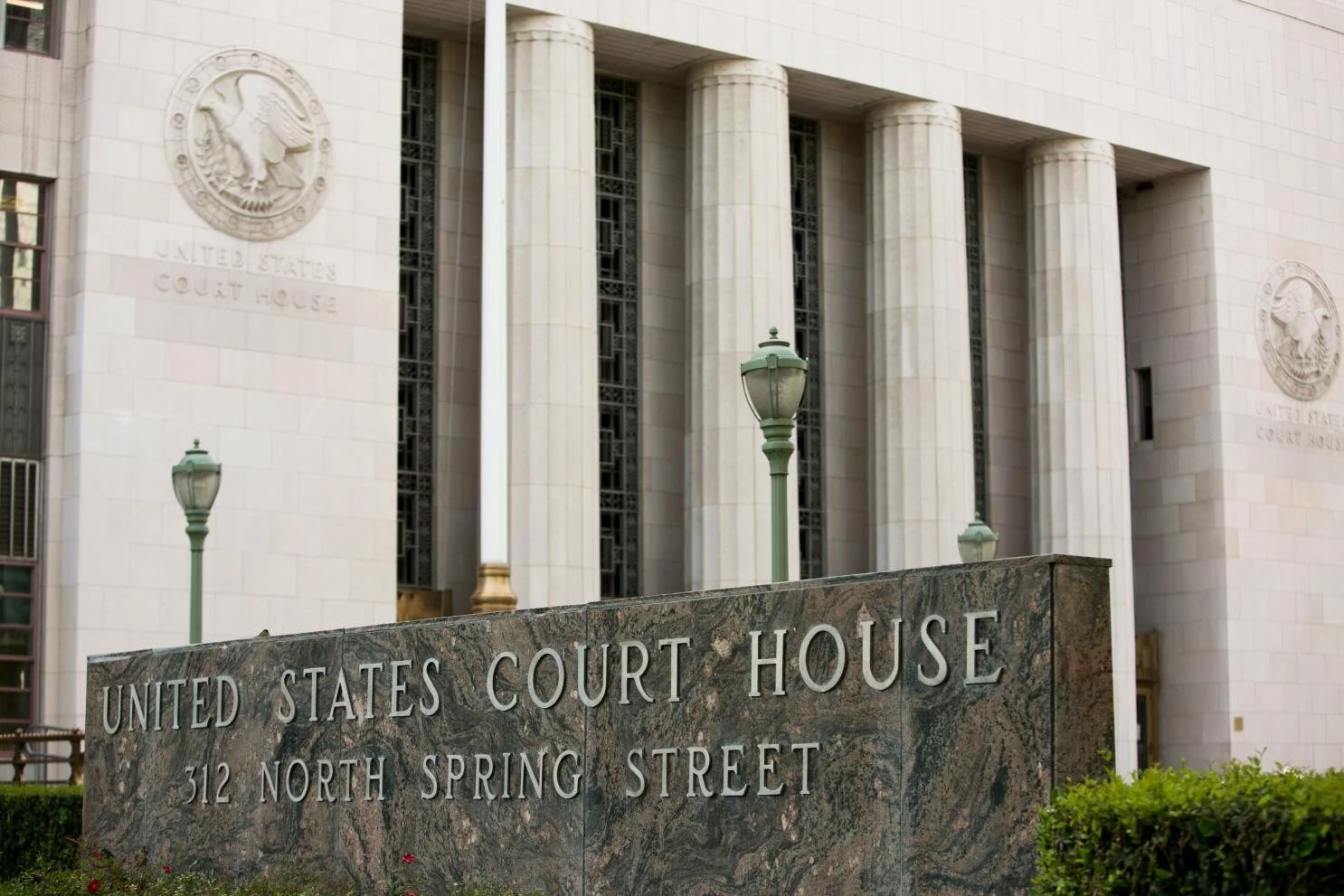
🏛️ The courthouse door — where relief money turns into motions and hearings.
🔍 What Some People Used the Money For
In post-conviction reality, money matters.
Because truth costs.
In documented cases connected to active litigation, relief funds were used to:
• hire private investigators
• locate witnesses
• obtain transcripts and records
• support post-conviction motions based on newly discovered evidence
• push claims that evidence was suppressed or mishandled
And in some instances, those efforts led to concrete court movement — not internet talk.
Hearing requests.
Concessions.
Rulings.
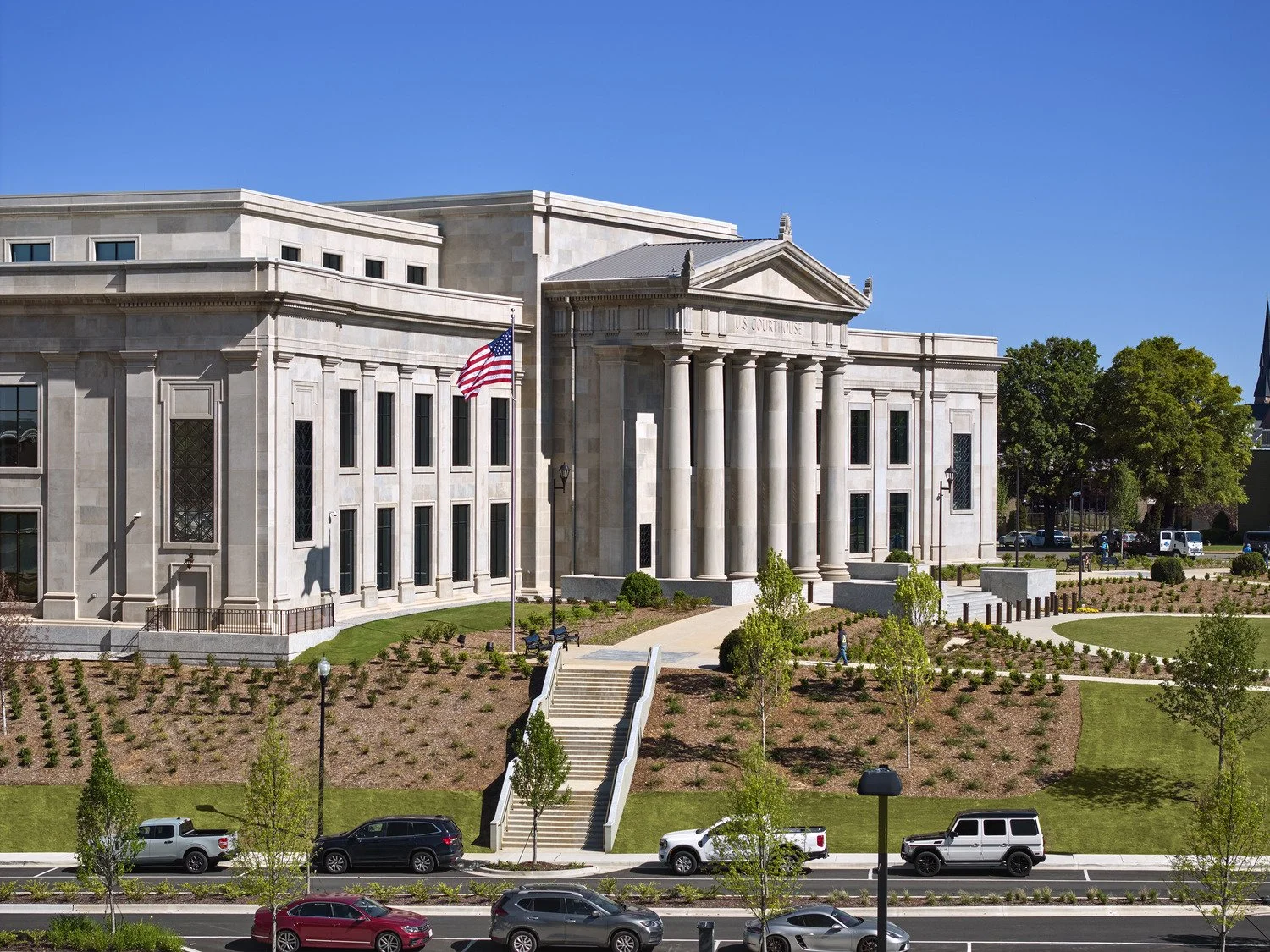
🏛️ Federal court buildings — where eligibility got decided and litigation forced compliance.
🧩 The Part That People Keep Missing
This isn’t about “handouts.”
It’s about what happens when the system accidentally gives people inside one tool it usually denies them: funding.
For one incarcerated New Yorker whose post-conviction litigation is currently moving, he has stated directly that he personally acknowledges both administrations involved in the timeline — because those payments gave him the ability to pay for investigation work.
Two payments were authorized/issued during the Trump administration.
One followed under the Biden administration.
That statement isn’t ideology.
It’s the practical reality of the timeline — and the impact.
The same government that spent money to prosecute and incarcerate also, through court-ordered compliance with federal relief law, created a pathway to challenge what happened in that prosecution.
That’s the irony.
That’s also the story.
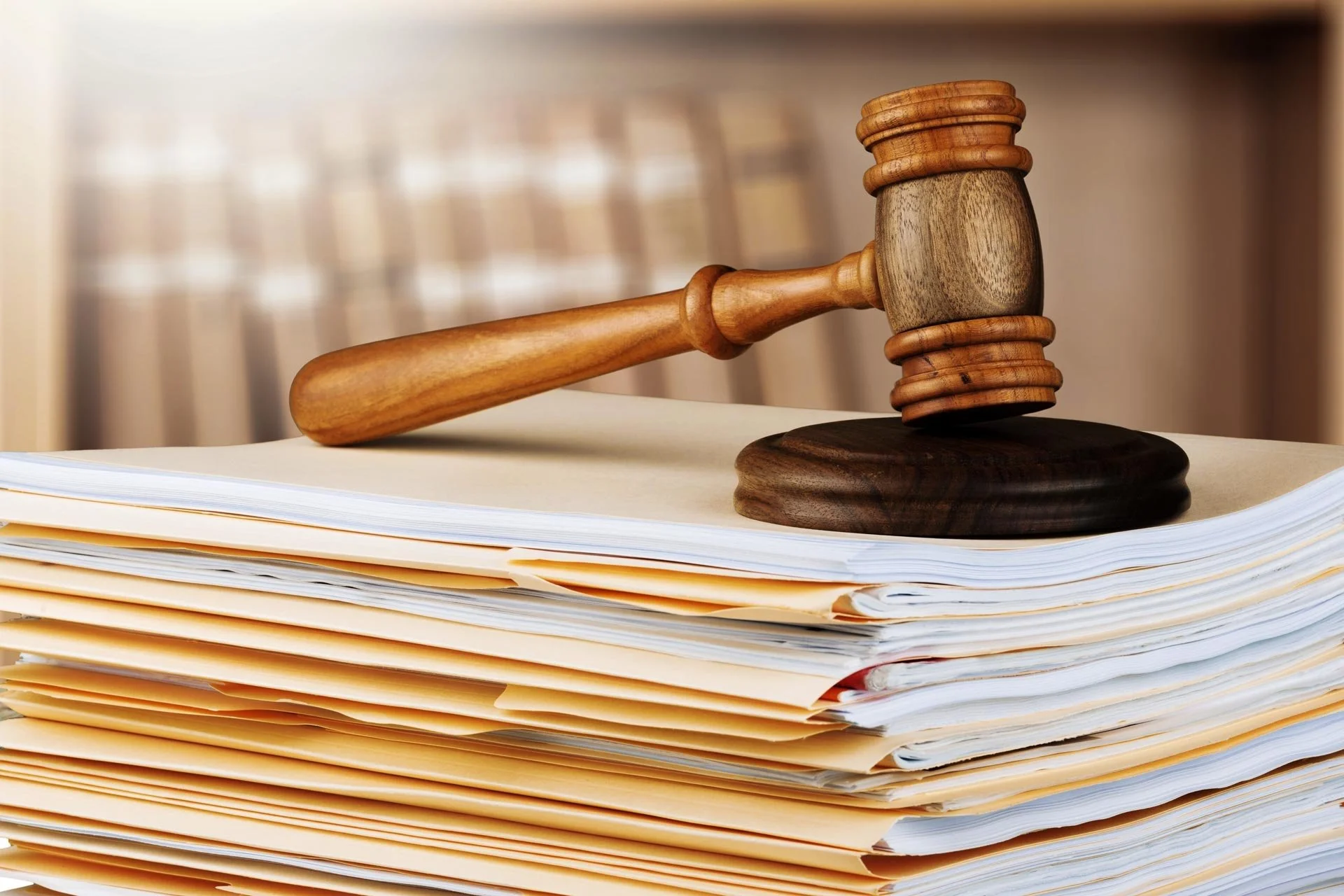
⚖️ Paperwork and rulings — where freedom is argued line by line.
🧱 What “The Courts Are Deciding It Now” Actually Means
To be direct:
This isn’t “maybe someday.”
In some cases, the evidence and witness work funded through those payments is already inside court records, and judges are actively evaluating it through hearings, motion practice, and written decisions.
So the impact is not theoretical.
It is procedural.
It is active.
And it is being decided by the courts.
📌 Bottom Line
This story isn’t just about stimulus checks.
It’s about:
eligibility being forced by federal litigation
access being briefly widened
and what people did when the system gave them one small window to fight for the truth
For some, that window turned into a motion.
For others, a hearing.
And for everybody paying attention, a real question:
What would change in this country if post-conviction justice wasn’t reserved for people who can afford it?
Not for clicks — for clarity.
— Elliott Carterr, LFTG Radio
📱 TikTok: @elliott_carterr
📺 YouTube: @lftgradio
🌐 Website: LFTGRadio.com
