
⚖️ The Gutter Report: From Conviction to Context — The Case of Dupree “Turf” Harris
A records-based examination of a non-violent conviction, a life-maximum sentence, and the narrative that followed — ahead of a direct interview.
🧭 What This Report Is — and What It Is Not
Brooklyn, New York — This Gutter Report is not a claim of innocence.
It does not challenge a jury verdict.
It does not excuse wrongdoing.
This report examines proportionality, accuracy, and parole fairness in the case of Dupree “Turf” Harris, who is currently serving a 15-years-to-life sentence in New York State prison for bribing witnesses, a non-violent felony under New York law.
Before any interview takes place, the record itself must be clearly established — without myth, exaggeration, or narrative drift.
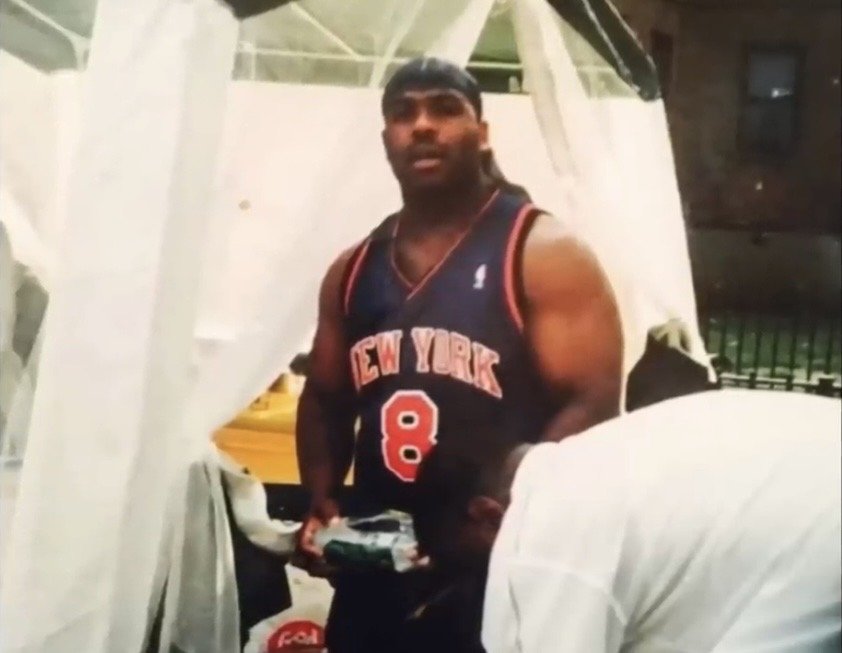
🏀 “Turf Diamond” — before the indictment, before the headlines, before the sentence.
📜 The Conviction — What the Record Shows
Court records establish the following undisputed facts:
Harris was charged with:
Three counts of bribing a witness
Three counts of witness tampering
A jury acquitted him of all witness-tampering charges
He was convicted solely of bribing witnesses
Under New York law, bribing a witness is classified as a non-violent offense
Harris has never been convicted of murder
He has never been convicted of ordering or committing a killing
These facts are affirmed by trial courts and upheld on appeal.
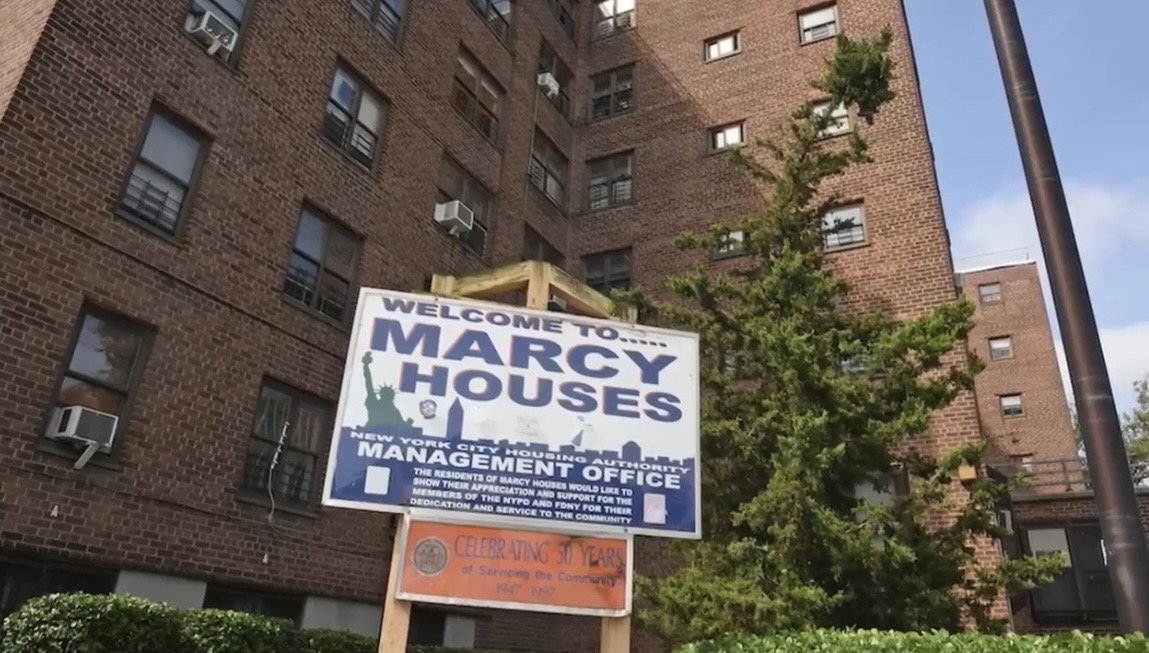
🏢 Marcy Houses, Brooklyn — the backdrop often mentioned, never charged.
🧩 Why Murder Appears in This Case — Without a Murder Conviction
The bribery charges arose from a separate homicide case involving Harris’s half-brother, who was later convicted of murder.
During that prosecution:
Several witnesses initially recanted earlier statements
Those same witnesses later re-cooperated with prosecutors
A separate witness — not Harris — was murdered before testifying.
Another individual was charged, prosecuted, and convicted for that killing.
At Harris’s trial, courts allowed evidence of the witness’s murder only to explain witness behavior, not to establish Harris’s guilt. Judges issued repeated limiting instructions, explicitly telling jurors that Harris was not charged with that murder and could not be punished for it.
In 2015, New York’s highest court affirmed that ruling, confirming the evidence was admitted for context only.
That distinction is legally critical — and frequently misunderstood.
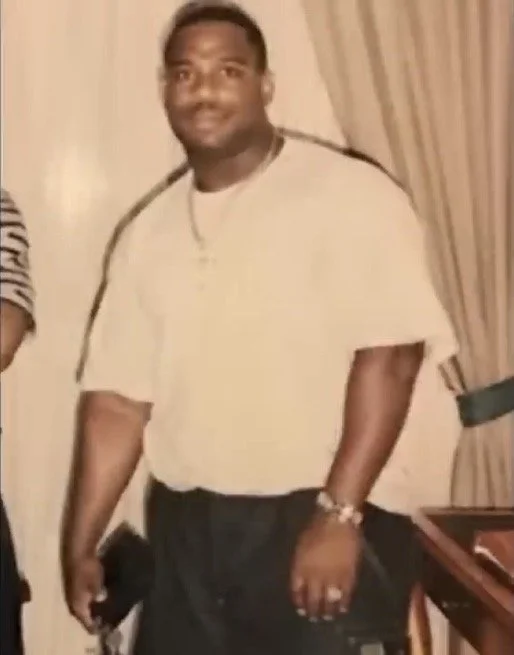
📷 A man frozen in time — while the case around him kept growing.
⚖️ The Sentence — Where the Disparity Begins
Despite being convicted only of a non-violent Class D felony, Harris received a sentence of:
15 years to LIFE
For comparison:
Individuals convicted of similar offenses typically receive probation or low single-digit prison terms
Even repeat felony offenders rarely receive double-digit minimum sentences
Life-maximum sentences for non-violent Class D felonies are extreme outliers
As of today, Harris has served more than 18 years — far exceeding what most individuals convicted of the same offense ever face.
This is not a moral argument.
It is a proportional one.
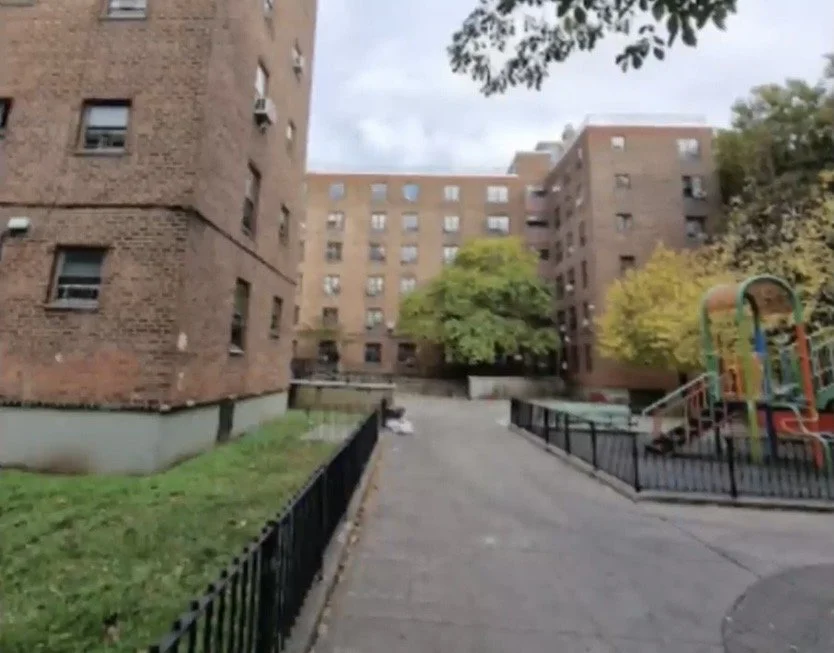
🚪 The place everyone points to — but no jury ever voted on.
🗂️ Record Accuracy and Its Long-Term Impact
At sentencing, defense counsel formally objected to official records mischaracterizing Harris’s conviction as violent witness tampering rather than non-violent bribery.
That distinction matters.
Misclassification of a conviction as violent can affect:
Sentencing posture
Institutional classification
Risk assessments
Parole determinations
Errors on paper can follow a person for decades — especially when parole boards rely on summaries rather than full trial records.
🚪 Parole Eligibility — and Continued Incarceration
Harris has been parole-eligible since December 2017.
Nearly eight years later, he remains incarcerated.
Under New York law, parole boards are required to consider:
Time served
Institutional behavior
Rehabilitation and programming
Release readiness
Public-safety risk as it exists today
When parole decisions rely primarily on the original narrative of a case, rather than the conviction itself and documented growth, questions arise about whether parole is functioning as a release mechanism — or as an extension of punishment.
🧠 Why This Case Matters Beyond One Person
This case highlights a broader systemic issue:
How non-violent convictions can carry life-altering consequences
How uncharged or acquitted conduct can continue to shape punishment
How parole decisions can quietly become sentence extensions
This report does not argue against accountability.
It asks whether punishment remains accurate, proportional, and justified over time.
⚖️ Review Status
This case is being examined by The Gutter Justice Project, in collaboration with LFTG Case Review.
The focus of this review is limited to:
Record accuracy
Sentencing proportionality
Parole fairness
No claims of innocence are being advanced.
No outcomes are being promised.
🔜 What Comes Next
This report is Part One of an ongoing series.
Part Two will feature a direct interview with Dupree “Turf” Harris, allowing him to speak for himself — not to relitigate guilt, but to address:
His understanding of his sentence
His parole experience
Accountability, rehabilitation, and time served
What justice means after decades inside
Before any voice is amplified, the record must be clear.
This report exists to make sure it is.
Not for clicks — for clarity.
— Elliott Carterr, LFTG Radio
📱 TikTok: @elliott_carterr
📺 YouTube: @lftgradio
🌐 Website: LFTGRadio.com
