
🧾 The Gutter Report: Nick Shirley Checked the Doors — Minnesota Checked the Boxes
How $18 Billion in Public Funds Moved While Oversight Looked the Other Way
🔥 What Sparked This
Minneapolis–Saint Paul, Minnesota — In late December, independent journalist Nick Shirley did something deceptively simple — and devastatingly effective.
He went outside.
Shirley released a long-form investigative video documenting Minnesota childcare facilities that, on paper, were receiving millions in public funds, yet appeared inactive, inaccessible, or inconsistent with the services they were licensed and paid to provide.
No anonymous sources.
No leaked memos.
Just addresses, signage, doors, and real-world observation.
Within days, the reporting jumped from YouTube to national outlets and forced public responses from state and federal officials who could no longer pretend the issue was hypothetical.
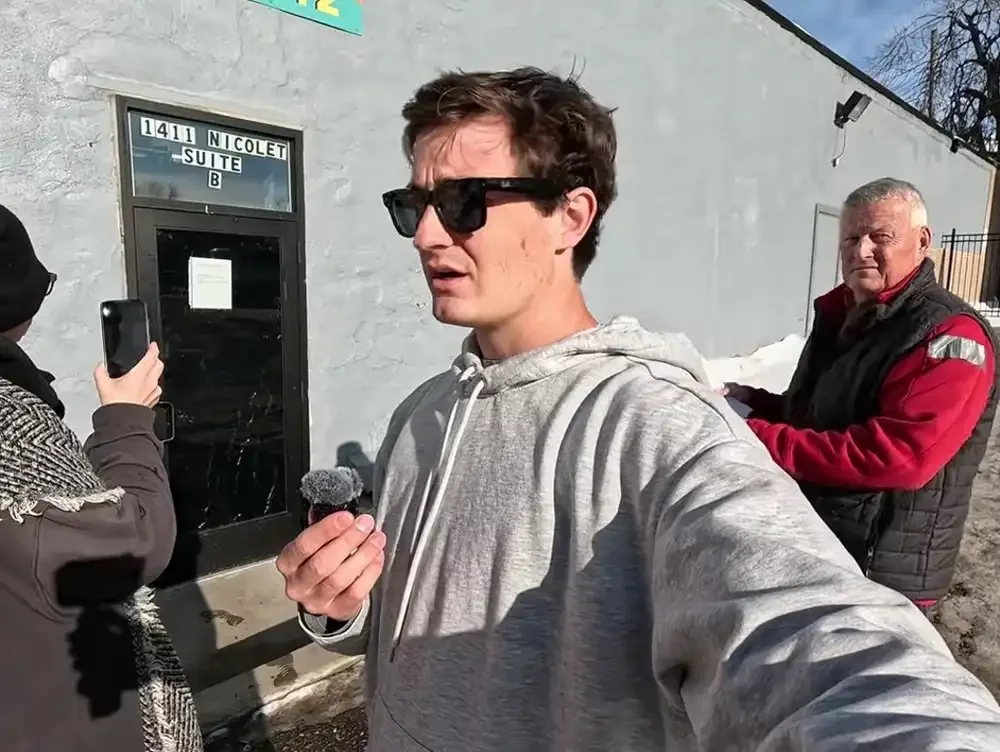
🎥 Independent journalist Nick Shirley documenting discrepancies between public records and real-world conditions.
💰 The $18 Billion Question — What That Number Actually Means
Here’s where clarity matters.
Federal prosecutors have stated in court and public proceedings that approximately $18 billion was billed through at least 14 Minnesota social-service and Medicaid-adjacent programs since 2018. Those programs include childcare assistance, autism services, housing stabilization, non-emergency medical transport, adult day care, and peer support services.
That does not mean $18 billion has been proven stolen.
What it means:
$18B reflects the total volume of money paid out through programs now deemed high-risk
Prosecutors believe a significant portion — possibly half or more — may be fraudulent, based on patterns uncovered so far
The final loss figure is still being determined, case by case
This shifts the story from “a few suspicious daycares” to a systemic failure in how public money was safeguarded.

🏫 A licensed daycare location listed as receiving millions in public funds — photographed during on-site verification.
🧠 How This Happened in the First Place
This didn’t happen because fraud is new. It happened because oversight was weak by design.
Across multiple programs, the same vulnerabilities existed:
Providers could register quickly with minimal vetting
Payments relied heavily on self-reported paperwork
In-person inspections were rare, delayed, or predictable
Explosive billing increases were not flagged in real time
Federal prosecutors have described this phenomenon as “fraud tourism” — individuals and entities targeting Minnesota specifically because the programs were known to be lucrative and lightly enforced.
This mirrors what happened during the pandemic with the Feeding Our Future scandal, where hundreds of millions were stolen before authorities could stop the flow. Audits later confirmed the same root cause: paper compliance replaced real verification.
Nick Shirley’s reporting raised a disturbing question: were those lessons ever actually learned?
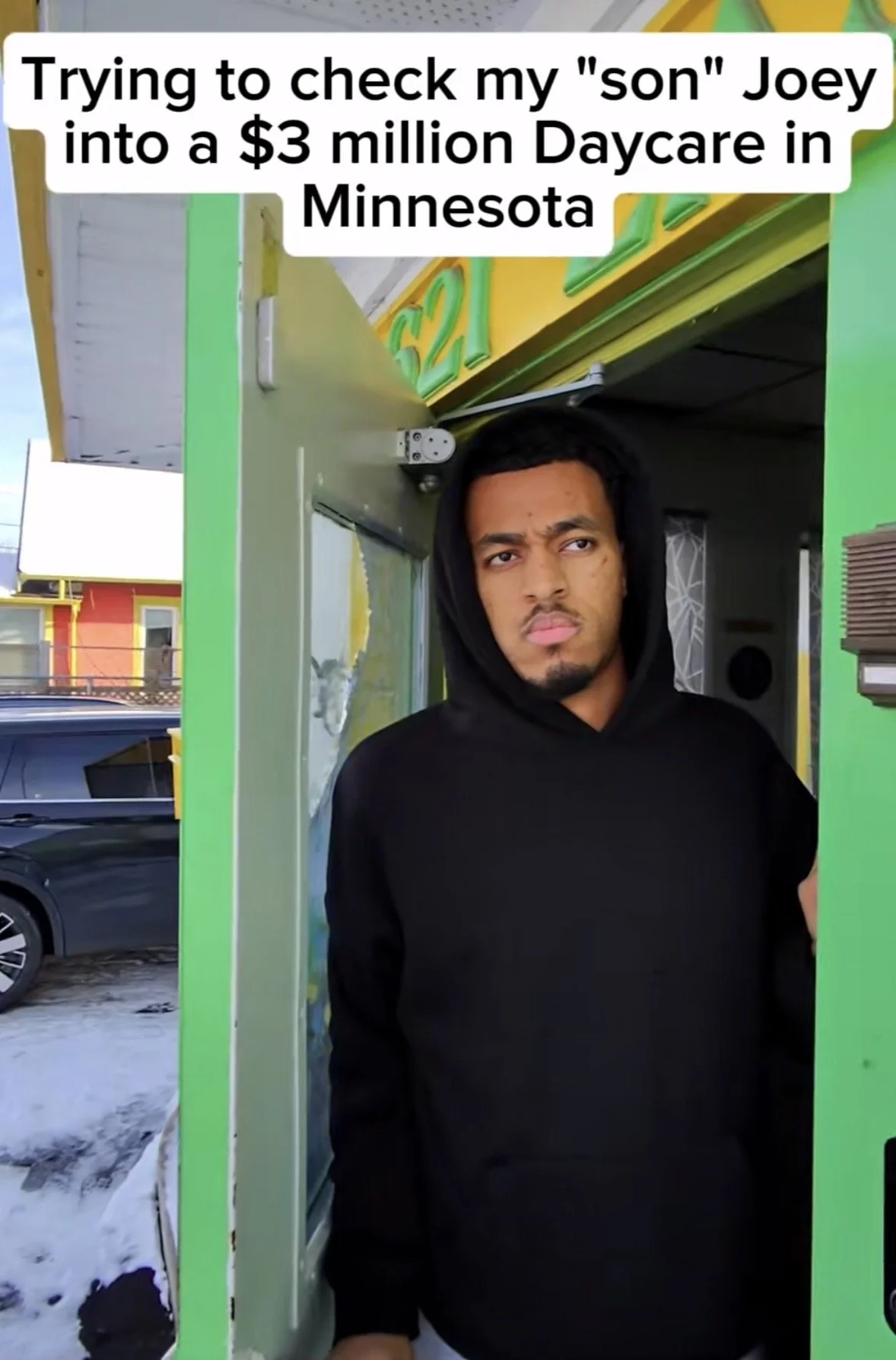
🚪 Another funded facility — operating on paper, but raising questions on the ground.
🏛️ Federal Escalation: DHS Steps In
The story escalated decisively when Kristi Noem, Secretary of the Department of Homeland Security, publicly announced that DHS had launched a “massive investigation into childcare and other rampant fraud in Minnesota.”
That language matters.
DHS does not describe investigations as massive casually. The announcement confirmed that this was no longer a localized compliance issue — it had become a federal enforcement priority, involving:
field investigations
financial tracing
coordination with the Federal Bureau of Investigation
and a broader review of how federal funds were administered and monitored
When Homeland Security steps in at this level, it signals concern not just about stolen money — but about systemic vulnerability in federally funded programs.
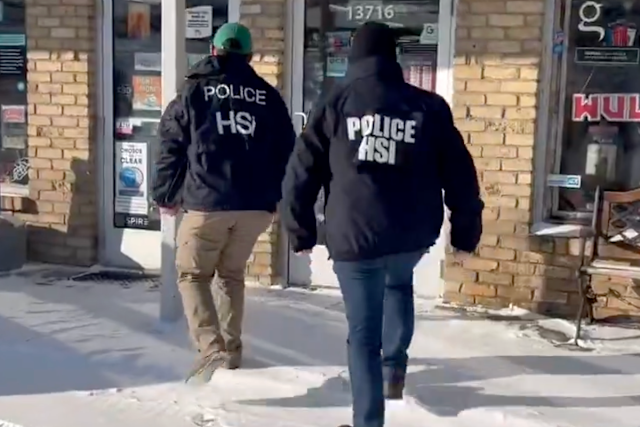
🚔 Federal investigators expanding on-the-ground enforcement activity.
⚖️ Accountability Without Scapegoating
Fraud is committed by specific people and entities, not entire communities.
Many Minnesota residents — including Somali Americans — rely on and work within these same programs. They are harmed when fraud drains resources and invites political backlash.
To his credit, Nick Shirley’s reporting stayed focused on locations, licenses, and money flows, not identity. That discipline preserved credibility while others attempted to turn oversight failure into cultural warfare.
💸 Recovery: What’s Realistic (and What Isn’t)
Here’s the uncomfortable truth reflected in court records:
Full recovery is unrealistic.
In prior cases, including Feeding Our Future, only a fraction of stolen funds were recovered.
Large fraud schemes move fast — money is spent, layered, or moved overseas long before enforcement begins.
Recovery typically comes through:
asset seizures after convictions
restitution orders
civil actions against enabling entities
The real objective is deterrence, accountability, and preventing repeat failure — not pretending every dollar can be reclaimed.
🛠️ Preventing This From Happening Again
If Minnesota is serious about reform, the fixes are not mysterious:
Unannounced, in-person inspections before major payouts
Cross-agency data matching to flag abnormal billing immediately
Staggered payments instead of lump-sum disbursements
Public transparency dashboards showing who gets paid and why
Real whistleblower protections that trigger early intervention
Fraud must be treated as expected risk, not a rare anomaly.
🏆 Credit Where It’s Due
Let’s say this plainly:
Nick Shirley delivered some of the most impactful journalism of the year.
Not because he had institutional backing — but because he did what journalism is supposed to do:
go look, ask questions, and force accountability through visibility.
This story reached the national stage for one simple reason:
He checked the doors.

🏛️ Federal leadership acknowledging the scale of the investigation.
🧭 Why This Matters
If this level of alleged mishandling happened in the hood, enforcement wouldn’t begin with press conferences — it would begin with handcuffs.
That double standard is why institutional accountability matters just as much as street-level crime. Public money disappearing at scale isn’t victimless. It reshapes trust, policy, and who ultimately gets blamed.
This story isn’t finished.
But now — it can’t be ignored.
Not for clicks — for clarity.
— Elliott Carterr, LFTG Radio
📱 TikTok: @elliott_carterr
📺 YouTube: @lftgradio
