
📰 The Gutter Report: Panthers in the Streets — Community Defense and Anti-ICE Resistance in Philadelphia
How a modern Black Panther formation is pairing patrols, protest, and mutual aid in the city of brotherly love
🛑 A Visible Response to Federal Power
Philadelphia, Pennsylvania — In recent weeks, a group identifying as the Black Panther Party for Self-Defense has taken to the streets of Philadelphia, patrolling neighborhoods and standing alongside residents amid growing fear surrounding federal immigration enforcement.
Their presence has been deliberate and highly visible — disciplined formations, clear messaging, and, at times, openly carried firearms. The group says the goal is not provocation, but deterrence: a message that communities affected by ICE activity will not be isolated or unprotected.
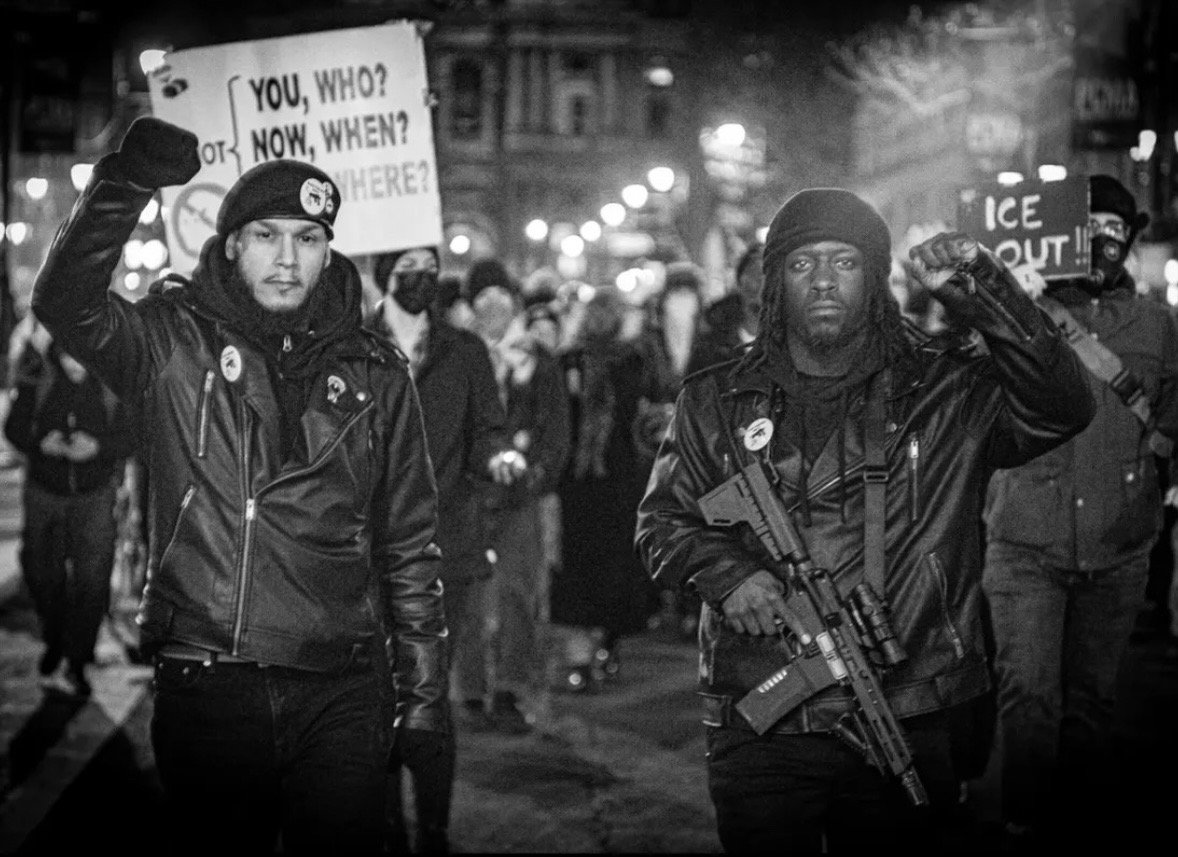
✊🏾 Armed Panthers march with protesters during an anti-ICE demonstration in Philadelphia.
The mobilization follows national outrage tied to ICE enforcement actions and reflects a broader distrust of federal agencies operating in marginalized neighborhoods.
🖤 Community Defense in Practice
Beyond protest, the Panthers frame their work as community defense — not symbolic resistance.
Members have been seen patrolling residential blocks, speaking directly with residents, and positioning themselves as a visible presence in areas where people report heightened ICE activity.
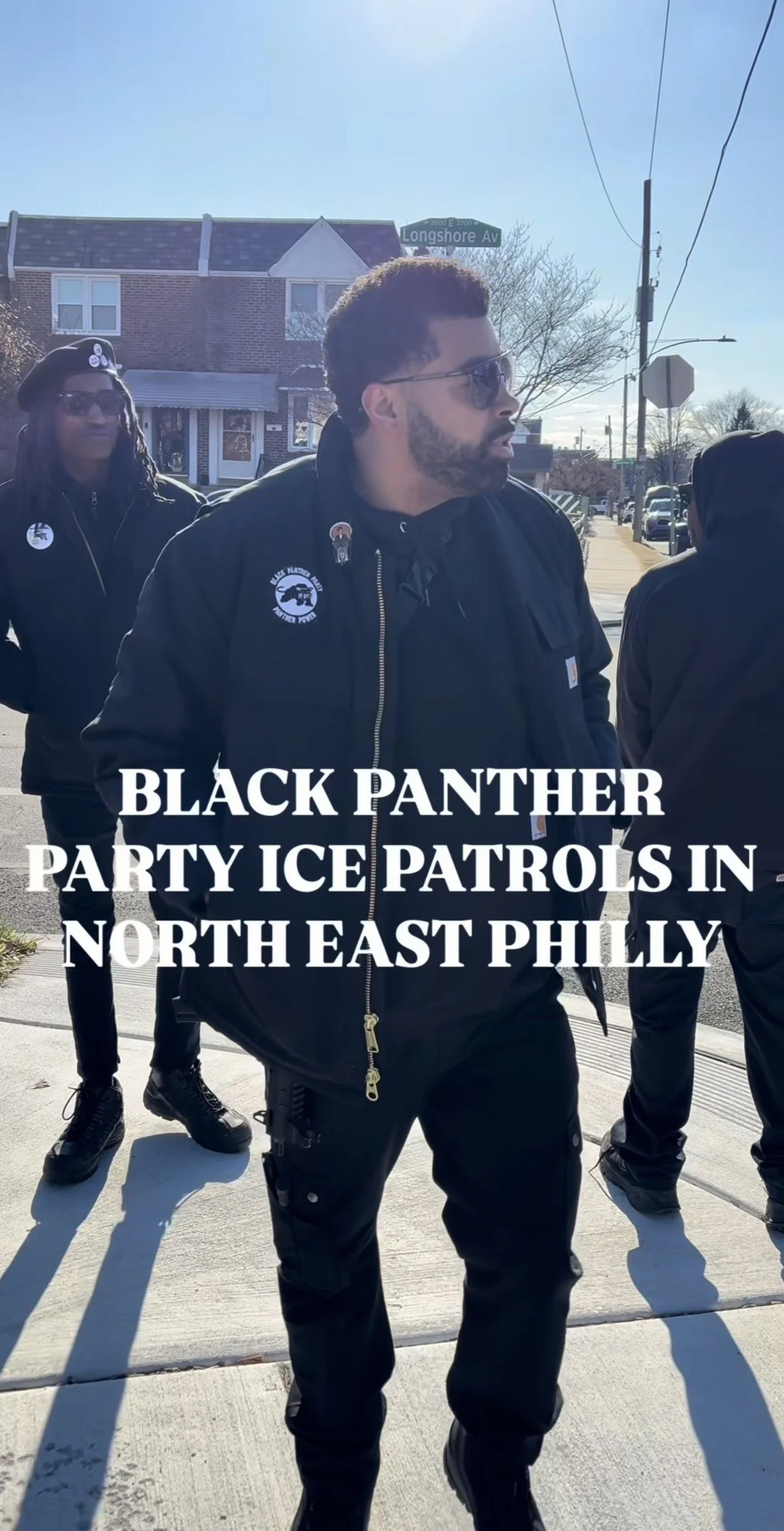
🛡️ Black Panther Party members conduct daytime patrols in Northeast Philadelphia.
The patrols are paired with mutual-aid efforts, including food distribution and winter supply drives, reinforcing the group’s claim that protection and service go hand in hand.
📚 Rooted in a Familiar Strategy
This model echoes the original Black Panther Party’s belief that when the state fails to protect its people, communities must organize to protect themselves.
That philosophy — often referred to as “survival pending revolution” — emphasized meeting immediate needs while resisting state violence.
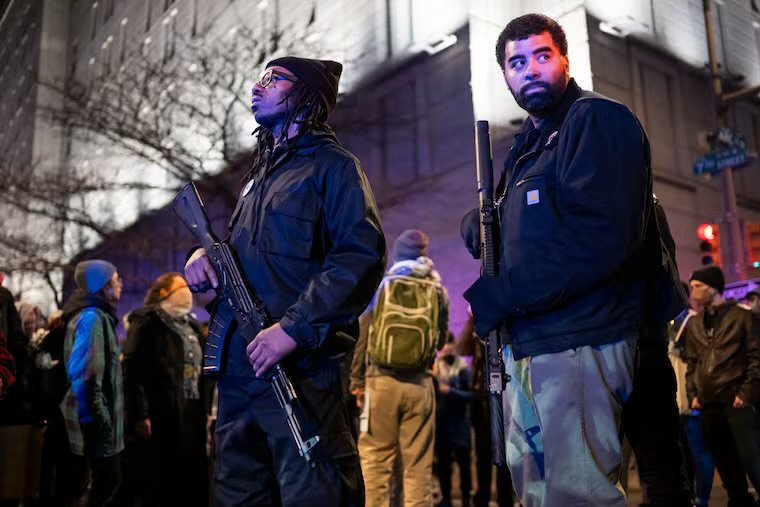
📷 Nighttime protest watch: Panthers stand guard as crowds gather in the background.
While today’s organization operates independently from the historic party, the visual language and strategy draw directly from that legacy.
⚖️ The Line Between Protection and Perception
The group maintains that its actions comply with state law, including legal open carry where permitted. Still, public reaction remains divided.
Mainstream coverage often centers on weapons, while giving far less attention to the food drives, clothing collections, and neighborhood engagement taking place alongside the patrols.
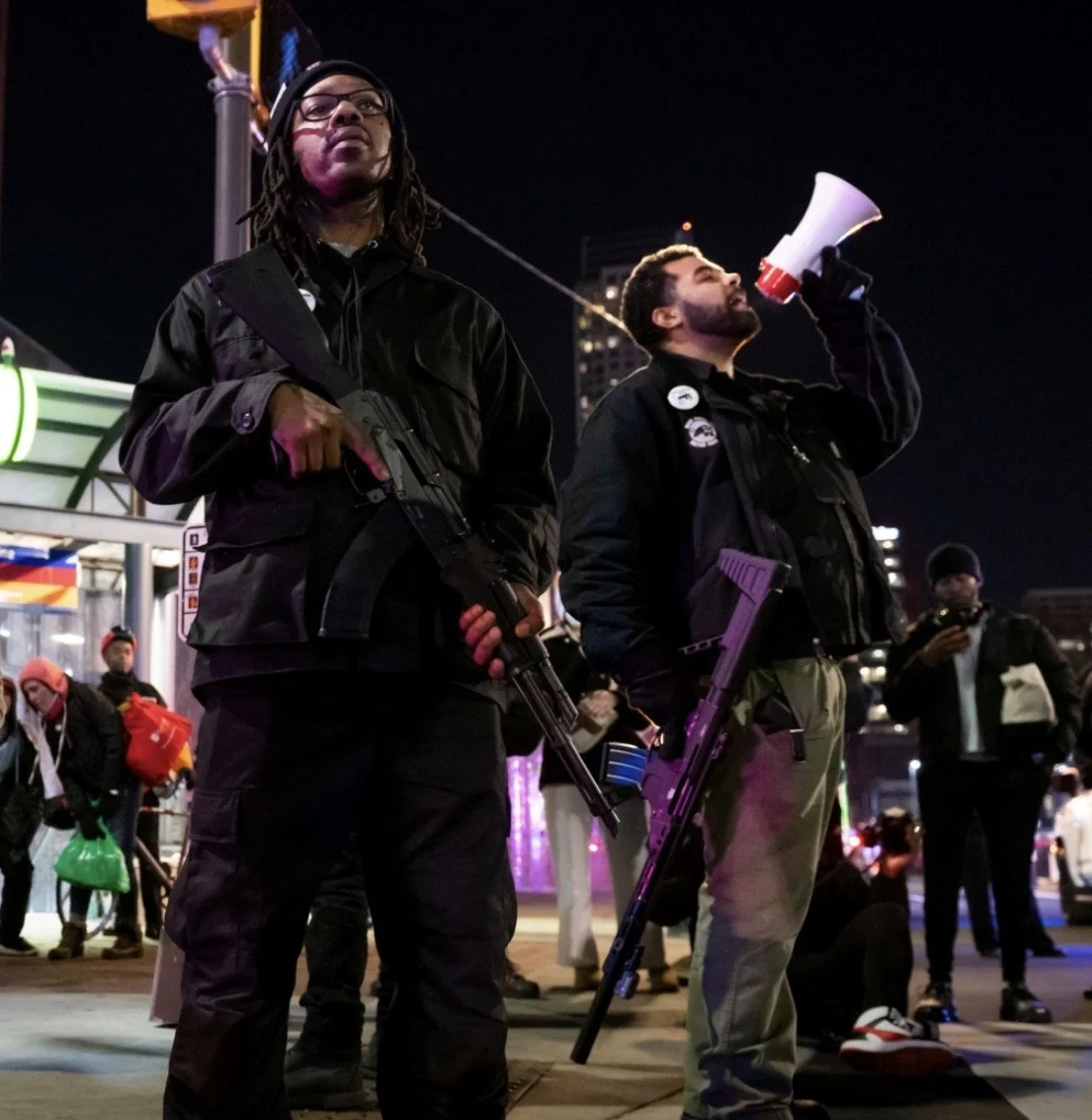
📣 A Panther addresses the crowd, blending armed presence with political messaging.
The contrast highlights a recurring issue: how community self-defense is framed when it does not come from official institutions.
🧠 Why This Moment Matters
What’s happening in Philadelphia reflects a larger national question about power, safety, and trust.
When communities believe federal agencies represent danger rather than protection, alternative forms of organization emerge — not quietly, but visibly.
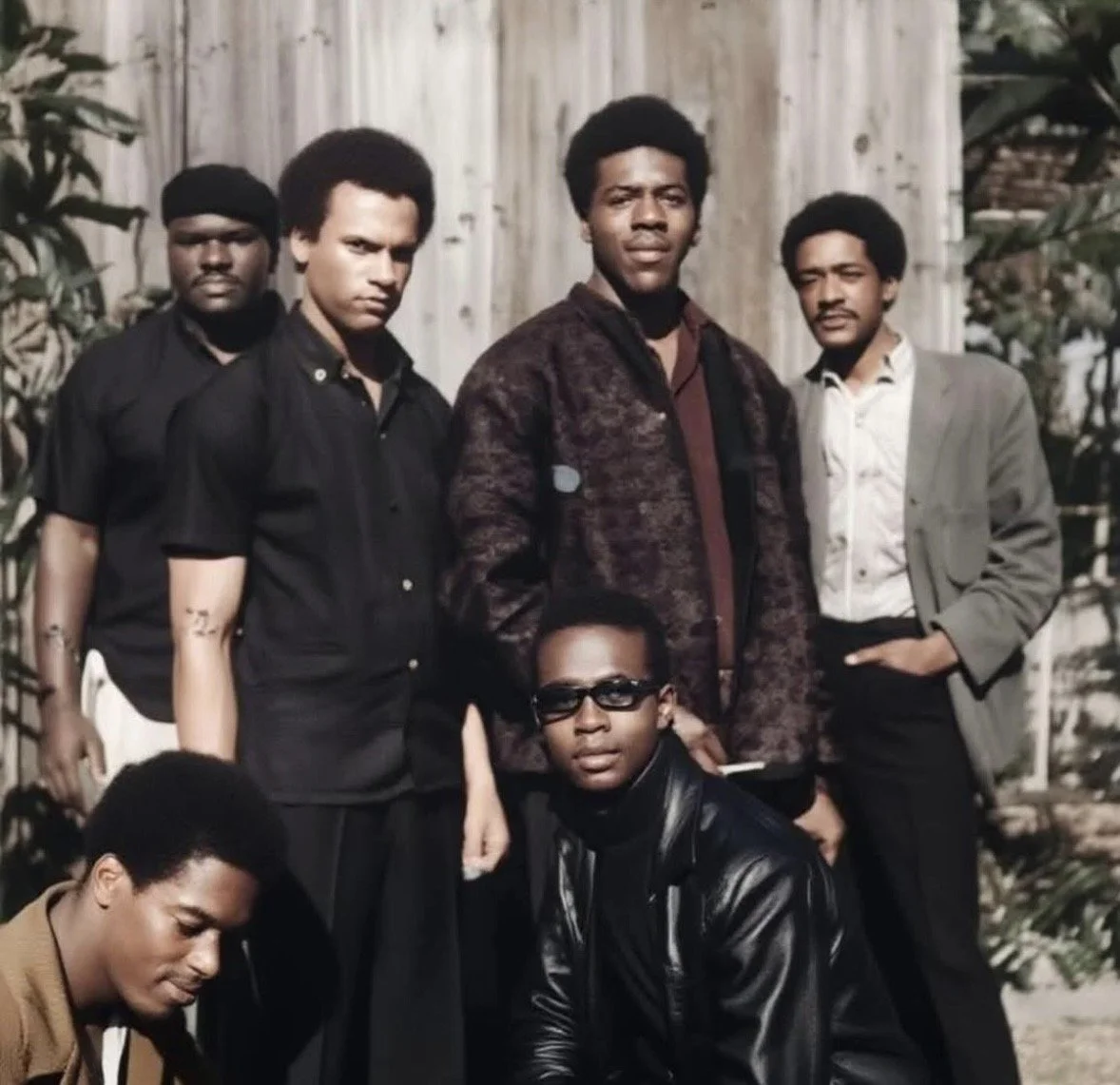
🕊️ Historic image of the original Black Panther Party, grounding today’s actions in a longer tradition of self-defense and mutual aid.
Whether viewed as protection or provocation, the message being sent is unmistakable: these communities are no longer waiting for permission to defend themselves.
🗣️ From the Gutter
History will decide how this moment is remembered.
But what is clear right now is this —
people who feel targeted do not respond with silence.
They respond with organization.
Not for clicks — for clarity.
— Elliott Carterr, LFTG Radio
📱 TikTok: @elliott_carterr ↗
📺 YouTube: @lftgradio ↗
🌐 Website: LFTGRadio.com ↗
⚖️ The Gutter Justice Project ↗
❤️ Support the work: LFTGRadio.com/donate ↗
