
🏨 The Gutter Report: Hotel Hynes — How Brooklyn Warehoused Witnesses to Win Cases
A look inside the quiet system of detention, leverage, and testimony that shaped Brooklyn prosecutions for decades
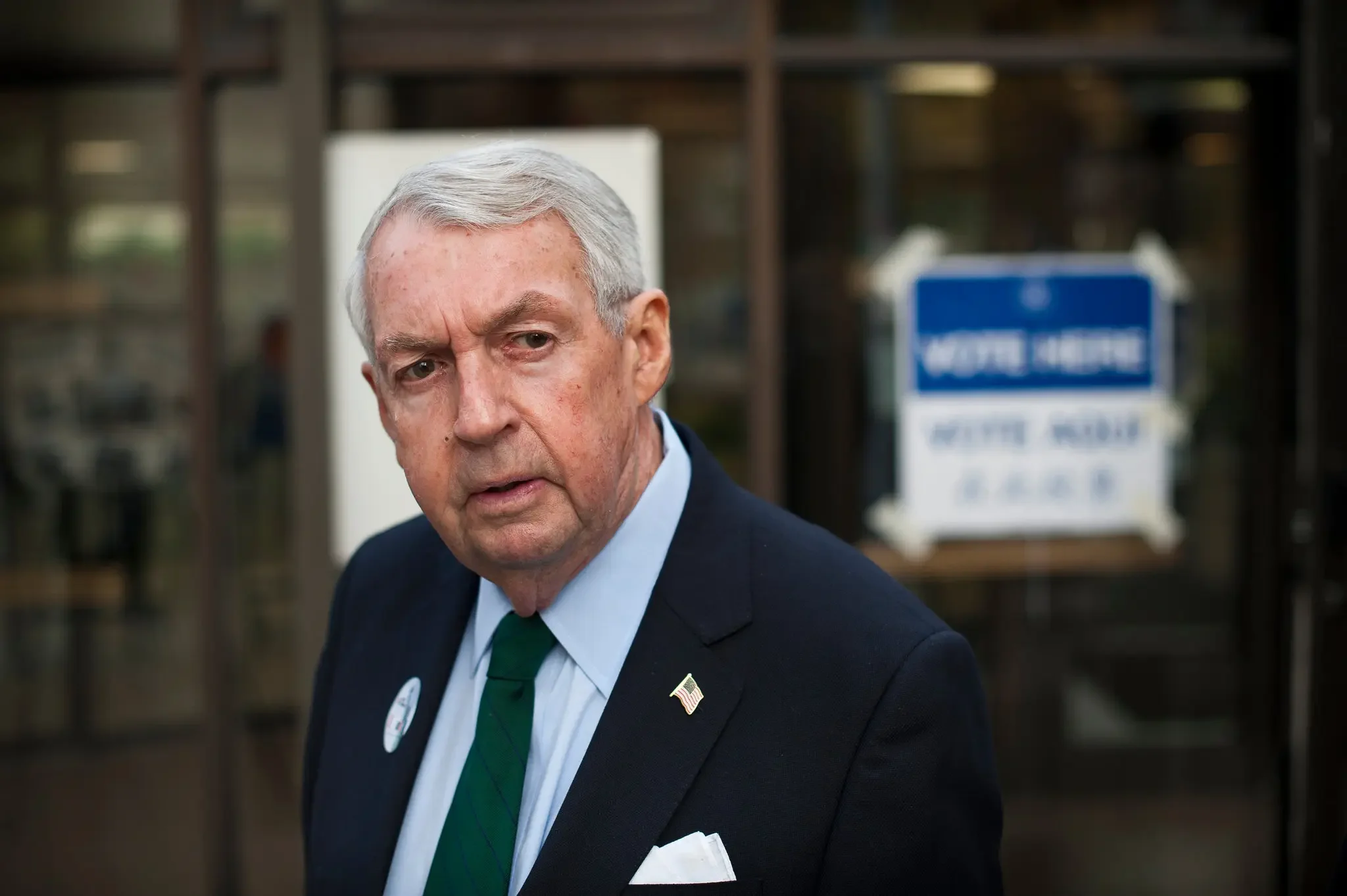
🧠 Charles J. Hynes — Brooklyn District Attorney during the era critics say witness detention became routine rather than exceptional.
🧱 What “Hotel Hynes” Really Means
Brooklyn, New York — For years, defense lawyers and advocates alleged that the Brooklyn District Attorney’s Office under Charles J. Hynes used hotel rooms to detain witnesses overnight—not to protect them, but to control them.
This isn’t folklore. Reporting by the Innocence Project documented that Hynes admitted in a sworn deposition that his office detained witnesses overnight in hotel rooms after previously denying the practice publicly.
That admission matters because it confirms the existence of a system where witnesses could be removed from their communities, isolated, and produced in court when needed.
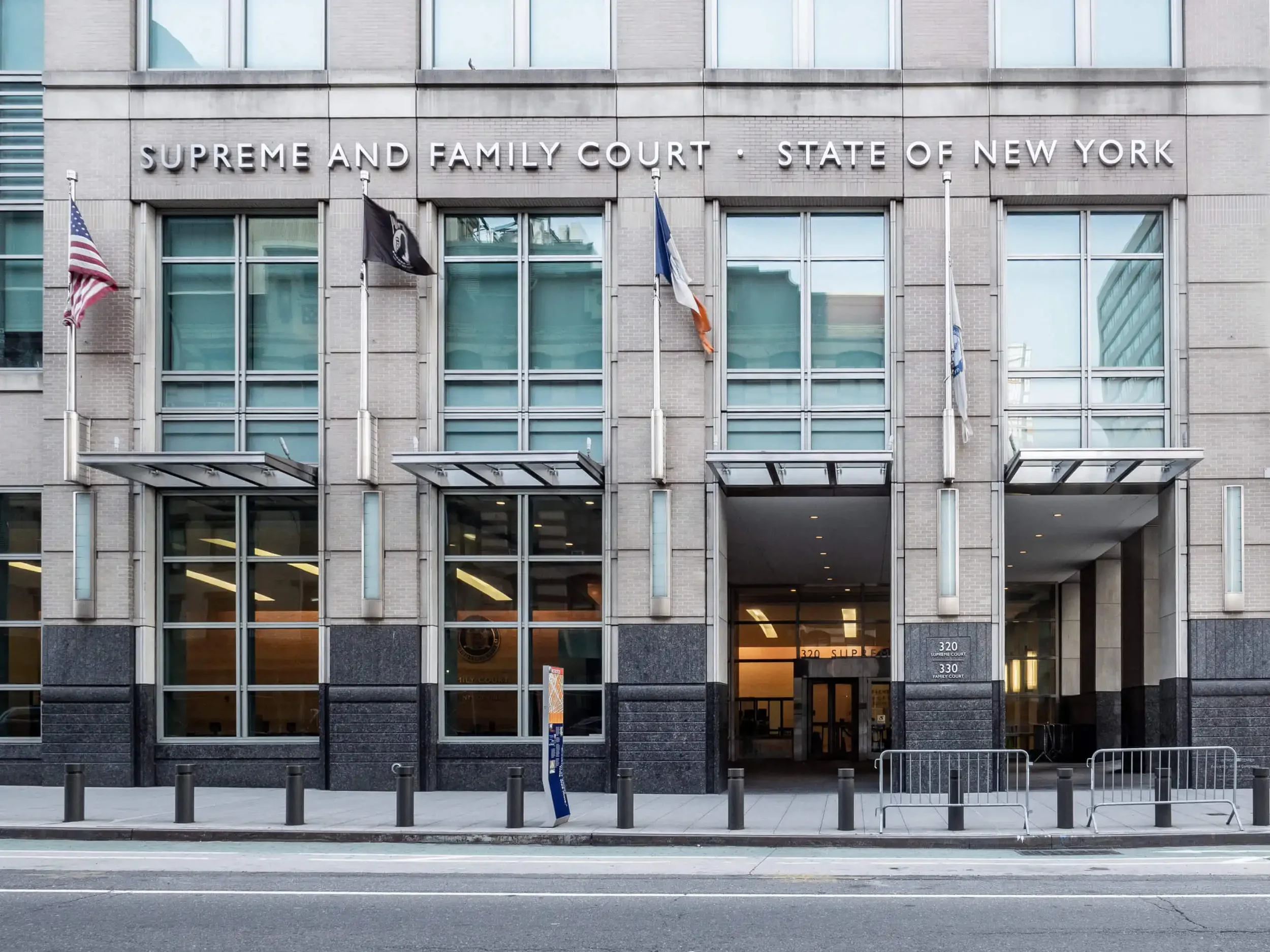
🏛️ Brooklyn’s courts — where testimony is judged, but rarely where its origins are examined.
👨🏻⚖️ “Private Jail” Allegations and the Record Behind Them
The description of Brooklyn’s witness-detention practices as coercive did not come from rumor — it emerged from court filings and sworn testimony, and it was then reported on by major outlets.
In litigation connected to Brooklyn wrongful convictions — most notably the Jabbar Collins case — defense filings alleged that prosecutors detained reluctant witnesses overnight in hotel rooms without formal material-witness orders, using isolation and legal leverage to secure testimony. ProPublica reported those allegations explicitly, including the description of what Collins’ lawyer called a “civil jail.”
👉🏾 ProPublica: “Problem Witness” (May 31, 2013)
Local reporting also covered the same lawsuit allegations and calls for investigation into the Brooklyn DA’s witness-detention practices.
Separately, the Innocence Project documented that the Brooklyn DA later admitted under oath that the office did, in fact, detain witnesses overnight in hotel rooms — after previously denying the practice publicly.
👉🏾 Innocence Project: “Former District Attorney Admits to Detaining Witnesses” (Apr 18, 2014)
Taken together — the litigation record, sworn admissions, and the reporting above — raised serious concerns about whether some testimony was obtained under pressure rather than freely given, and whether Brooklyn prosecutions during that period relied on witness management practices that operated largely beyond public view.
👨🏼💼 The Leverage Problem: “You Don’t Want Court? We Got Something For You.”
Many witnesses don’t want to testify. Fear, retaliation, instability, and self-preservation all play a role.
But when a witness has open cases, probation exposure, warrants, or pending charges, reluctance becomes leverage. That leverage doesn’t have to be spoken out loud to work.
This is the core allegation behind “Hotel Hynes”: cooperation wasn’t always voluntary—it was often managed.
🧯 Why This Isn’t a Side Issue — It’s the Whole Case
A criminal trial is supposed to test truth. But when testimony can be curated, the courtroom becomes a factory:
isolate the witness
manage the witness
feed the witness
clean the witness up
deploy the witness
That’s not justice. That’s logistics.
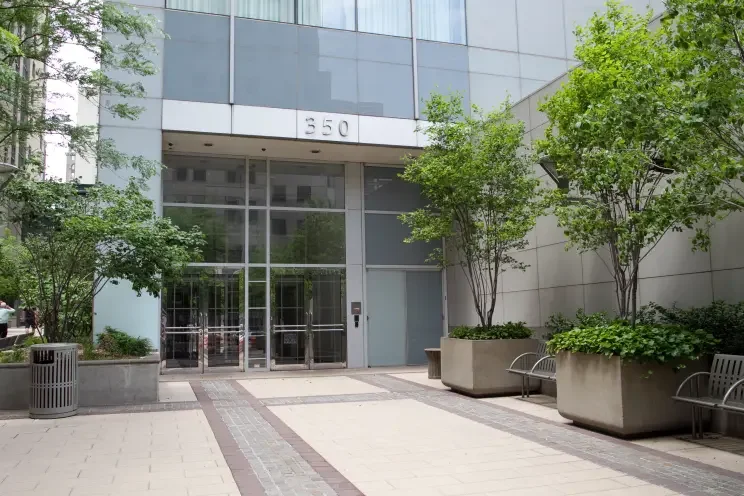
🏢 The Brooklyn District Attorney’s Office — where witness strategy is shaped long before a case ever reaches a courtroom.
👮🏻♂️ When Witness Control Meets a Star Detective
This culture becomes explosive when paired with detectives whose cases relied heavily on witness testimony rather than physical evidence.
Mainstream reporting acknowledged that major cases from this era hinged on vulnerable witnesses and that inducements like food and money were provided—while credibility was assumed rather than rigorously tested.
That “care and feeding” dynamic matters: when the state becomes your provider, it can also become your scriptwriter.
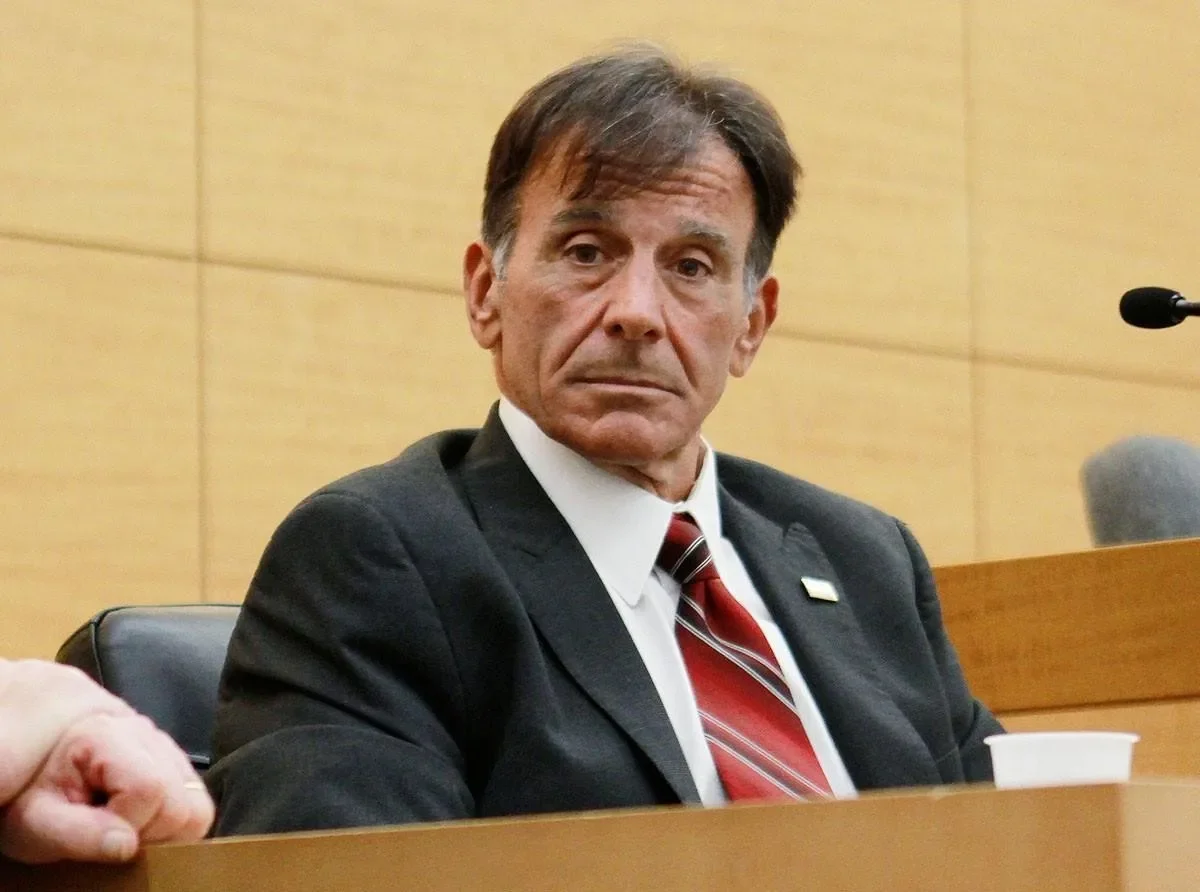
🕵🏻♂️ Louis Scarcella — a central figure in Brooklyn homicide cases later scrutinized for witness handling and reliability.
👩🏼🦱 The Repeat Witness Problem
One of the most troubling patterns to emerge from this era was the repeated use of the same vulnerable witnesses across multiple serious cases.
Whether a witness was truthful, mistaken, manipulated, or all three is not the only question. The systemic question is simpler and more dangerous:
Why were the same people recycled again and again to carry the weight of murder prosecutions?
🎙️ Teresa Gomez Speaks — And the Point Gets Sharper
A bonus episode of The Burden titled “Teresa Gomez Speaks!” features rare audio of a key witness giving an early statement to prosecutors about a murder she said she witnessed.
In that recording, she sounds emotional, shaken, and—at least in that moment—credible. The show’s investigator notes that parts of her account appear consistent with available records.
But that doesn’t absolve the system. It exposes the risk.
A witness can be believable once and unreliable elsewhere—which is exactly why the justice system cannot recycle vulnerable people as interchangeable testimony machines. When credibility becomes situational but testimony is treated as inventory, convictions become unstable by design.
🎧 Listen to the episode:
The Burden (Bonus Episode): “Teresa Gomez Speaks!”
👨🏻⚖️ From One Witness to Many: The Reluctant Witness Pipeline
Reluctance creates vulnerability. Vulnerability creates pressure points. Pressure produces testimony.
That’s why the hotel issue matters. It’s not about hotels.
It’s about how the state obtains testimony.
📂 What Accountability Would Actually Look Like
Accountability requires receipts:
• hotel placement records
• material-witness orders
• transport logs
• inducements and agreements
• witness preparation notes
If witnesses were held in secret, the public deserves to know who approved it, how often it happened, and which convictions relied on it.
📣 Call to Action
If your loved one is sitting in prison on a case built on shaky witness testimony, understand this: you’re not fighting one lie—you may be fighting a system built to manufacture cooperation.
👇🏾 Share this report
👇🏾 Demand transparency
👇🏾 Push for case-by-case review
Because when the state controls the witness, the state controls the story.
Not for clicks — for clarity.
— Elliott Carterr, LFTG Radio
📱 TikTok: @elliott_carterr ↗
📺 YouTube: @lftgradio ↗
🌐 Website: LFTGRadio.com ↗
⚖️ The Gutter Justice Project ↗
❤️ Support the work: LFTGRadio.com/donate ↗
