
🧨 The Gutter Report: When Silence Becomes a Factor — Paul Carey and the Media Gap in Onondaga
Part I: How abandoned defenses, missing alibis, and a lack of scrutiny shaped the public record
🧭 Why This Report Exists
Onondaga County, New York — Over the last several months, The Gutter Report has examined a growing number of serious felony cases out of Onondaga County that share a striking commonality: the same defense attorney appears again and again, and so do the same unresolved issues.
That attorney is Paul Carey.
This report consolidates every documented fact already published alongside court paperwork from a 2021 post-conviction hearing to examine whether a pattern of ineffective defense representation has gone largely unexamined—and how the absence of independent media scrutiny allowed that pattern to remain invisible to the public.
This is not conjecture.
This is documentation.
And this is only Part I.
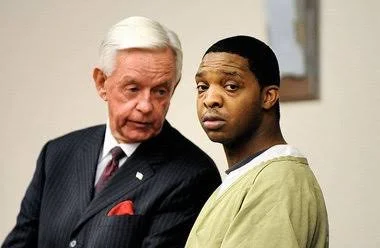
👨🏻⚖️ Paul Carey speaking privately with a client during a felony prosecution — moments that shape strategy long before a jury ever hears a case.
👨🏻⚖️ Who Paul Carey Is (Public Record)
Paul Carey is a Syracuse-based criminal defense attorney practicing out of 333 E. Onondaga Street. Public attorney directories list him as licensed in New York for more than three decades, with a practice focused almost exclusively on criminal defense.
In addition to his private defense work, public election records show Carey ran for Town Justice in the Town of Salina, a municipality neighboring Syracuse. A Town Justice is a locally elected judicial officer who presides over arraignments, misdemeanor cases, violations, bail decisions, and preliminary felony hearings.
That role does not make Carey a Supreme Court or County Court judge.
But it does place him inside the same local judicial ecosystem—interacting with prosecutors, police agencies, and court administrators—not only as a defense attorney, but as a judicial candidate entrusted with deciding liberty interests in other cases.
His public Avvo profile reflects mixed-to-negative client reviews and a low client rating (approximately mid-2 out of 5). This report does not treat online reviews as proof of misconduct; they are included as public context alongside the documented case-level concerns outlined below.
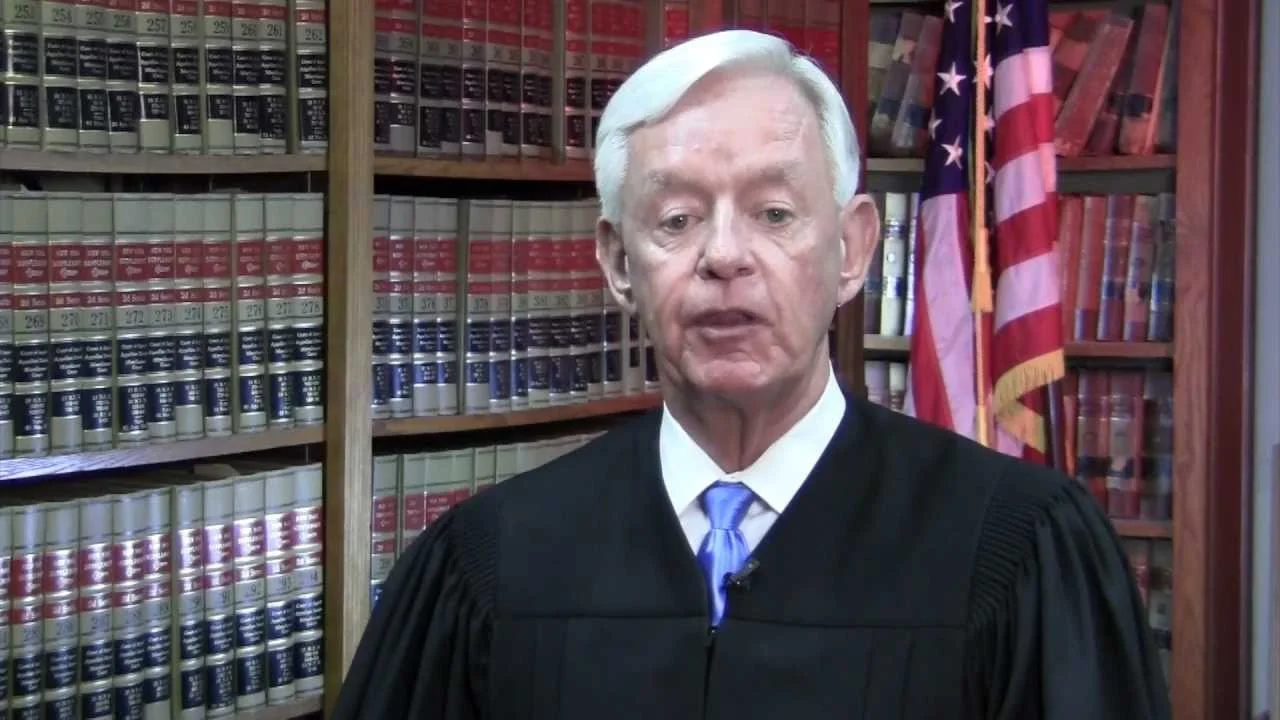
⚖️ Paul Carey addressing the camera in judicial attire — illustrating his presence in both advocacy and judicial spaces within the same regional system.
🧩 The Pattern That Emerges
Across multiple Onondaga County prosecutions already reported by The Gutter Report, the same defense failures recur:
Alibi witnesses known to the defense were never presented to juries
Defense witnesses and corroborating evidence were left unused
Credibility issues in prosecution testimony went largely unchallenged
Explanations surfaced only after convictions, rather than being litigated at trial
Any one of these issues could be dismissed as strategy.
Seen together, across cases, they demand scrutiny.
🔍 Case-by-Case Documentation
🧷 Nahkeen Lewis-Bush — Alleged Conflict and Suppressed Defense
In the three-part Syracuse Setup series, Carey’s representation of Nahkeen Lewis-Bush is described as deeply compromised. The reporting documents allegations that Carey failed to meaningfully defend his client, did not pursue or disclose critical defense materials, and operated under a personal conflict involving his paralegal—allowing the case to proceed without fully litigating available defenses.
Read the full reporting:
These allegations are presented as claims supported by documentation—not judicial findings—but the severity and consistency of the claims warrant public examination.
🩸 Deyontay Smith — Missing Witnesses, Missing Challenges
In Another Onondaga County Conviction Faces Scrutiny, family members raise concrete concerns about Carey’s trial performance, including:
A key 911 caller and neighbor who attempted to save the victim was never called
Contradictory shooter descriptions were not meaningfully litigated
Photographic evidence allegedly contradicting eyewitness testimony was not introduced
No effort was made to test the credibility or competency of a central prosecution witness
These are jury-level omissions with life-altering consequences.
⛓️ Landrous Hills — The Abandoned Alibi and the Late Narrative
In What Syracuse.com Didn’t Tell About Landrous Hills, the reporting documents one of the clearest examples of the pattern:
No alibi was presented to the jury at trial
Years later—only after post-conviction litigation began—a new explanation emerged: that Hills allegedly confessed privately to Carey
That claim was never recorded, never contemporaneously documented, and never raised before trial, sentencing, or direct appeal.
A defense theory introduced after conviction cannot substitute for a defense litigated before a jury.
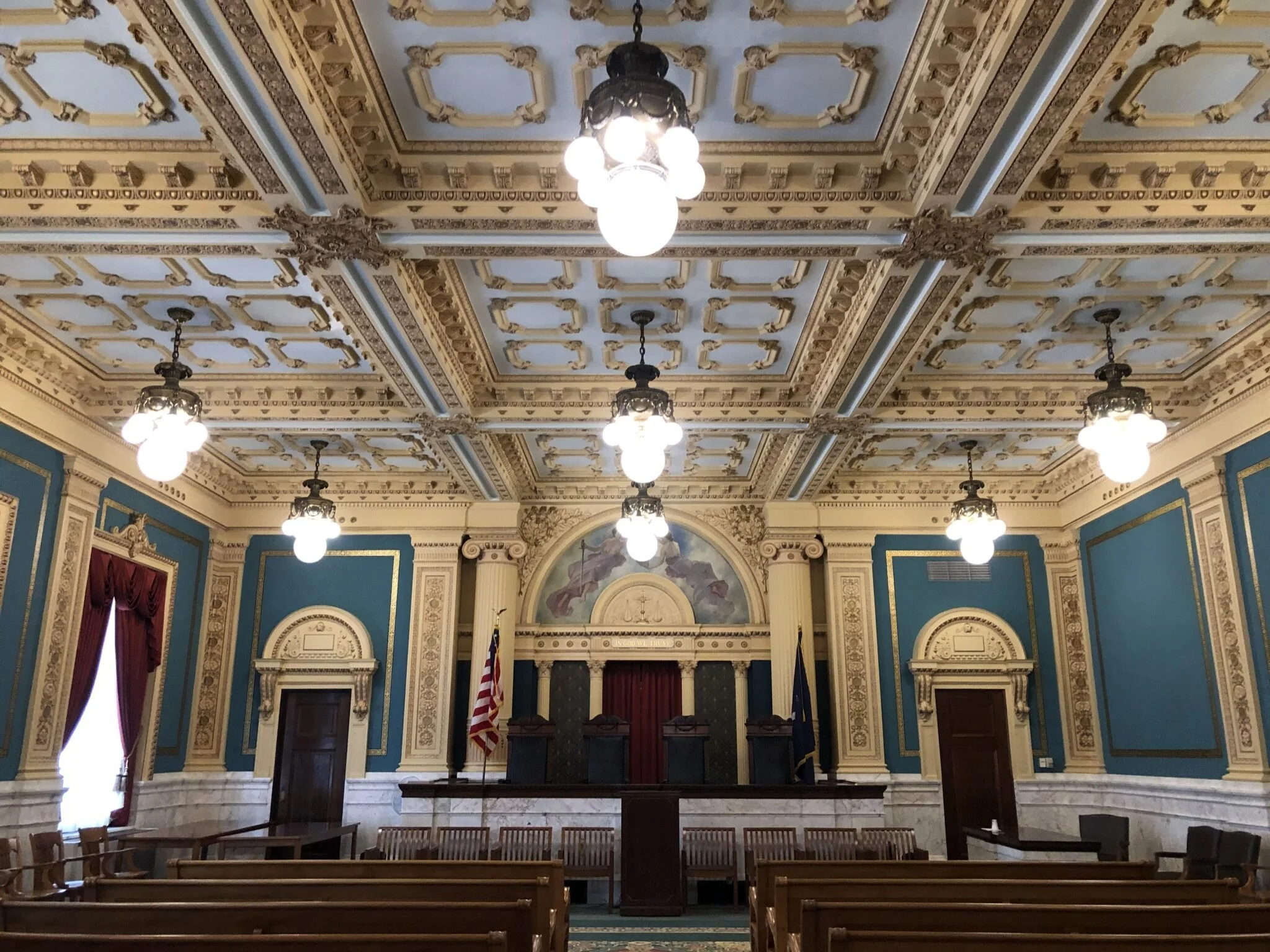
🏛️ Inside Onondaga County Supreme Court — where felony trials are decided and omissions become permanent parts of the record.
🧾 Kenneth Kinsey Jr. — Evidence Given to Counsel, Not to the Jury
In the two-part Built on Testimony series, Carey again appears as defense counsel where:
A sworn affidavit containing exculpatory assertions was provided to defense counsel before trial
The jury never heard that evidence
The witness never testified
Read the reporting:
Whether that exclusion stemmed from strategy, court rulings, or failure is precisely why transparency matters.
🧠 The 2021 Post-Conviction Hearing — A System Acknowledges Risk
The 2021 CPL §440 hearing paperwork confirms that ineffective assistance of counsel claims were serious enough to trigger formal judicial review.
Post-conviction hearings exist for one reason: to determine whether justice failed the first time.
Their existence alone undercuts the idea that these concerns are speculative.
📰 Syracuse.com and the Consequences of Silence
Despite multiple serious felony cases, repeated allegations involving the same defense attorney, documented alibi omissions, and formal post-conviction proceedings, Syracuse.com has produced no sustained investigative reporting examining Carey’s defense record as a whole.
That silence has consequences:
Narrative control: Omitted defenses disappear from public understanding
Case insulation: Lack of scrutiny allows outcomes to harden unchallenged
System protection: Patterns remain fragmented and unexamined
Independent media is not commentary.
It is infrastructure.
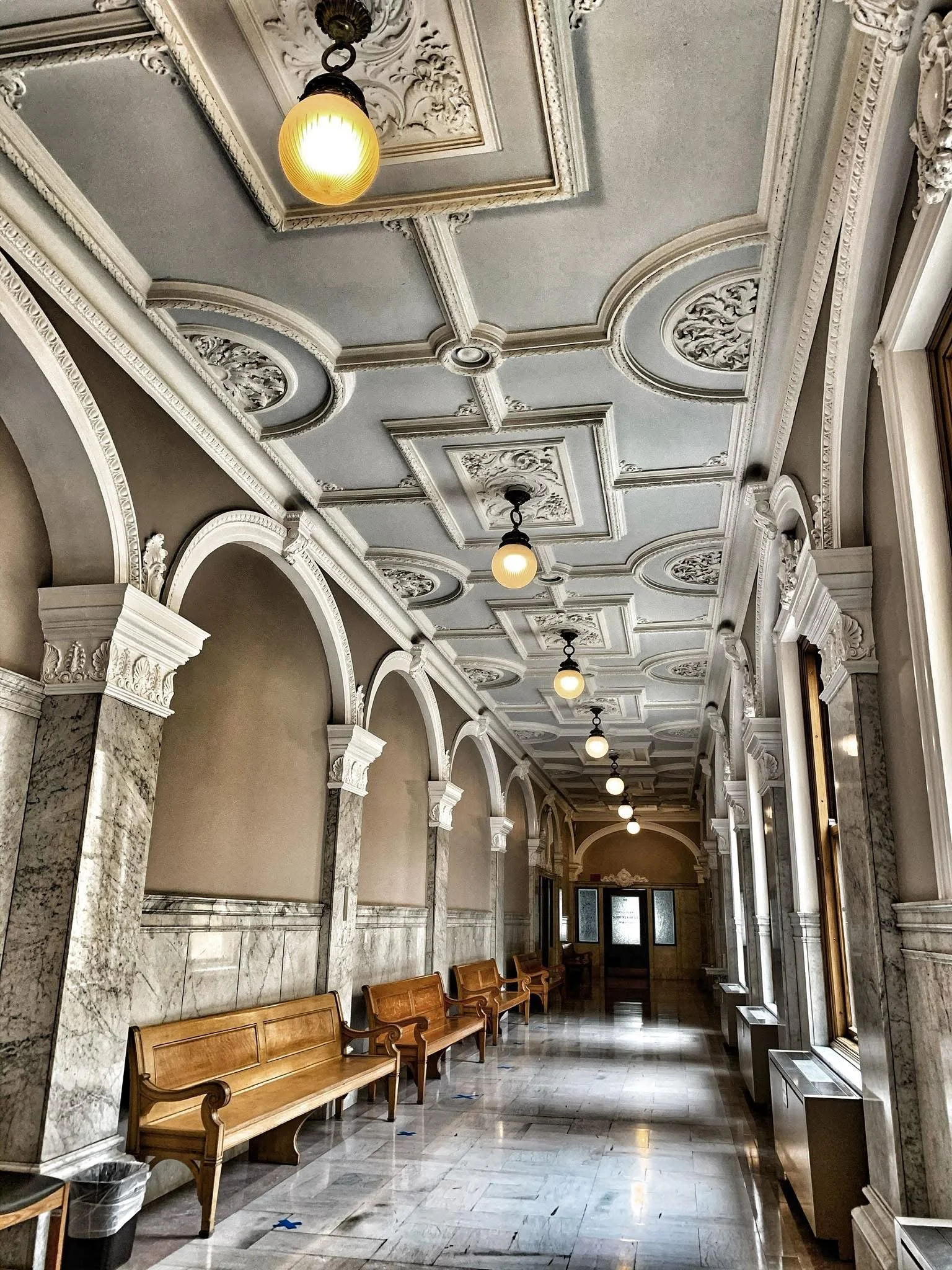
🏚️ The halls of Onondaga County Supreme Court — where families wait, cases age, and silence becomes institutional.
🚨 Why This Matters
This is not an isolated review.
At the time of publication, The Gutter Report is working directly with multiple former Paul Carey clients. Across those case reviews, the same themes are emerging: abandoned defenses, unexplained omissions, and allegations—still being documented—of quiet arrangements that advantaged the system while leaving defendants exposed.
Those findings will be addressed in Part II and beyond.
✊🏾 A Closing Record — and a Question About Who Reporting Is For
This report is not an accusation.
It is the beginning of a record.
If alibis were abandoned, the public deserves to know why.
If evidence was never presented, the record must explain it.
If explanations only appear after convictions, that timing matters.
But there is a larger question this reporting raises—one that goes beyond any single attorney or case:
Whatever happened to reporting for the people?
When repeated defense failures go unexamined, when patterns are never aggregated, and when coverage consistently favors institutional narratives over lived consequences, journalism stops serving the public and starts protecting the system.
That is the gap this reporting exists to fill.
This is what separates LFTG from outlets like Syracuse.com and SILive.com.
We are not reporting from press releases.
We are not reporting from relationships.
We are not reporting after the damage is already done.
We are reporting from the gutter—where families sit, where defendants live with the consequences, and where the aftermath of representation is felt long after the headlines disappear.
This is to the people, by the people, and accountable to the public—not power.
Given the volume of complaints, the consistency of allegations, and the severity of outcomes documented so far, this reporting calls for:
• A statewide review of felony cases handled by Paul Carey
• Independent examination of whether conflicts or compromised advocacy played a role
• Transparency for every defendant whose liberty may have been affected
This is Part I of a deeper investigation.
Justice is not proven by convictions alone.
It is proven by who the system protects—and who it listens to.
Not for clicks — for clarity.
— Elliott Carterr, LFTG Radio
📱 TikTok: @elliott_carterr ↗
📺 YouTube: @lftgradio ↗
🌐 Website: LFTGRadio.com ↗
⚖️ The Gutter Justice Project ↗
❤️ Support the work: LFTGRadio.com/donate ↗
