
⚖️ The Gutter Report: SHU, Retaliation Claims, and a Motion to Vacate — The Growing Fight Around Wesley Sykes
New court filings, a public petition, and decades-old witness questions are now colliding around one central issue: whether Wesley Sykes is being denied justice while continuing to fight from inside SHU
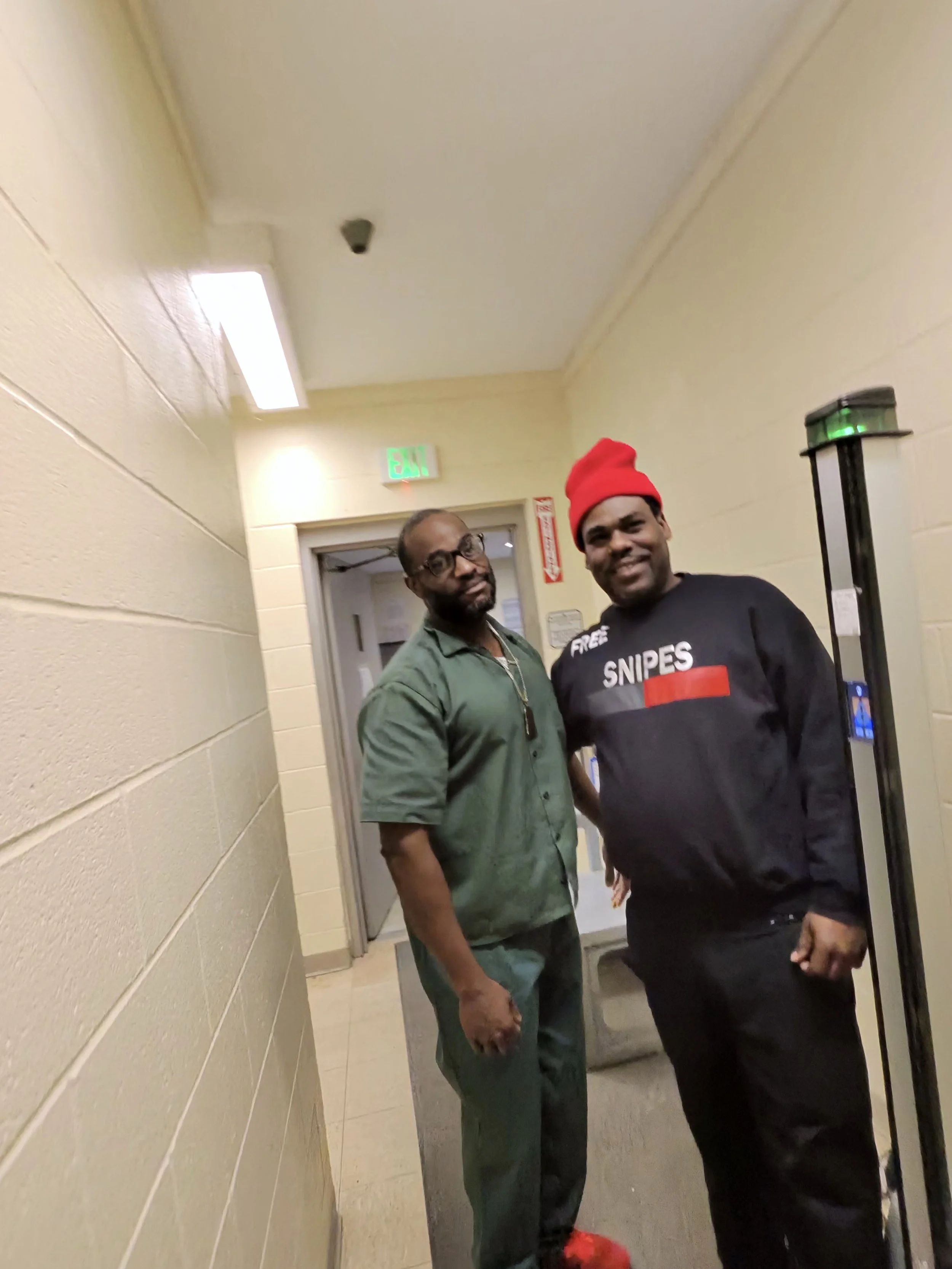
🟩 Wesley Sykes pictured during a prison visit as supporters continue raising questions surrounding his SHU confinement and ongoing legal fight.
⚖️ A Case That Refuses To Stay Buried
Brooklyn, New York — Wesley Sykes — also known to many as “Snipes” — is no longer just fighting over what happened in a Brooklyn park more than two decades ago.
He is now fighting on two fronts at once: inside the courts through a sweeping motion to vacate his conviction, and inside the prison system, where supporters say he has been held in SHU under conditions they believe raise serious HALT Act and retaliation concerns.
The issue was first laid out publicly in The Gutter Report’s previous coverage of Sykes speaking out from SHU, where Sykes denied being in the yard connected to the prison incident and claimed he was being targeted while attempting to challenge his conviction.
Now, the fight has expanded.
A public petition titled Remove Mr. Wesley Sykes From SHU In Compliance With The HALT Act is calling attention to his confinement, while a May 1, 2026 motion filed in Kings County Supreme Court asks the court to vacate the judgment, dismiss the indictment, order a new trial, or at minimum hold an evidentiary hearing.
🚪 Why The SHU Issue Matters
SHU is not simply “disciplinary housing.”
It means isolation, restricted movement, reduced programming, limited communication, and the type of confinement New York lawmakers specifically attempted to limit through the HALT Act.
Under HALT, segregated confinement is generally restricted to no more than 15 consecutive days or 20 total days within a 60-day period unless legally authorized alternatives are used. The law was passed after years of criticism surrounding prolonged solitary confinement and its psychological impact.
That is why supporters say this case matters beyond Wesley Sykes himself.
The petition is not only asking for sympathy — it is raising a compliance question:
if Sykes is being held in SHU beyond what HALT allows, why?
And if the placement intensified while he was actively pursuing legal relief and speaking publicly about his case, supporters argue the retaliation allegations deserve scrutiny.
📂 The Motion To Vacate
The new motion filed by attorney Justin Bonus argues that Sykes was “robbed of a fair trial” and alleges that the Sirois ruling used to admit deceased witness Bobby Gibson’s prior testimony relied on false or unreliable information.
The filing raises several major allegations:
• newly discovered evidence
• alleged Brady and Rosario violations
• alleged Giglio violations involving undisclosed witness benefits
• claims of false testimony
• alleged fraud upon the court
• suggestive lineup procedures
• ineffective assistance of counsel
• and conflict-of-interest allegations involving defense counsel becoming a potential witness.
At the center of the motion is a serious argument:
that the prosecution’s witness intimidation theory may have been built on facts now being challenged by later records, witness testimony, and subsequent proceedings.
The motion specifically references alleged undisclosed witness benefits, disputed gang intelligence records, contradictory testimony, and concerns surrounding identification procedures that allegedly placed Sykes in the same lineup position repeatedly.
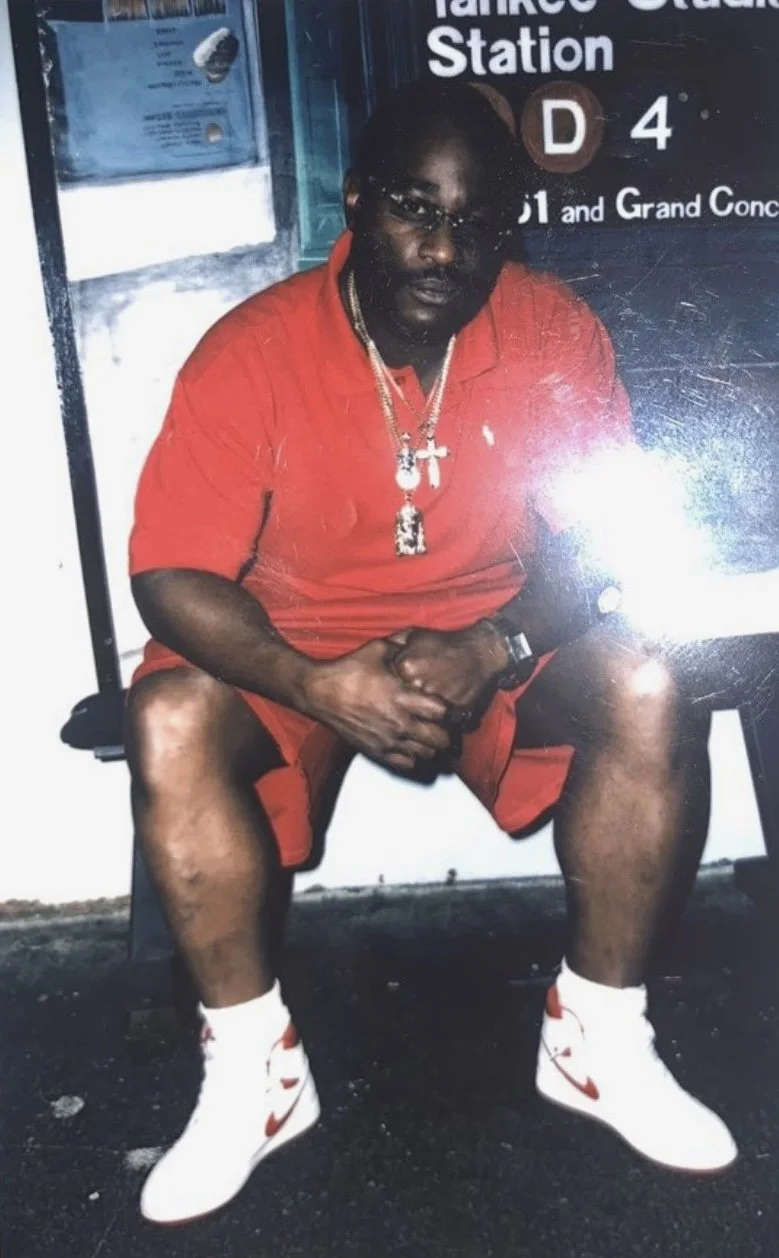
⏳ A younger Wesley Sykes pictured in New York years before the conviction that would later place him at the center of a decades-long legal battle.
🧩 The Bobby Gibson Issue
Bobby “Kareem” Gibson was one of the witnesses in the original case. Before trial, he was killed — and his death became central to the prosecution’s theory that witness intimidation had infected the case.
In People v. Sykes, the Appellate Division affirmed Sykes’ conviction and held that the required connection between Gibson’s unavailability and alleged misconduct had been established by clear and convincing evidence, allowing Gibson’s prior statements to be admitted at trial.
But the new motion argues that later records undermine that conclusion.
According to the filing, records connected to Travis Ragsdale — who was convicted in Gibson’s killing — allegedly show Ragsdale acted independently and not at the direction of Sykes or Dupree Harris.
That matters because the original prosecution theory heavily relied on the idea that Gibson’s death was directly connected to the Sykes case and part of a broader intimidation campaign.
The New York Post also reported in Witness Slay Suit: Kin Want $22M For No Protection Shooting that Gibson’s family sued New York City for $22 million, alleging authorities failed to properly protect him despite knowing he was expected to testify. The lawsuit added another layer to the controversy surrounding Gibson’s death and witness protection failures.
🏛️ The Dupree Harris Connection
Dupree Harris — Sykes’ half-brother — became a major figure in the prosecution’s witness tampering narrative.
In People v. Harris, the New York Court of Appeals upheld Harris’ bribery convictions after prosecutors alleged he cultivated relationships with teenage witnesses, brought them to Sykes’ attorney’s office to recant, and provided money afterward.
But the same appellate decision also acknowledged that Travis Ragsdale later claimed Gibson’s killing came from an alcohol-fueled dispute and denied it was connected to the Brown homicide.
That detail is now being heavily emphasized in the new motion.
The filing argues that prosecutors exaggerated Harris’ alleged gang role and intimidation influence. According to the motion, discovery records allegedly showed Harris was not listed as a gang member despite testimony portraying him as a high-level Blood figure tied to organized witness intimidation.
The motion further claims later testimony from Naja Hardison, Latisha Smith, and Shaquanna Edmonds contradicted earlier narratives that Harris threatened them into silence.
That does not automatically establish innocence.
But it does raise a larger question:
if highly prejudicial intimidation evidence helped shape the jury’s view of the case, should the conviction now be reexamined in light of later contradictions?

⚫ Wesley Sykes in an older portrait photo as new court filings challenge key parts of the prosecution’s original theory.
👁️ The Identification Questions
The motion also attacks the identification procedures used during the original investigation.
According to the filing, Sykes repeatedly appeared in position number two during both photo arrays and lineups. Some witnesses initially failed to identify him during early photo procedures before later identifying him during lineups where he again appeared in the same position.
The motion further argues that Sykes’ distinctive eye condition was known before the arrays were conducted and that the fillers used did not share that same feature.
That becomes significant because the prosecution’s case depended heavily on eyewitness testimony.
The filing argues that defense counsel failed to properly expose those earlier non-identifications and inconsistencies to the jury.
💰 Witness Benefits And Disclosure Claims
Another major section of the motion focuses on alleged witness benefits.
According to the filing, witnesses allegedly received or were offered money, housing, relocation assistance, or other support connected to their cooperation with prosecutors.
The motion argues those alleged benefits should have been disclosed because they could affect witness credibility.
That is where Brady and Giglio become important.
Under Brady, prosecutors must disclose evidence favorable to the defense. Giglio extends that requirement to impeachment material involving deals, promises, benefits, or incentives connected to witnesses.
The motion argues the jury never received the full picture regarding those issues.
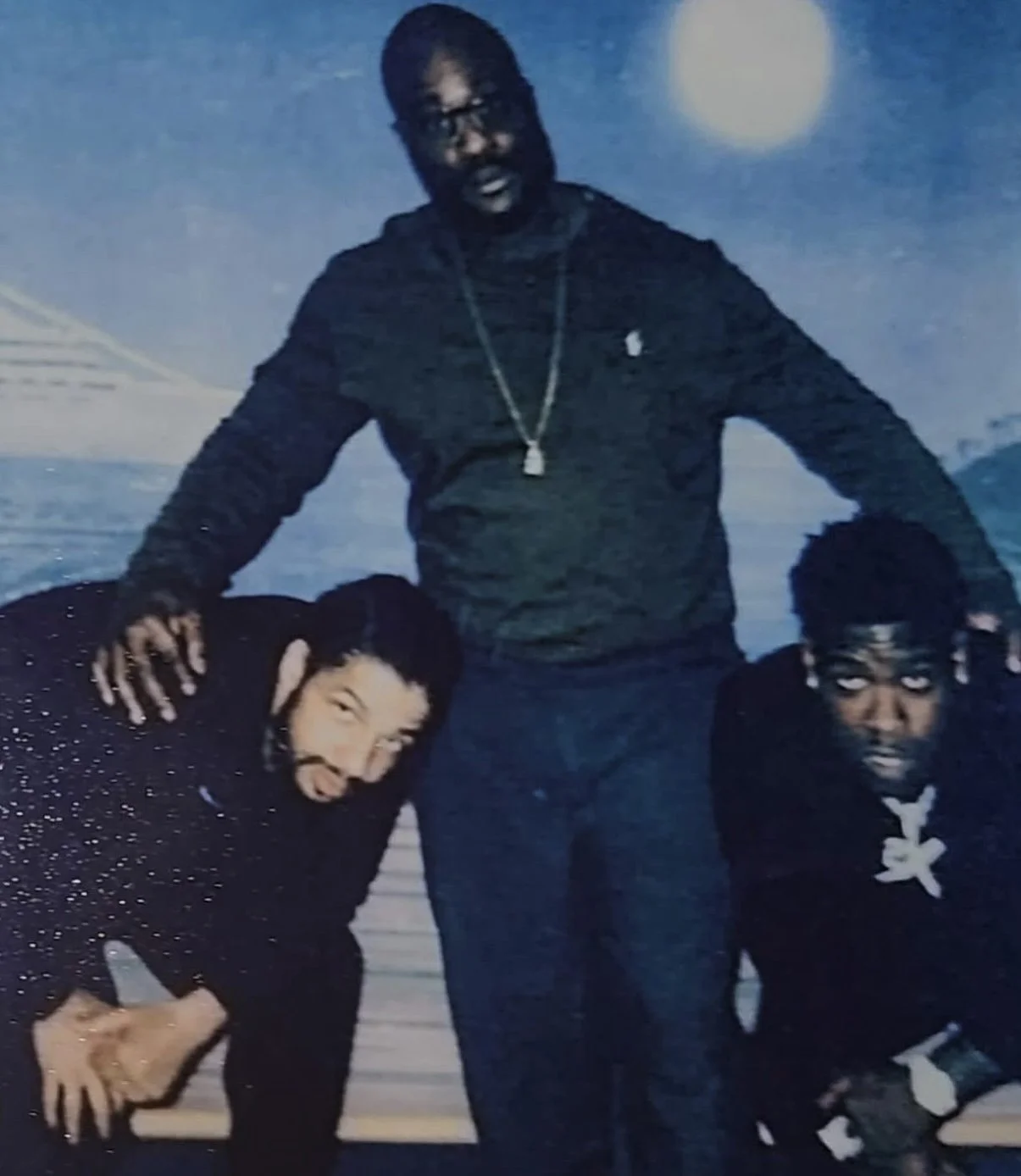
🎤 Ammo, Wesley Sykes, and rapper Casanova 2X pictured together as public attention surrounding Sykes’ case continues growing beyond the courtroom.
🚨 Why The Retaliation Claims Matter
The reason the SHU issue and the motion to vacate are now being discussed together is simple:
Sykes is attempting to challenge his conviction while simultaneously alleging he is being punished inside the prison system.
Supporters argue that continued SHU confinement limits communication, isolates him from the public, and makes it harder for him to organize legal materials and continue fighting his case.
That is why the story has evolved beyond one conviction.
If SHU is being used in retaliation against someone pursuing legal relief, that becomes a civil rights issue.
If HALT protections are being ignored, that becomes a compliance issue.
And if someone remains isolated while presenting filings alleging false testimony, undisclosed benefits, and flawed identification procedures, that becomes a public accountability issue.
🧠 The Bigger Question
Wesley Sykes was convicted more than twenty years ago.
The courts previously upheld that conviction.
But the new motion argues the jury never heard the full story regarding witness benefits, gang intelligence claims, identification weaknesses, and alleged contradictions connected to the Bobby Gibson homicide.
At the same time, the public petition is asking a separate but connected question: why is Sykes still being held in SHU while these legal challenges remain active?
That is where the public must separate two things.
A conviction is not the same as the absence of error.
And a prison disciplinary designation is not automatically proof that prolonged isolation is justified under the law.
⚖️ The Gutter Justice Project Take
Whether Wesley Sykes ultimately wins or loses in court, the questions raised in these filings deserve public scrutiny.
When allegations involving undisclosed witness benefits, disputed gang intelligence, flawed identification procedures, and prolonged SHU confinement begin converging around the same case, transparency matters.
The justice system does not strengthen itself by avoiding difficult questions.
It strengthens itself by confronting them directly.
That is especially true when isolation, retaliation claims, and active legal challenges are all unfolding at the same time.
The public does not have to presume innocence or guilt to demand accountability, lawful treatment, and a fair process.
And that is exactly where this case now stands.
📌 What Comes Next
The May 30, 2026 hearing date could become a major turning point.
If the court grants a hearing, many of the allegations contained in the motion could finally be tested through live testimony, records, and cross-examination.
If relief is denied, the fight will likely continue through appeals and public pressure campaigns.
But either way, the filings have already accomplished something important:
they have forced a decades-old case back into public view.
And now the question is no longer only whether Wesley Sykes was convicted.
The question is whether the system is willing to confront what may have been hidden, misstated, ignored, or buried along the way.
Not for clicks — for clarity.
— Elliott Carterr, LFTG Radio
📱 TikTok: @elliott_carterr ↗
📺 YouTube: @lftgradio ↗
🌐 Website: LFTGRadio.com ↗
⚖️ The Gutter Justice Project ↗
❤️ Support the work: LFTGRadio.com/donate ↗
