
💙 The Gutter Report: “We Had To Rebuild Trust, Not Rewrite History” — Paul Thompson And Neriza Candelario Share Story Of Love, Reentry, And Redemption
After years of separation, incarceration, personal growth, and difficult conversations, Paul Thompson and Neriza Candelario shared how accountability, forgiveness, and intentional change helped them rebuild both their relationship and their future
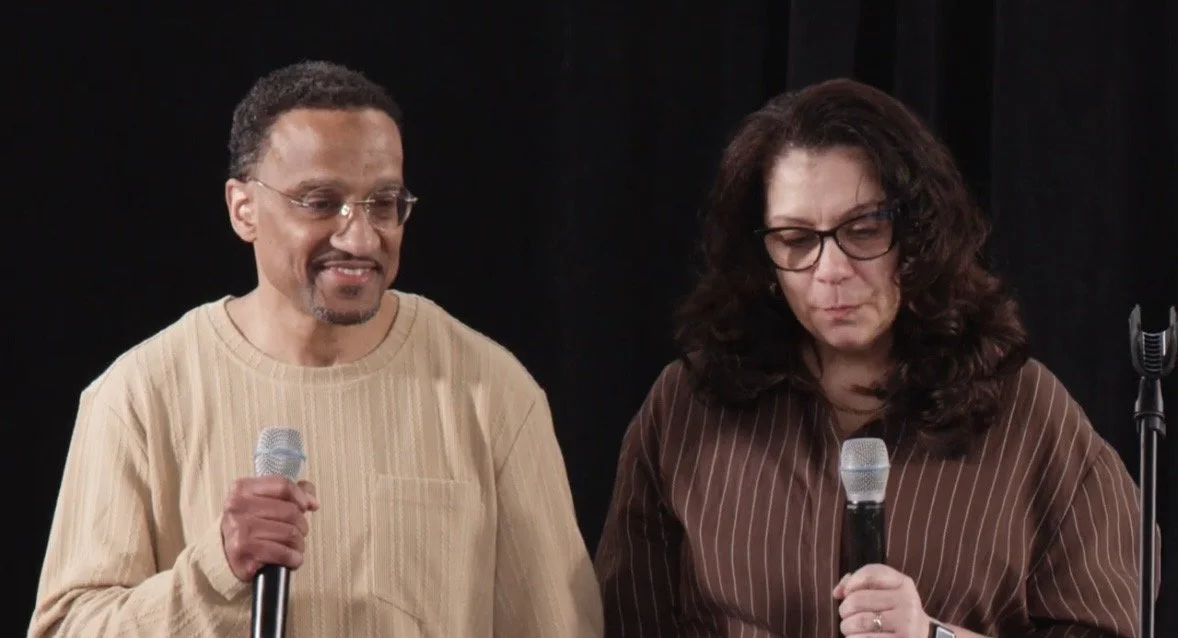
📸 Paul Thompson and Neriza Candelario participate in the “Forever Ever” presentation, reflecting on accountability, reconciliation, and the years-long journey that helped them rebuild trust after separation and incarceration.
❤️ More Than A Love Story
New York, New York — Most stories involving incarceration focus on convictions, sentences, appeals, or release dates.
But a recent presentation by Paul Thompson and Neriza Candelario offered a different perspective — one centered on redemption, accountability, and the difficult work required to rebuild a relationship after years of separation.
During the presentation, titled Forever Ever and published by Beyond The Block on YouTube, the couple reflected on years of heartbreak, personal growth, reconciliation, and healing. Rather than presenting themselves as a perfect couple, they openly discussed the mistakes, failures, and painful lessons that ultimately led them back to one another.
Their message was simple:
You cannot rebuild a future by pretending the past never happened.
🏛️ Accountability Before Redemption
Thompson began by asking audience members how many people desired a relationship built on trust, communication, emotional safety, honesty, and mutual respect.
He then shifted the conversation inward.
While discussing his conviction and subsequent reversal, Thompson acknowledged that regardless of how his legal case ultimately unfolded, there were personal choices he made throughout his life that damaged relationships and created pain for those closest to him.
Instead of focusing on blame, he focused on accountability.
According to Thompson, real growth required confronting fear, remorse, vulnerability, and the consequences of his own actions.
The message resonated because it challenged a mindset common in many communities — the belief that redemption begins when someone else changes. Thompson argued that redemption begins when an individual accepts responsibility for their own role in what went wrong.
🎓 Separate Paths, Shared Growth
Candelario shared her own perspective, explaining that during their younger years she made the difficult decision to leave New York after being accepted into a master’s degree program at Smith College.
She admitted that immaturity, selfishness, poor communication, and unresolved issues contributed to the collapse of their relationship.
Like many couples separated by time and circumstance, they eventually found themselves carrying very different versions of the same story.
Years later, however, both were forced to revisit those painful memories and difficult truths.
Instead of attempting to erase the past, they confronted it.
Instead of rewriting history, they chose to learn from it.
That journey ultimately produced what became the defining quote of the presentation:
“We had to rebuild trust, not rewrite history.”
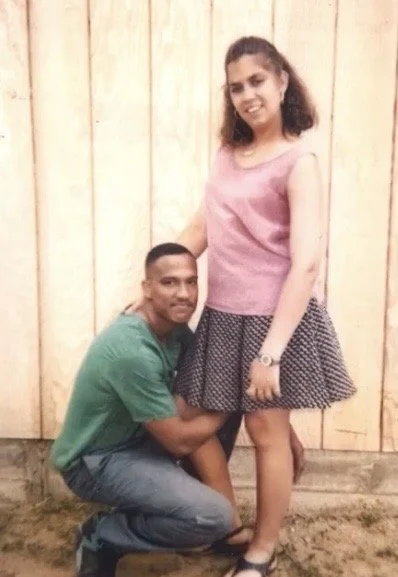
💞 An earlier photograph of Paul Thompson and Neriza Candelario captures the couple during their younger years, long before the challenges, growth, and redemption they would later share publicly on stage.
🔄 Reentry Beyond Prison Walls
One of the most powerful aspects of Thompson’s story involved his discussion of growth while incarcerated.
He described participating in educational and reentry programming, including a nine-month initiative focused on behavioral change, personal development, accountability, and life skills.
Those experiences, he said, forced him to examine himself honestly.
Rather than viewing reentry solely as a process of returning home, Thompson described it as a process of rebuilding character.
For him, freedom was not simply about leaving prison.
It was about becoming someone capable of sustaining healthy relationships, accepting criticism, practicing vulnerability, and repairing damage caused by past decisions.
The conversation highlighted a reality often overlooked in discussions about incarceration:
Successful reentry is not only measured by employment, housing, or staying out of prison.
It is also measured by whether a person can rebuild trust with the people they hurt along the way.
📞 Rebuilding A Relationship From A Distance
The couple explained that rebuilding their relationship required structure, consistency, and patience.
Phone calls, emails, prison visits, scheduled communication, and even remote movie nights became part of a deliberate effort to reconnect.
The process was neither quick nor easy.
Trust had to be earned.
Communication had to improve.
Old wounds had to be acknowledged before they could heal.
According to Thompson and Candelario, meaningful progress only began when they stopped approaching disagreements as opponents and started approaching them as partners working toward the same goal.
Over time, they said they moved:
From blame to responsibility.
From hurt to healing.
From painful memories to shared meaning.
Those changes took years, not weeks.
And both emphasized that growth required commitment from both sides.
💬 Growth Is Intentional
Throughout the presentation, the couple referenced lessons learned through educational programs, leadership principles, personal development work, and lived experience.
One quote repeatedly echoed through the discussion:
“Growth is never automatic. It is intentional.”
That philosophy became a central theme of their story.
The relationship did not survive because time passed.
It survived because both people actively worked to become better communicators, better partners, and better versions of themselves.
They spoke about setting boundaries, celebrating progress, extending grace, and understanding that personal transformation requires continuous effort.
❤️ A Different Conversation About Reentry
Stories involving incarceration often focus on what people lose.
This story focused on what can still be rebuilt.
For Thompson and Candelario, reconciliation was not about forgetting the past.
It was about learning from it.
Their presentation served as a reminder that successful reentry involves more than employment opportunities, housing stability, or legal victories.
It also involves accountability.
It involves healing.
It involves forgiveness.
And perhaps most importantly, it involves earning back trust.
As the presentation came to a close, the couple described their journey not as a perfect love story, but as one defined by heartache, growth, perseverance, and redemption.
“A great love story is not without heartache,” they told the audience. “It’s full of healing and redemption.”
For many people impacted by incarceration, their story offers a message that is rarely discussed in public conversations about reentry: sometimes the hardest thing to rebuild is not a career, a reputation, or a future.
Sometimes it’s trust.
And according to Paul Thompson and Neriza Candelario, rebuilding that trust began with a simple realization:
“We had to rebuild trust, not rewrite history.”
Not for clicks — for clarity.
— Elliott Carterr, LFTG Radio
📱 TikTok: @elliott_carterr ↗
📸 Instagram: @thegutterreport ↗
📺 YouTube: @lftgradio ↗
🌐 Website: LFTGRadio.com ↗
⚖️ The Gutter Justice Project ↗
❤️ Support the work: LFTGRadio.com/donate ↗
