
⚖️ The Gutter Report: 31 Lives Lost — The Deadliest Year of ICE Detention in Decades
How civil detention became deadly, how it keeps happening, and why accountability still hasn’t followed
🗺️ What’s being reported
Washington, D.C. / Nationwide — According to public records, agency disclosures, and investigative reporting, 31 people died in U.S. Immigration and Customs Enforcement (ICE) custody in 2025, marking the deadliest year for immigration detention in more than two decades. These deaths occurred inside facilities operated directly by the federal government or by private contractors acting under federal authority.
These were not people serving criminal sentences.
They were civil detainees — held for immigration processing, hearings, or removal proceedings.
They entered custody alive.
Thirty-one did not leave.
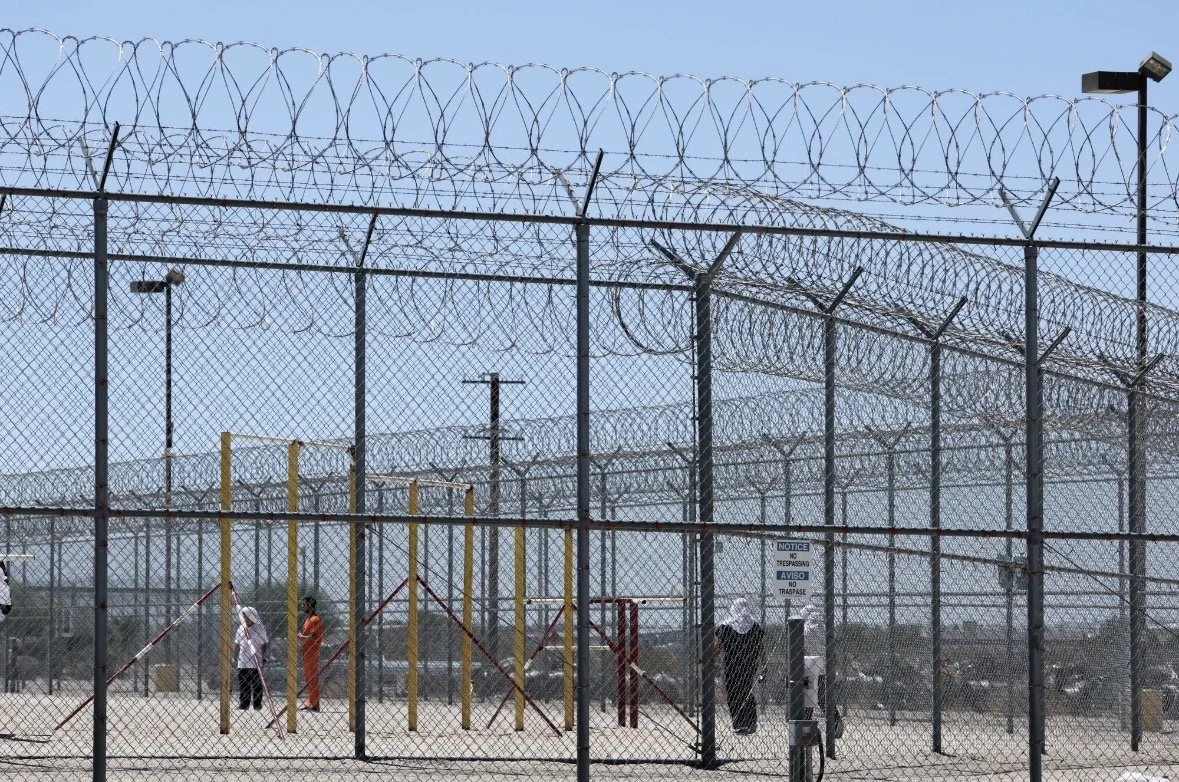
🧱 ICE detention facilities are civil by law — but secured like prisons
🚨 A record that cannot be ignored
ICE detention is legally defined as civil confinement, not punishment. Detainees are not incarcerated as part of a criminal sentence, and many have no violent criminal history at all.
Yet in 2025:
31 deaths occurred in ICE custody
Many followed medical emergencies
Multiple cases involved delays in care or inadequate response
This is not an isolated spike. It represents a long-documented pattern reaching a new and deadly peak.

🏥 Medical care inside detention often comes too late
🏥 How these deaths are happening
Across ICE detainee death reviews, lawsuits, and watchdog findings, the same failure points appear again and again.
Medical neglect
Detainees report chest pain, breathing problems, seizures, or extreme illness — and are told to wait, hydrate, or return to housing. Hospital transfers often happen after collapse, not before.
Mental health breakdowns
Suicide risks are missed or minimized. Isolation and prolonged detention worsen crises. “Monitoring” frequently fails to prevent harm.
Untreated illness
Chronic conditions like diabetes, heart disease, asthma, and infections deteriorate rapidly in detention environments where continuity of care is weak.
Contractor-driven care
Most ICE medical services are outsourced. Cost control, staffing shortages, and approval delays create deadly gaps between need and treatment.
These deaths are rarely sudden or unpredictable.
They are often preceded by warning signs.
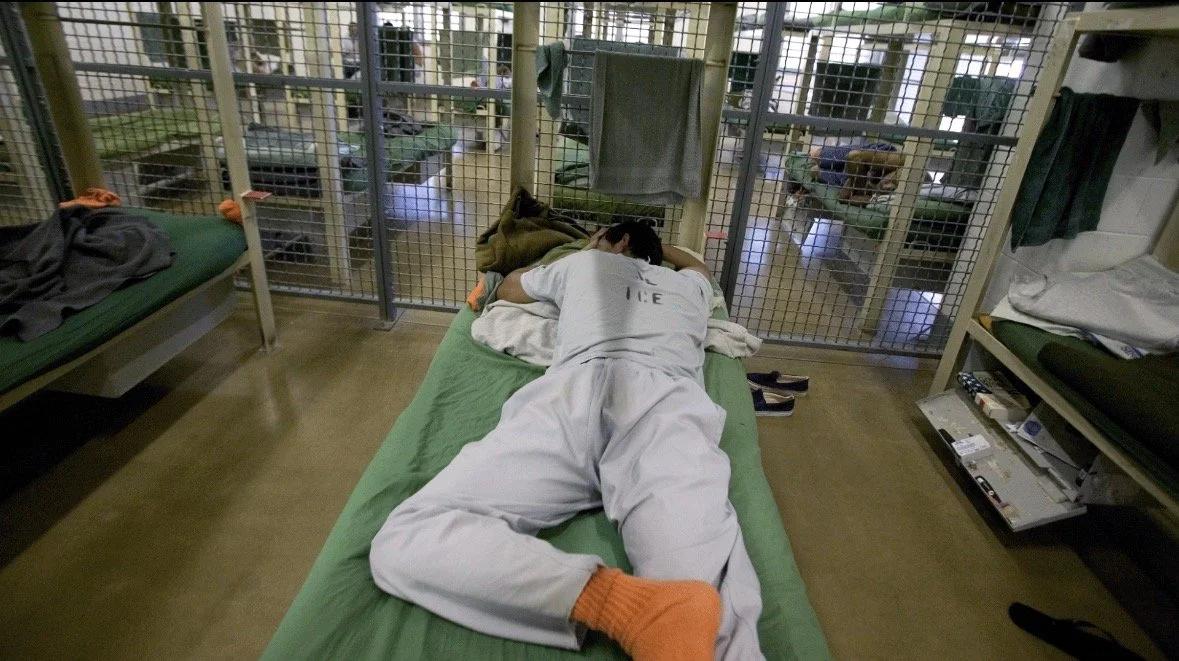
🛏️ Living conditions that accelerate physical and mental decline
🔒 Civil detention, fatal outcomes
ICE detention exists to process immigration cases — not to punish, not to incapacitate, and not to end lives.
There is:
No jury sentence
No fixed term
No punitive mandate
And yet, in 2025, civil detention resulted in death for dozens of people who were legally owed care and protection while restrained by the state.
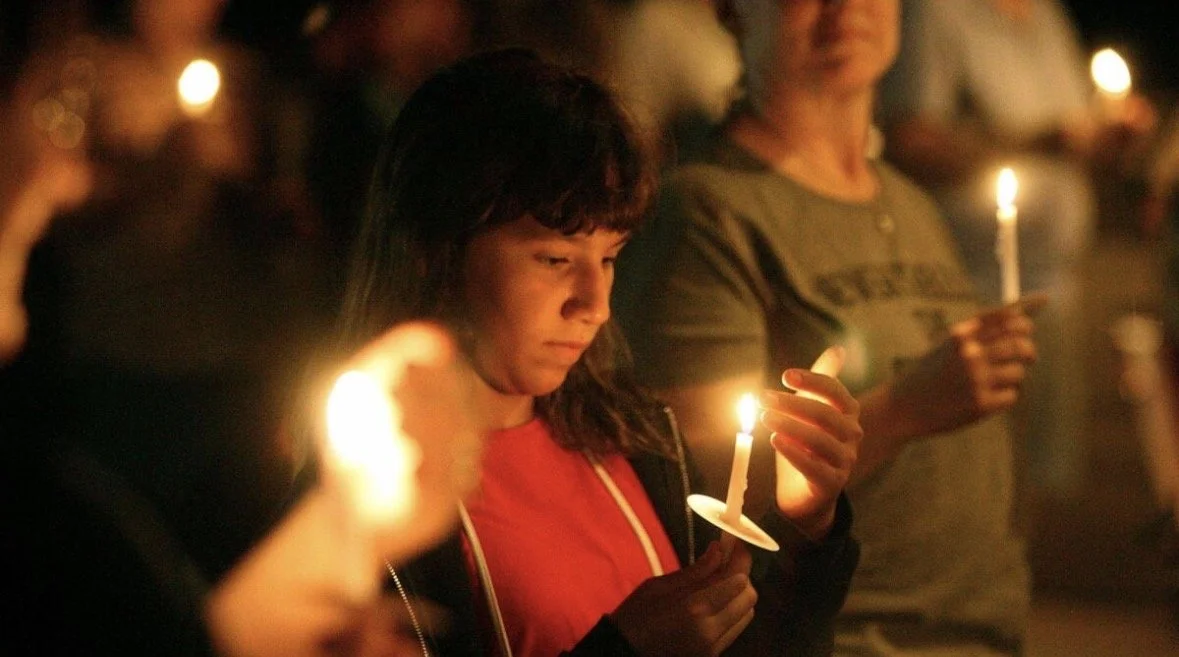
🕯️ Families and communities left to grieve outside locked gates
🏛️ What’s being done — and what isn’t
Following deaths in custody, ICE typically conducts internal reviews. Findings are often delayed, limited, or partially redacted. Criminal prosecutions of staff or contractors are exceedingly rare.
What has happened:
Additional reporting requirements
Public statements acknowledging concern
Incremental policy language changes
What has not happened:
Independent medical oversight with enforcement power
Automatic external investigations after deaths
Contractor bans tied to repeated fatalities
Binding emergency response standards with consequences
In systems like this, what goes unpunished becomes routine.
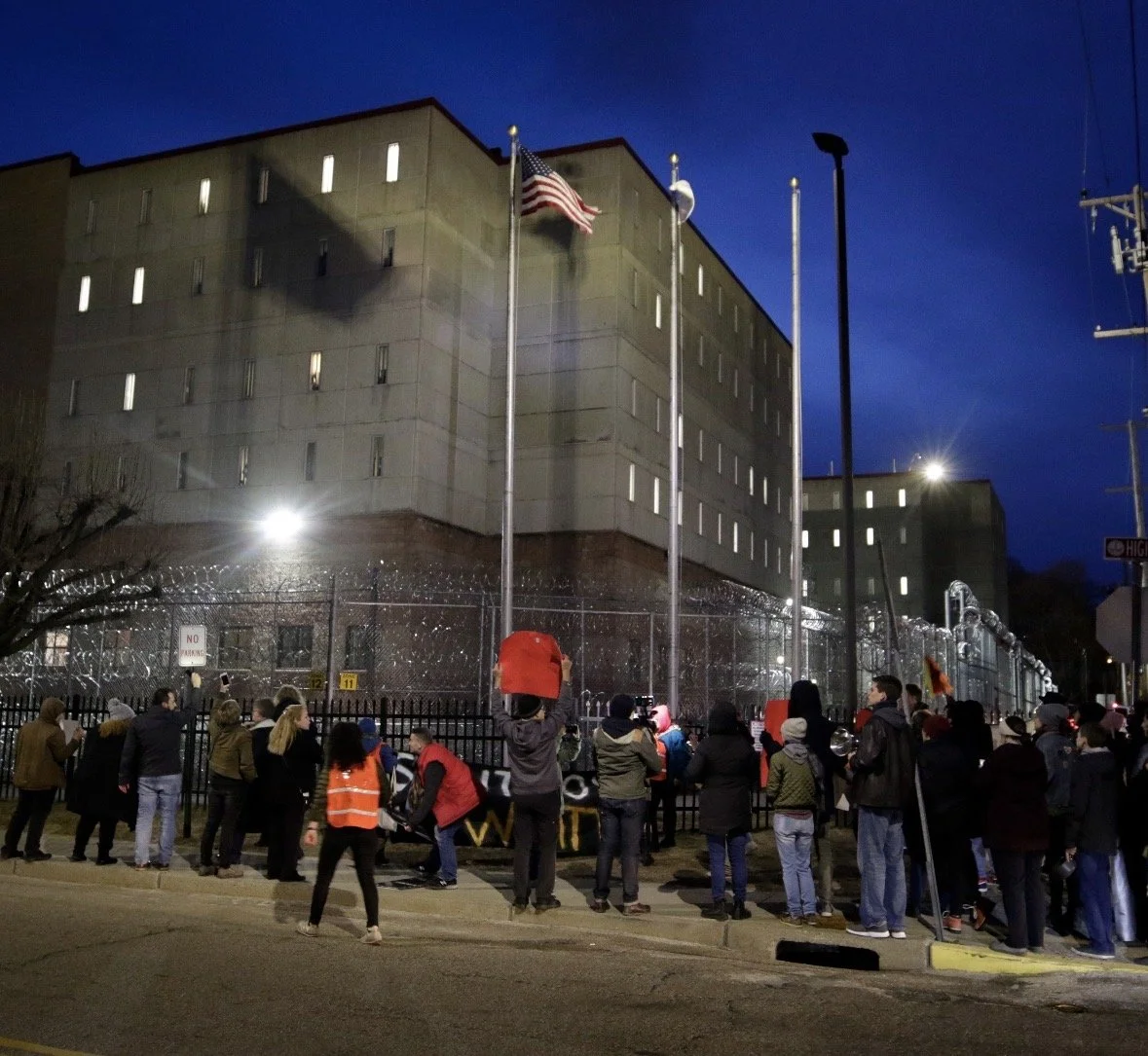
🏛️ Detention continues as deaths are absorbed as incidents
🧭 Do people care?
Families care.
Advocates care.
Some medical staff and officers care.
But the system does not change, because deaths in custody:
Do not halt funding
Do not pause detention operations
Rarely produce accountability
The machinery keeps moving, even when people don’t survive it.
🕯️ Remembering the dead
Behind the number 31 are individual lives — people with families, histories, and futures that did not end by choice.
Some names are publicly known. Others remain withheld or delayed by bureaucracy. But every one of them mattered.
This article is written in recognition of those lives — not as statistics, not as case numbers, but as human beings who were owed safety while under government control.
May they be remembered with honesty.
May their families find answers.
And may the system be forced, one day, to account for every life it takes into its custody.
Not for clicks — for clarity.
— Elliott Carterr, LFTG Radio
📱 TikTok: @elliott_carterr ↗
📺 YouTube: @lftgradio ↗
🌐 Website: LFTGRadio.com ↗
⚖️ The Gutter Justice Project ↗
❤️ Support the work: LFTGRadio.com/donate ↗
