
🧾 The Gutter Report: Forty Years Without a Wound — Part II
What the Trial Record, Post-Verdict Motions, and Sentencing Reveal About the Case Against Quashar Neil
Onondaga County, New York — In Part I, The Gutter Report: Forty Years Without a Wound — Inside the Case of Quashar Neil examined the surface facts of Quashar Neil’s conviction — a 40-years-to-life sentence for attempted murder where no officer was struck, no civilian was injured, and no eyewitness testified to seeing Quashar Neil fire a weapon.
Part II moves past the headline and into the trial and post-trial record itself.
What follows is not an argument for innocence.
It is an examination of how this conviction was sustained — procedurally, evidentiary, and legally — once the jury left the room.

🖤 Quashar Neil pictured with his partner, who has remained supportive through his incarceration.
⚖️ The Conviction Stood — But Not Because the Questions Were Answered
After the jury returned guilty verdicts, the defense filed a CPL §330.30 motion seeking to set aside the verdict.
That motion did not argue emotion.
It argued law — specifically:
Witness coercion and credibility
Brady obligations related to a cooperating witness
Prejudicial exposure of incarceration to the jury
The absence of direct evidence tying Neil to the shooting
Failure to submit a lesser-included offense to the jury
The court denied the motion in full — but critically, not because the concerns were disproven.
The denial rested on a single standard:
Whether any issue, if raised on appeal, would require reversal as a matter of law.
That distinction matters.
👁️ No Eyewitness — Still
The post-verdict record confirms what the trial already showed:
No witness testified to seeing Quashar Neil fire a gun
No witness placed him in the driver’s seat at the moment shots were fired
No witness identified him leaning from a window with a weapon
No physical evidence showed he discharged a firearm
The state’s case relied on inference, not observation — and the court acknowledged that inference was the jury’s to accept or reject.
The verdict was upheld because a jury could infer guilt, not because the facts compelled it.
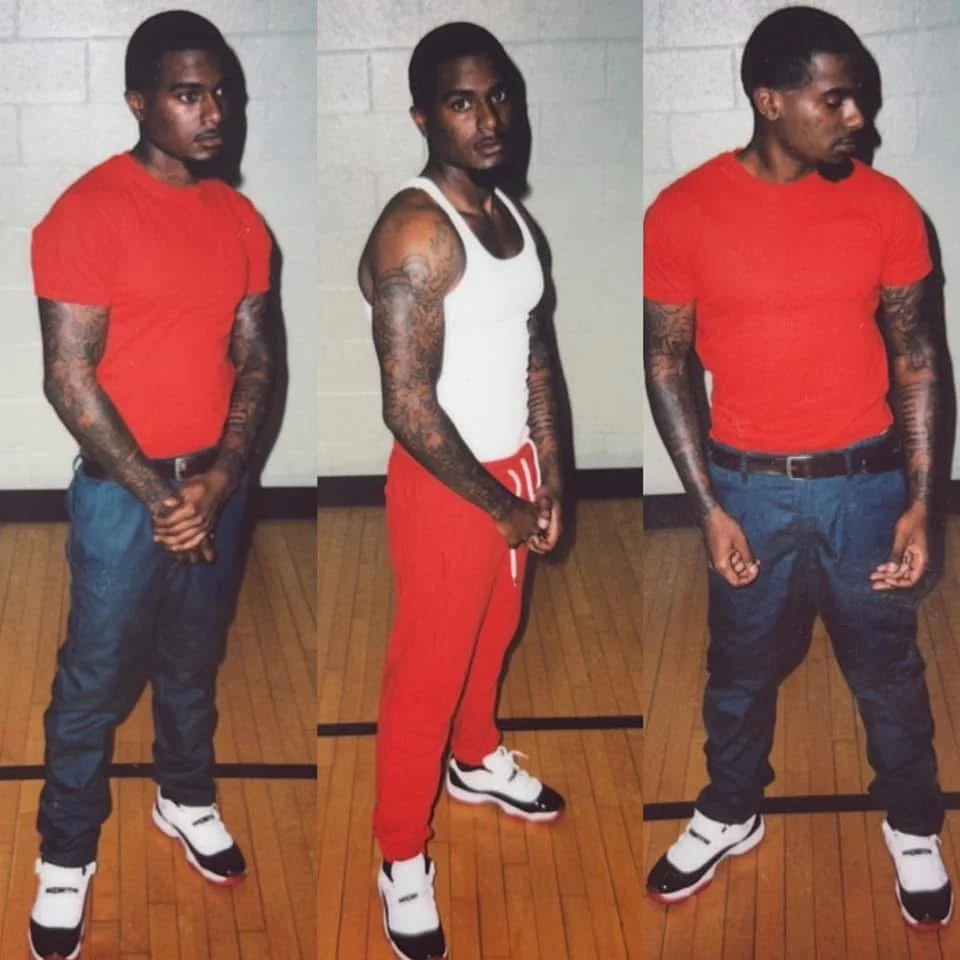
⛓️ Quashar Neil during his incarceration.
🧑🏾⚖️ Testimony Under Pressure
The trial and sentencing record confirms a sequence the jury was never asked to fully weigh:
A female witness initially refused to testify
She invoked the Fifth Amendment
She was jailed for contempt
She returned to court the next day and testified only within the “four corners” of her Grand Jury testimony
She was granted immunity but barred from deviating from prior statements
Defense counsel argued this deprived the jury of the ability to assess whether her trial testimony differed from earlier versions, including statements involving other individuals.
The court rejected this challenge — not by validating the testimony, but by deferring to the jury’s credibility determination.
In short:
The issue was not resolved. It was bypassed.
🧾 The Missing Witness and the Brady Question
One of the most consequential post-verdict disputes involved a cooperating witness who was listed but never called at trial.
The defense asserted:
The witness had a cooperation agreement
That agreement required testimony in this case
The witness did not testify
Any breach or refusal would constitute Brady material
The defense prepared its opening anticipating that testimony
The prosecution responded that the decision not to call the witness was a “strategic decision,” and the court accepted that explanation.
No hearing was held.
No inquiry was made into whether the agreement was breached before trial.
The verdict stood without the question ever being resolved.
🔒 The Jury Knew He Was Incarcerated
The defense also challenged the admission of jail visitation logs, arguing they unmistakably informed the jury that Neil was incarcerated — undermining the presumption of innocence.
The court acknowledged the risk but relied on limiting instructions, telling jurors to disregard the fact of incarceration.
On paper, that cured the issue.
In reality, the record shows the jury was repeatedly exposed to custodial context — a fact even Neil himself addressed at sentencing.
Again, the issue was not corrected.
It was deemed legally tolerable.
🧠 The Lesser-Included Offense That Never Came
Perhaps the most concrete procedural issue raised — and preserved — involved the defense request for a lesser-included offense.
Neil personally stated on the record that:
He asked for reckless endangerment to be submitted
The request was deferred
It was never revisited
The jury was never given the option
The court rejected this argument post-verdict on procedural grounds — citing notice requirements — without addressing whether the facts warranted submission.
That issue now lives entirely in post-conviction space.
⛓️ Sentencing: Where Discretion Ends
At sentencing, the contrast became stark:
40 years to life imposed
No physical injury
No recovered weapon tied directly to Neil at the scene
No eyewitness identification
The prosecution emphasized officer trauma and prior history.
The defense emphasized age, evidence gaps, and proportionality.
The court acknowledged the severity — and imposed the sentence anyway.
Not because the case was airtight.
But because the law allowed it.

👥 Quashar Neil pictured before incarceration with his family.
🧩 What Part II Establishes
This case did not survive scrutiny because the questions disappeared.
It survived because the legal system does not require those questions to be answered once a jury convicts.
Part II shows:
How procedural deference replaces factual certainty
How credibility determinations shield unresolved coercion
How Brady disputes can die without hearings
How inference can outweigh absence
How 40 years can stand without a wound
📌 Why This Matters Beyond One Case
Quashar Neil’s case now sits where many others do:
Conviction final
Questions preserved
Accountability deferred
That is not unique.
That is the pattern.
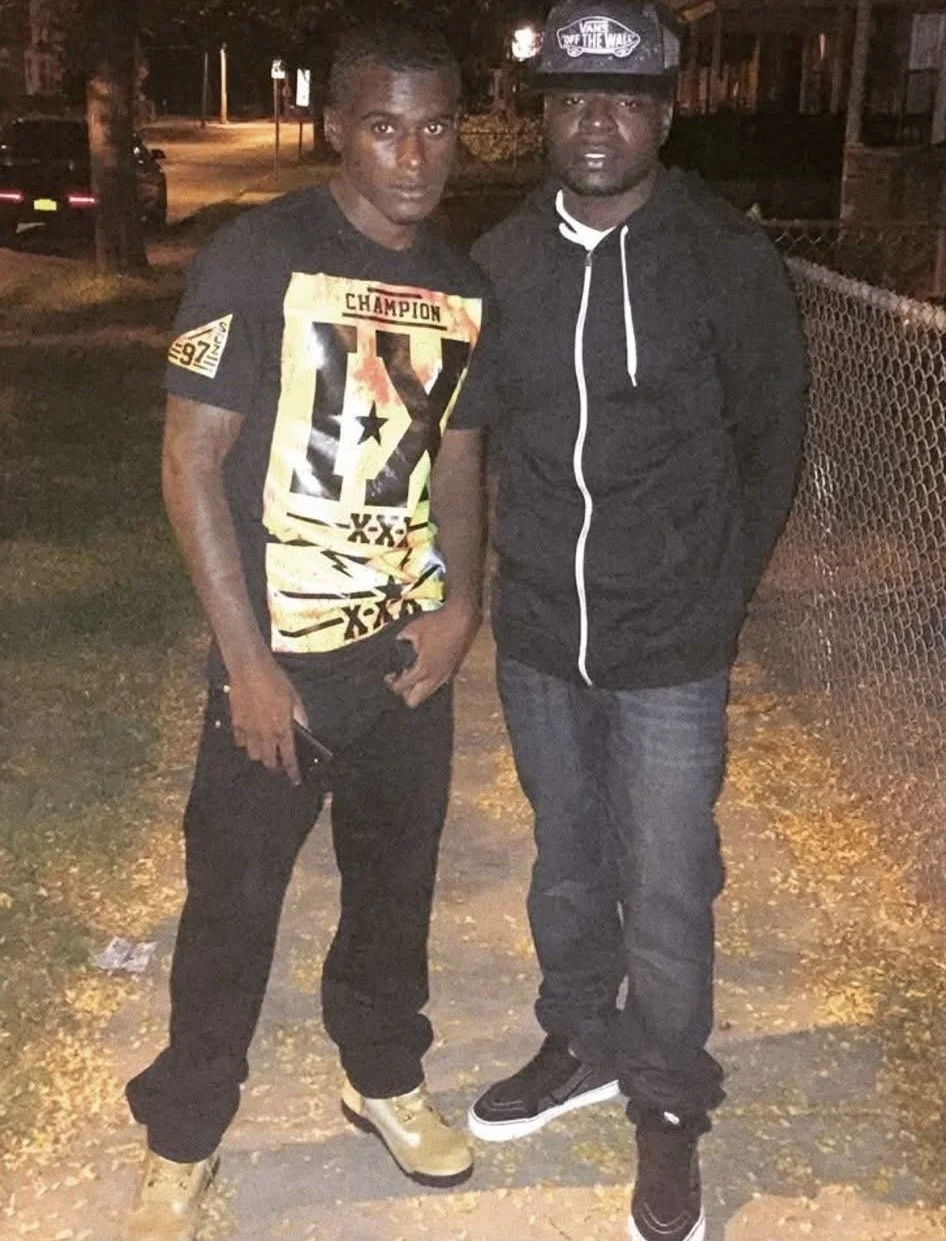
💛 Quashar Neil pictured with a good friend.
🎙️ What Comes Next: A Conversation With Quashar Neil
The court record now speaks for itself.
But records do not speak for the people living inside them.
In Part III, The Gutter Report will publish a direct interview with Quashar Neil, conducted from inside prison, allowing him to speak in his own words — not to relitigate his conviction, but to address:
What it means to receive 40 years to life without a single wound
How he experienced the trial and post-verdict process
What questions he believes were never answered
And how he understands accountability, guilt, and justice today
This interview will not contradict the record.
It will exist alongside it.
Because once the courts are finished,
the human story does not end.
Part III: An Interview With Quashar Neil — coming next.
Not for clicks — for clarity.
— Elliott Carterr, LFTG Radio
📱 TikTok: @elliott_carterr ↗
📺 YouTube: @lftgradio ↗
🌐 Website: LFTGRadio.com ↗
⚖️ The Gutter Justice Project ↗
❤️ Support the work: LFTGRadio.com/donate ↗
