
⚖️ The Gutter Report: From Anthony Casellas To Jose Rodriguez — Why The Jay Act Initiative Is Demanding Jaifa Collado’s Removal
Advocates say years of warnings, allegations of abuse, retaliation concerns, and unanswered questions have brought them to a breaking point
New York State — For Stephanie Harris and the Jay Act Advocacy & Legal Reform Initiative, the demand for Jaifa Collado’s removal extends far beyond a single complaint.
Harris argues that Collado has become the embodiment of everything advocates have spent years fighting against inside New York’s prison system.
In correspondence sent directly to DOCCS leadership, Harris described Collado as being at the forefront of what advocates believe is a culture of retaliation, intimidation, and institutional abuse that has harmed incarcerated individuals and their families for years.
The organization further argues that Collado does not embody Commissioner Daniel Martuscello’s publicly stated commitment to a humane approach to incarceration.
Instead, advocates believe her continued presence in one of the highest leadership positions within the department undermines confidence in meaningful reform, accountability, and transparency.
For the Jay Act Initiative, the demand for removal is not simply about the past.
It is about the future direction of New York’s prison system.
According to Harris, more than 1,033 incarcerated individuals and family members have aligned themselves with calls for greater accountability within the department.
For supporters of the movement, this is no longer about isolated complaints.
It is about a system they believe has repeatedly failed the people entrusted to its care.

⚖️ Jaifa Collado, Executive Deputy Commissioner of NY DOCCS.
🧾 The Case Advocates Say Started It All
When Stephanie Harris publicly demanded Collado’s resignation, she did not begin with recent headlines.
She began with a name.
Anthony Casellas.
According to Harris, the Anthony Casellas case remains one of the primary reasons the Jay Act Initiative is demanding Collado’s removal.
Harris alleges that Casellas was assaulted at Green Haven Correctional Facility in 2015 while Collado served as Deputy Superintendent for Programs. She further argues that the incident left Casellas permanently disfigured and became an example of what advocates believe was a broader culture of retaliation and intimidation inside the facility.
In formal correspondence sent directly to Collado and senior DOCCS officials, Harris referenced the case while asking a direct question:
“Do you remember Anthony Casellas?”
For the Jay Act Initiative, the question was not rhetorical.
Advocates view Casellas as a defining example of why they believe accountability remains overdue.
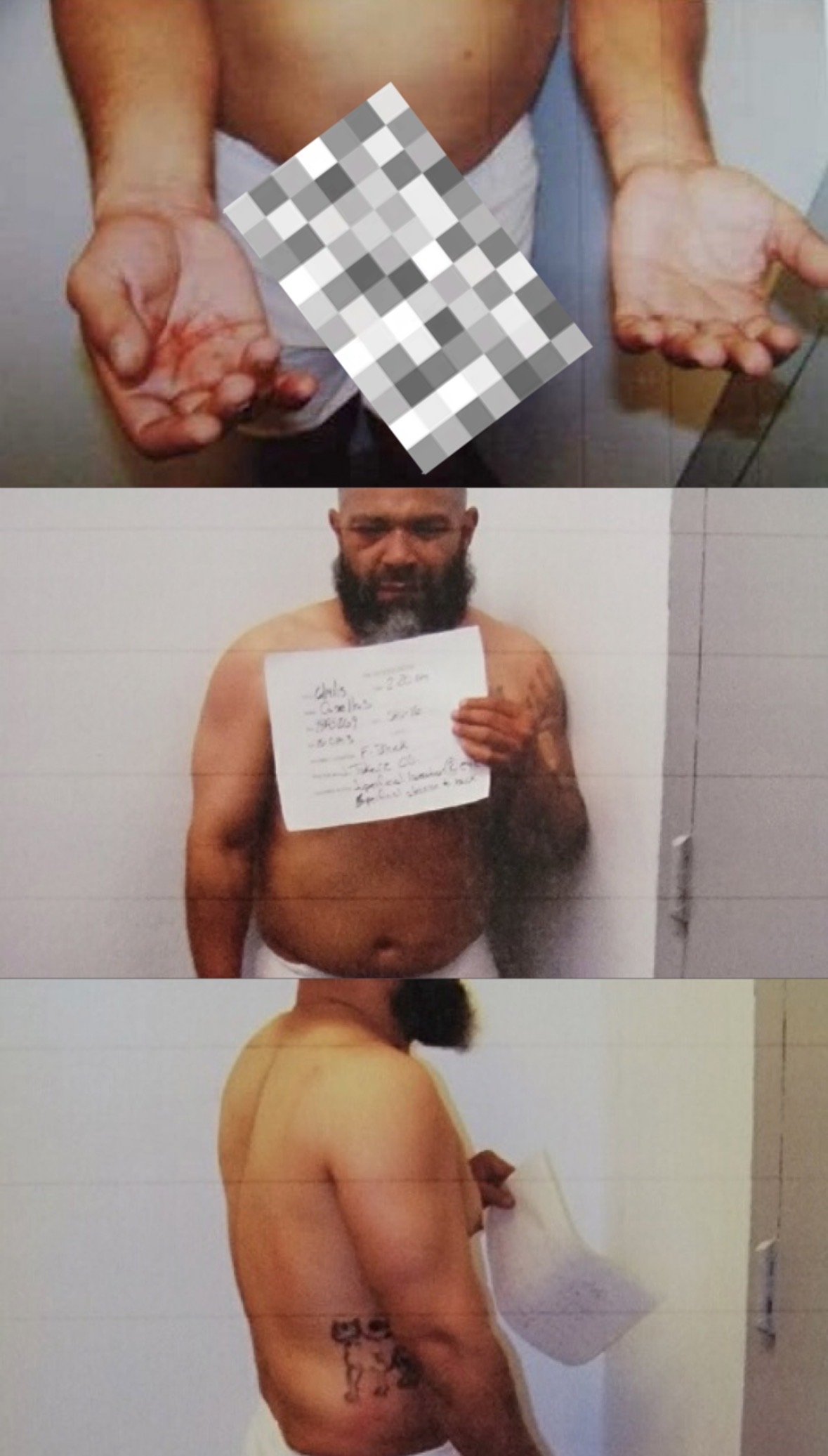
🩹 Photographs provided to the Jay Act Initiative that advocates say document injuries sustained by Anthony Casellas following the 2015 Green Haven incident.
According to Stephanie Harris, the photographs remain among the most powerful pieces of evidence cited by advocates calling for Collado’s removal.
Harris argues that the images serve as a visual reminder of what supporters of the movement describe as the human cost of retaliation, intimidation, and abuse inside correctional facilities.
For advocates, the photographs are not simply historical records.
They are a reminder of why families continue demanding accountability and why the Anthony Casellas case remains central to the movement’s concerns regarding Jaifa Collado’s leadership.
According to Harris, the injuries suffered by Casellas and the circumstances surrounding the incident remain among the reasons she believes Collado should no longer hold one of the highest positions within New York’s prison system.
For supporters of the movement, Anthony Casellas is not simply a chapter from the past.
He is where many of their concerns begin.
💛 The Jose Rodriguez Case
If Anthony Casellas represents the past, advocates say Jose Rodriguez represents the present.
The most prominent case cited by advocates remains that of Jose Rodriguez, the incarcerated cancer patient whose circumstances inspired the creation of the Jay Act movement.
According to emails sent by Stephanie Harris to senior DOCCS officials, Rodriguez’s family repeatedly raised concerns regarding medical treatment, housing conditions, communication failures, and continuity of care at Green Haven Correctional Facility.
One email references assurances allegedly made by DOCCS leadership that Rodriguez’s case would receive direct oversight.
However, advocates later reported continued concerns involving communication failures surrounding a scheduled telehealth appointment, deteriorating infirmary conditions, and ongoing difficulties obtaining information regarding his treatment and recovery.
In one email, Harris directly questioned why Rodriguez was reportedly never properly notified about a scheduled medical appointment despite prior assurances that his care was a priority.
For advocates, the issue extends far beyond a single missed appointment.
They argue the Rodriguez case demonstrates what can happen when families are forced to become investigators, advocates, and watchdogs simply to ensure a seriously ill loved one receives consistent medical attention.
For the Jay Act Initiative, Rodriguez’s case reinforced a belief that the accountability concerns raised years earlier had never truly been addressed.
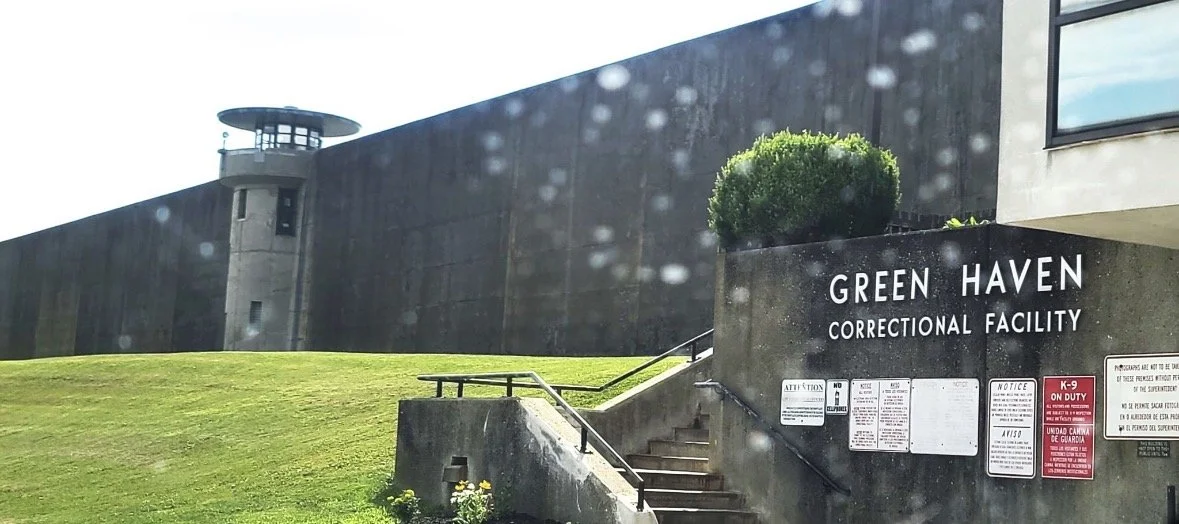
🏥 Green Haven Correctional Facility, where advocates say serious concerns surrounding Jose Rodriguez’s care continue to raise questions.
📋 A Pattern Advocates Say Cannot Be Ignored
The Jay Act Initiative argues that the concerns surrounding Casellas and Rodriguez do not exist in isolation.
Correspondence reviewed by The Gutter Report shows advocates repeatedly notifying DOCCS leadership regarding concerns involving incarcerated individuals at Green Haven, Five Points, and Attica Correctional Facilities.
Those communications included allegations involving medical care, retaliation concerns, communication failures, continuity of treatment, grievance interference, and conditions of confinement.
One complaint involved Devon Bristol at Five Points Correctional Facility, where advocates raised concerns regarding alleged retaliation after grievances were filed and questions surrounding access to medical care.
Another involved Michael Wales at Attica Correctional Facility, where advocates documented concerns regarding ongoing medical issues, delays in care, and what they described as failures in communication and follow-up treatment.
For supporters of the movement, the significance lies not in any single complaint but in what they view as a pattern of concerns emerging from multiple facilities throughout the system.
Advocates argue that when the same categories of complaints continue surfacing from different prisons, leadership can no longer dismiss those concerns as isolated incidents.
⚖️ Why The Jay Act Initiative Says Leadership Must Change
For Stephanie Harris, the issue is larger than Anthony Casellas, Jose Rodriguez, or any single complaint.
Harris argues that Jaifa Collado has become the face of what advocates believe is a culture of retaliation, intimidation, and institutional indifference that has damaged trust between incarcerated individuals, their families, and the department itself.
The Jay Act Initiative further argues that Collado does not embody Commissioner Daniel Martuscello’s stated commitment to a more humane approach to incarceration.
Instead, advocates believe her continued leadership role sends the wrong message to incarcerated individuals and families who have spent years raising concerns about abuse, medical neglect, retaliation, and accountability.
The organization argues that a department committed to transparency cannot ignore repeated complaints involving retaliation.
A department committed to accountability cannot ignore repeated warnings from families and advocates.
And a department committed to humane incarceration must ensure that incarcerated individuals are treated with dignity, receive appropriate medical care, and have meaningful avenues to raise concerns without fear of retaliation.
For supporters of the movement, meaningful reform requires leadership that reflects the values being promoted publicly.
They argue those values cannot coexist with the concerns they have raised regarding Collado’s tenure.
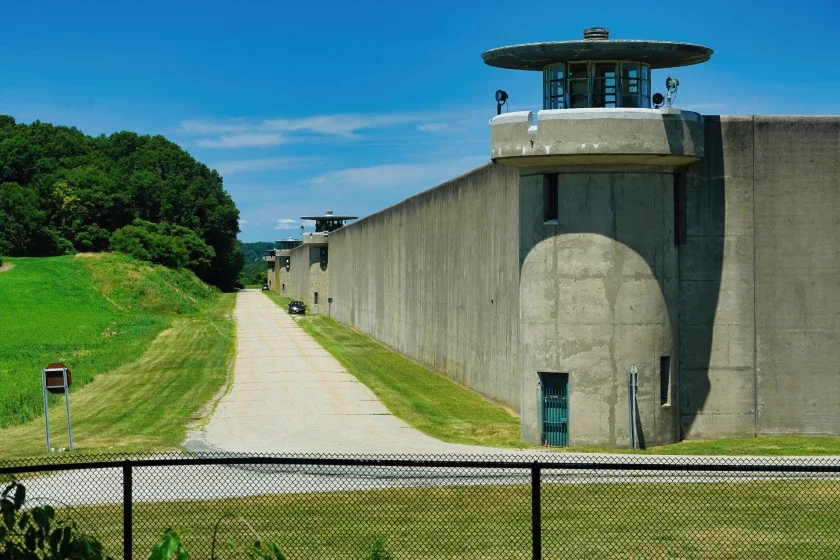
🔎 Advocates argue Green Haven has become a symbol of broader accountability concerns within New York’s prison system.
🔎 The Fight Continues
The Jay Act Advocacy & Legal Reform Initiative says it will continue documenting complaints, preserving records, amplifying families, and pushing for greater oversight throughout New York’s prison system.
Advocates believe the cases of Anthony Casellas and Jose Rodriguez represent two chapters of the same story — one that spans years, multiple facilities, and countless families seeking answers.
Whether NY DOCCS leadership agrees with those concerns remains to be seen.
What is clear is that the movement behind the Jay Act has no intention of remaining silent.
From Anthony Casellas to Jose Rodriguez, advocates say the same question remains:
How many warnings must be issued before accountability begins?
The Gutter Report reached out for comment and will update this story if responses are received from NY DOCCS or representatives of Jaifa Collado
Not for clicks — for clarity.
— Elliott Carterr, LFTG Radio
📱 TikTok: @elliott_carterr ↗
📺 YouTube: @lftgradio ↗
🌐 Website: LFTGRadio.com ↗
⚖️ The Gutter Justice Project ↗
❤️ Support the work: LFTGRadio.com/donate ↗
