
⚖️ The Gutter Report: Two Queens Murder Cases Return To Court — One Built On DNA, One Marked By Family Tragedy
As proceedings continue inside Queens Criminal Court on Wednesday, two very different murder cases are once again appearing on the Queens District Attorney’s calendar — one involving a 15-year-old cold case solved through forensic genealogy, and another centered around the alleged killing of a 15-month-old child inside a Jamaica, Queens home
Queens, New York — According to the public court calendar released by the Queens District Attorney’s Office for May 27, both People v. Anthony Scalici and People v. Nicole Boodhai were scheduled for appearances tied to second-degree murder charges.
The two cases are unrelated, but together they highlight the very different ways homicide investigations are unfolding in modern New York City — from advanced DNA technology cracking decade-old mysteries to deeply personal family tragedies unfolding in real time.
🧬 A Queens Cold Case Allegedly Solved By A Discarded Fork
The Anthony Scalici case traces back to February 10, 2009, when police responded to a disturbance call at 20-31 Greene Avenue in Ridgewood, Queens.
Inside the home, officers discovered 64-year-old Rosario Prestigiacomo lying face down in a pool of blood. Investigators said blood covered portions of the walls and hallway of the residence. Prosecutors allege Prestigiacomo had been stabbed 16 times across the face, neck, torso, and extremities while also suffering blunt-force trauma injuries.
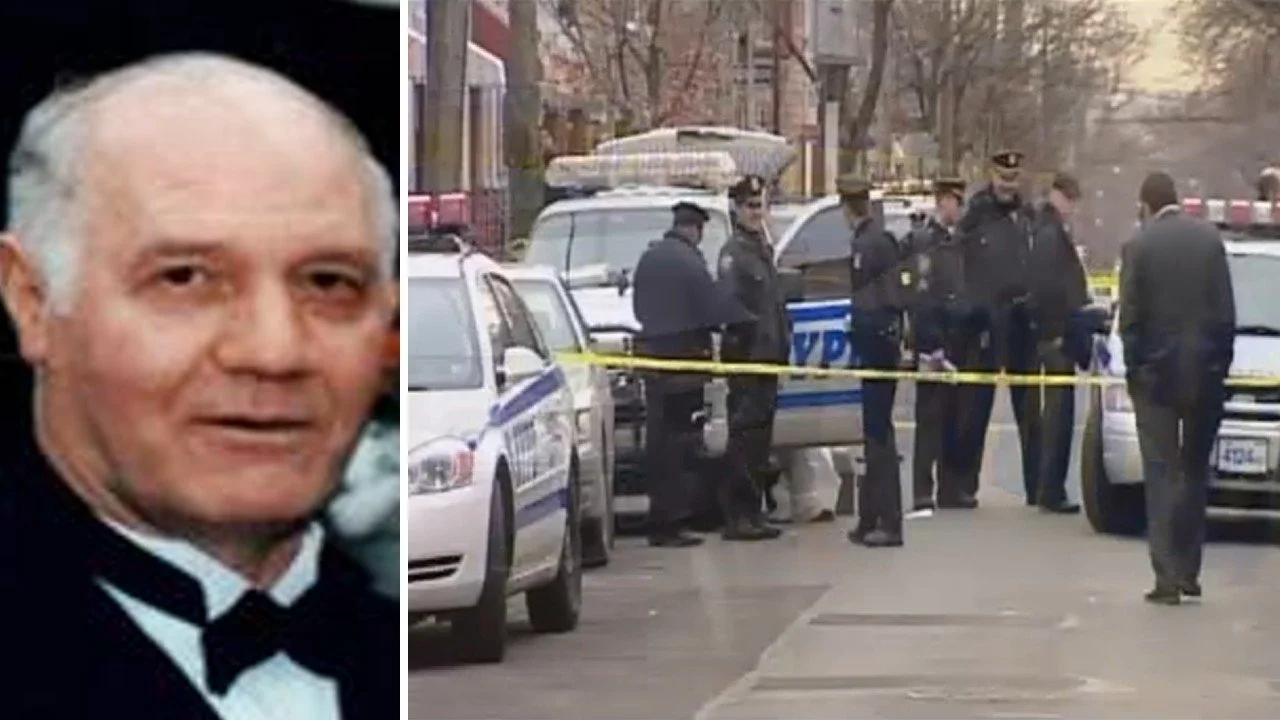
🚔 NYPD investigators gather outside the Ridgewood home where 64-year-old Rosario Prestigiacomo was found stabbed to death in a case that remained unsolved for more than 15 years.
According to a Queens District Attorney’s Office announcement, crime scene investigators recovered DNA belonging to an unidentified male from blood evidence and from underneath the victim’s fingernails, but the case remained unsolved for years.
Authorities later turned to forensic genetic genealogy — the investigative technique that uses genealogy databases and family-tree analysis to identify possible suspects through relatives’ DNA profiles.
The investigation eventually led detectives to Anthony Scalici, the victim’s nephew, who had relocated to Boynton Beach, Florida.
Then came the detail that pushed the case into national headlines.
According to both the Queens DA’s Office and a CBS News report, investigators conducting surveillance in Florida allegedly recovered a fork used by Scalici at a restaurant. Prosecutors say DNA recovered from the discarded utensil matched DNA collected from the 2009 homicide scene.
Queens prosecutors described the arrest as the first New York City homicide case solved through public genealogy databases.
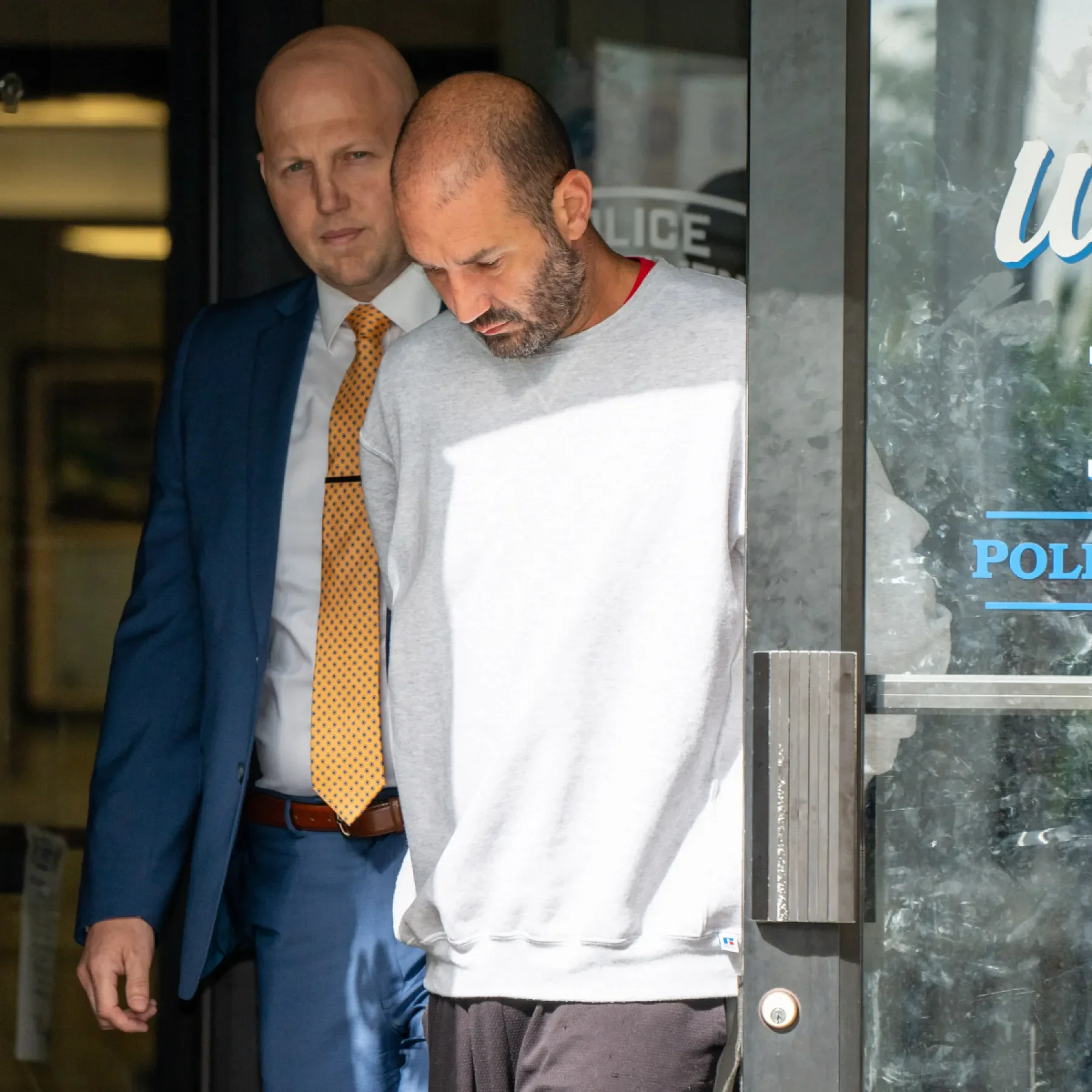
🧬 Anthony Scalici, pictured after his arrest, is accused in the 2009 stabbing death of his uncle Rosario Prestigiacomo — a cold case prosecutors say was solved through forensic genealogy and DNA recovered from a discarded fork.
Scalici has pleaded not guilty to the murder charge. A motive for Prestigiacomo’s killing has not been publicly established.
🧸 A 15-Month-Old Child Dead Inside A Queens Home
The second case on Wednesday’s calendar involves Nicole Boodhai, a 28-year-old Queens woman accused of killing her 15-month-old son, Charlie Ramraykha, inside a family residence near 157th Street in Jamaica, Queens.
According to a Queens DA indictment announcement, the child’s father left for work during the morning hours of December 29, 2025, while Boodhai and the toddler remained inside the home. Other relatives were reportedly elsewhere in the residence.
Prosecutors allege that shortly before 1:35 p.m., Boodhai contacted the child’s father and stated that she had killed the child and intended to kill herself.
Family members allegedly forced entry into a locked bathroom where they discovered Boodhai in a bathtub alongside the unresponsive child.
Police responding to the residence reportedly found Charlie unconscious and unresponsive while Boodhai allegedly suffered injuries to her wrists. Both were transported to Jamaica Hospital, where the child was pronounced dead.
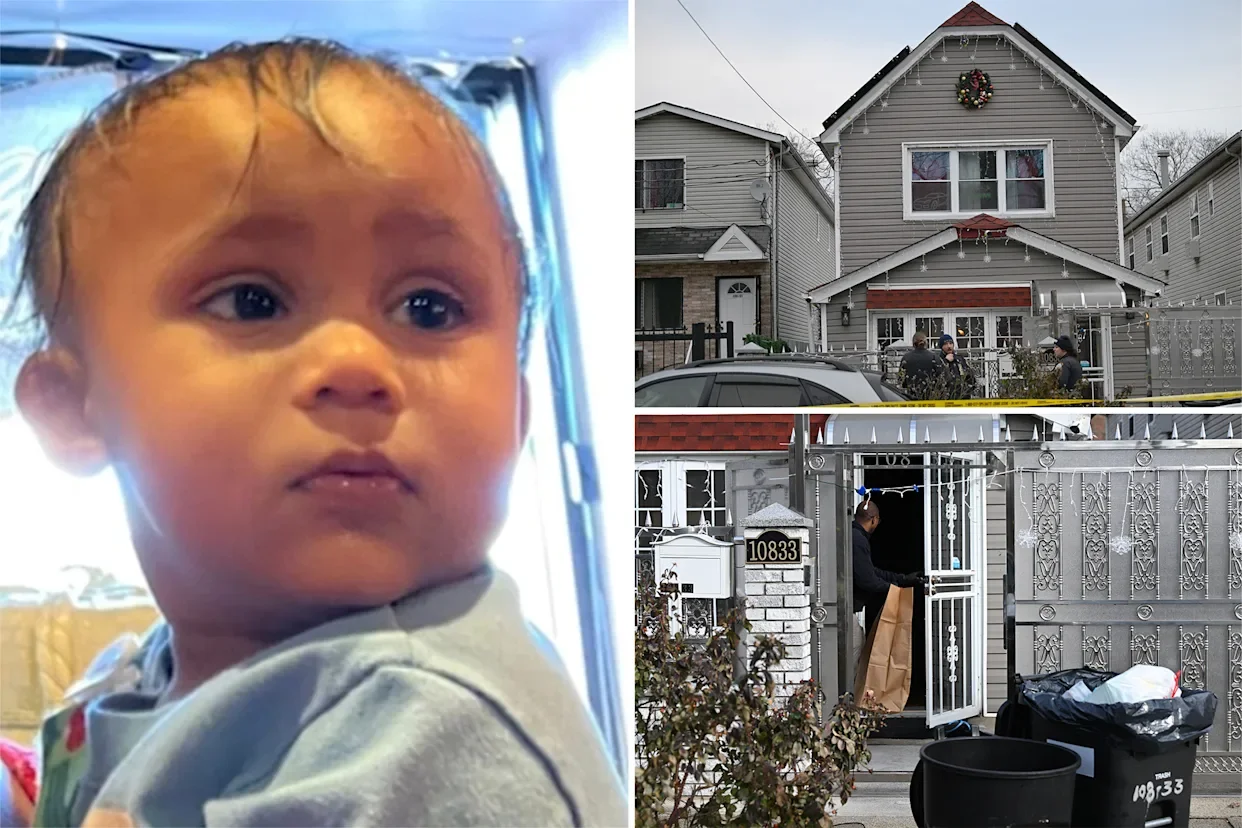
🧸 15-month-old Charlie Ramraykha, pictured alongside the Jamaica, Queens home where prosecutors allege he was killed in a case that shocked the surrounding community.
According to a News 12 report, neighbors and community members were left stunned by the allegations, describing the situation as heartbreaking and difficult to process.
Queens District Attorney Melinda Katz described the child’s death as an “extraordinary tragedy,” stating that Charlie had been described by relatives as healthy and energetic before his death.
Boodhai was later indicted on second-degree murder charges and faces up to 25 years to life in prison if convicted.
🏛️ Two Cases, Two Very Different Realities
Although both defendants now face the same top charge — second-degree murder — the paths leading to these Queens courtrooms could not be more different.
One case centers around evolving forensic science, genetic genealogy, and a homicide investigation that survived for more than a decade before technology allegedly reopened the door to prosecution.
The other revolves around a devastating allegation involving family trauma, a possible mental health crisis, and the death of a toddler inside what prosecutors describe as a family home.
Both now move through the same courthouse system — one built on DNA recovered from a discarded fork years later, the other built around allegations stemming from a phone call made moments before police arrived.
And on Wednesday morning in Queens Criminal Court, both cases continued forward side by side.
Not for clicks — for clarity.
— Elliott Carterr, LFTG Radio
📱 TikTok: @elliott_carterr ↗
📺 YouTube: @lftgradio ↗
🌐 Website: LFTGRadio.com ↗
⚖️ The Gutter Justice Project ↗
❤️ Support the work: LFTGRadio.com/donate ↗
