
🧩 The Gutter Report: NYC Praises Violence Interrupters While Controversies Continue Behind The Scenes
As New York City invests millions into anti-violence programs, courtroom testimony, violent allegations, and growing criticism are reigniting difficult questions about credibility, rehabilitation, professionalism, and public trust
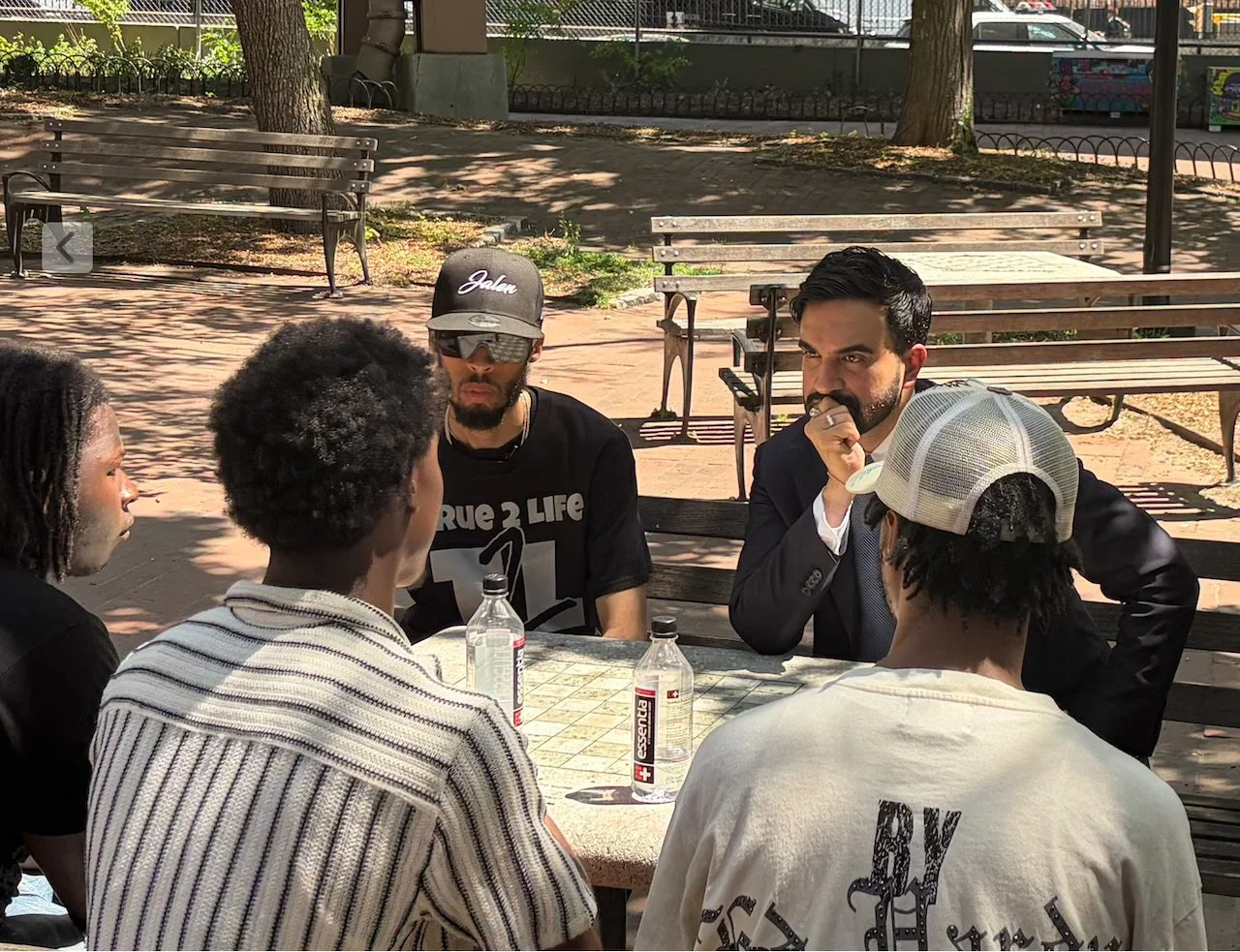
🫱🏽🫲🏾 Mayor Zohran Mamdani sits with Staten Island youth advocates and True2Life members during a public discussion on violence prevention, mentorship, and the city’s summer anti-violence strategy.
New York City - New York City has invested millions of taxpayer dollars into violence interruption and anti-gun initiatives built around one controversial but powerful idea:
Who better to stop street violence than people who once lived inside it?
Across the city, violence interrupter programs and community organizations increasingly rely on former gang members, ex-felons, and individuals with real street credibility to mediate conflicts, calm retaliation, and prevent shootings before they happen.
Supporters say those backgrounds are exactly what make these programs effective.
Critics argue those same backgrounds can also create contradictions that become impossible to ignore once violence, allegations, old street politics, or questions about professionalism begin resurfacing around the people tied to those spaces.
And now, one violent incident in the Bronx — combined with growing public attention surrounding Staten Island’s True2Life organization — has reignited that debate citywide.
⚖️ A Violence Interrupter Accused Of Violence
According to a recent New York Post report, a former worker connected to Bronx Rises Against Gun Violence — also known as B.R.A.G. — was being sought by investigators after allegedly slashing a 38-year-old man near the organization’s office on Boston Road in the Bronx earlier this month.
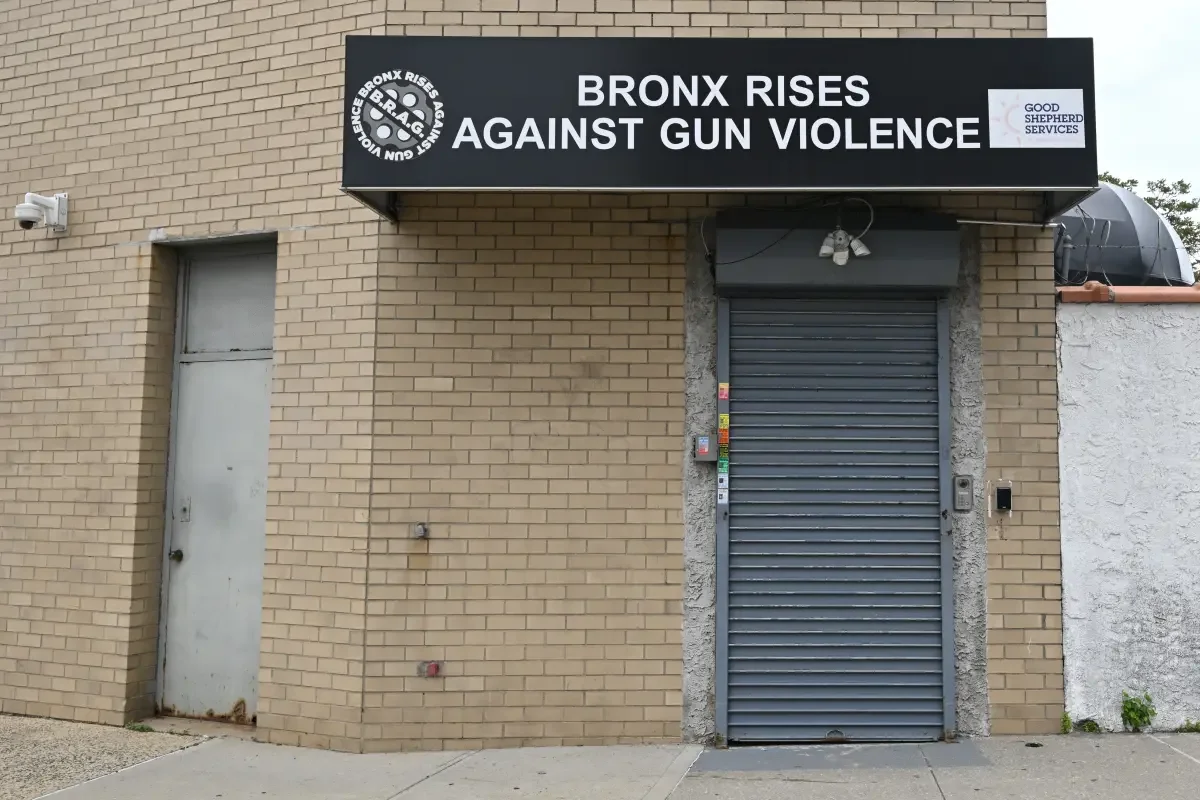
🏢 Bronx Rises Against Gun Violence headquarters in the Bronx, where NYPD investigators reportedly searched for a violence interrupter wanted in connection to a violent slashing investigation.
The victim reportedly told police he was walking toward a deli when a man approached him from behind and slashed his cheek and chin before fleeing alongside several other men allegedly connected to the anti-violence group.
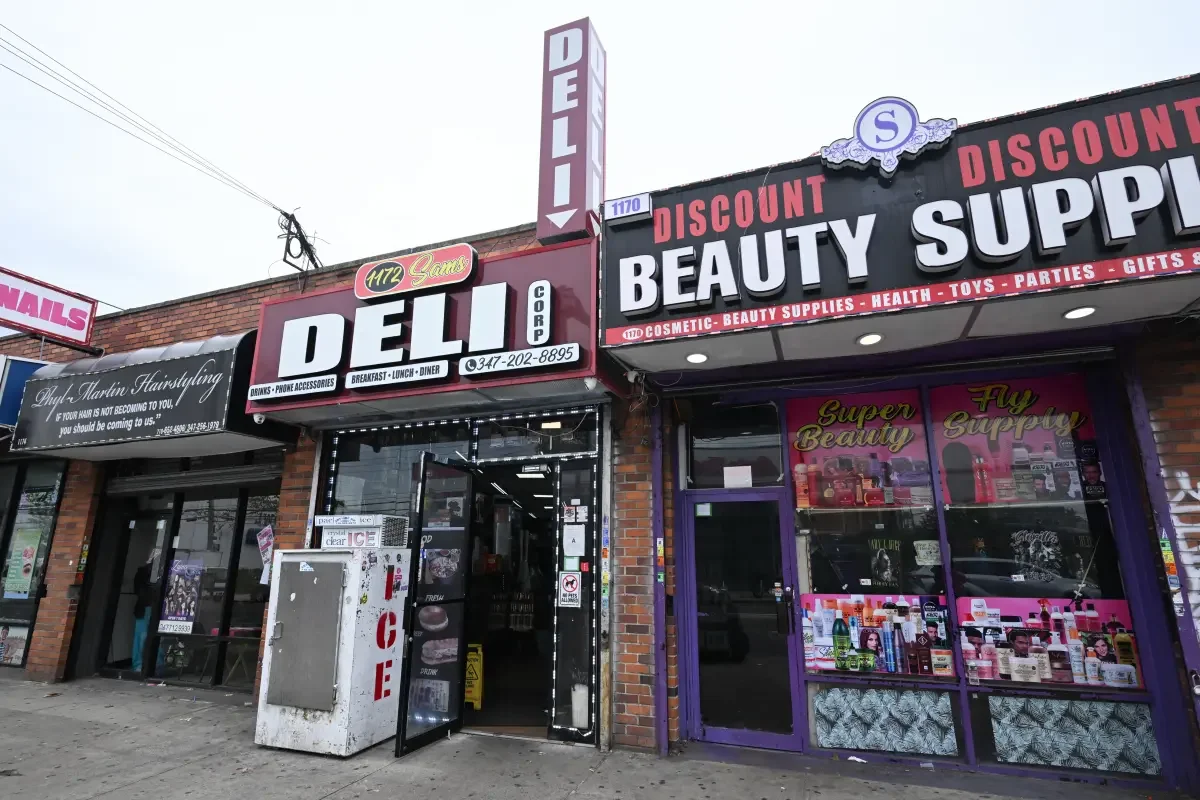
🏪 The Bronx deli area near Boston Road where police say a 38-year-old man was allegedly slashed in an incident tied to individuals connected to an anti-violence organization.
According to the report, investigators later attempted to enter the organization’s headquarters while searching for the suspect but were allegedly told:
“We don’t work with police.”
The article also reported the individual being investigated had previously faced two separate murder cases before later becoming involved in anti-violence work.
The incident immediately exploded online because for critics, the optics were difficult to ignore:
How does somebody publicly tied to stopping violence end up connected to allegations of violence themselves?
But supporters of violence interruption programs argue the controversy also exposes an uncomfortable reality many people ignore:
The individuals capable of reaching dangerous environments are often people who once survived inside them.
And on Staten Island, similar contradictions have sparked debate for years.
🏝️ Mayor Mamdani Highlights True2Life
The debate intensified even further this week after Mayor Zohran Mamdani publicly met with Staten Island violence interrupter organization True2Life ahead of the summer months — a period historically associated with spikes in youth violence across New York City.
According to a recent Staten Island Advance report, Mamdani praised the organization’s work and described street violence as a citywide crisis requiring deeper investment and support.
“I think the work that you do … makes it clear that this is a crisis across the city, and there’s a lot more the city has to do to actually meet you halfway,” Mamdani said.
The city-funded organization operates as part of New York City’s Crisis Management System and focuses on violence prevention, conflict mediation, mentorship, and youth outreach in neighborhoods affected by poverty, trauma, and long-standing cycles of violence.
Featured heavily throughout the public service announcement was True2Life Program Director Mike Perry, who openly discussed his own violent past growing up on Staten Island’s North Shore before transitioning into community advocacy.
“It’s late night conversations, it’s sacrifices that we make to interrupt violence,” Perry said in the video.
The segment also featured several young men connected to the organization speaking candidly about witnessing killings at early ages, becoming desensitized to violence, and how winter disputes often escalate into deadly summer retaliation once people “come outside with a gun.”
The message presented throughout the video was ultimately one of redemption, mentorship, emotional vulnerability, and community healing.
But for some critics and observers familiar with Staten Island street politics, the public image surrounding organizations like True2Life has become more complicated.
📄 Courtroom Testimony And Staten Island Street Politics
One of the biggest examples emerged during the federal racketeering prosecution against John “Trag” Pena — the alleged Gorilla Stone Mafia leader who was ultimately sentenced to life in federal prison following one of Staten Island’s biggest gang prosecutions in recent memory.
Throughout the trial, federal prosecutors presented extensive testimony surrounding violent conflicts tied to GSM, Bugatti, retaliatory violence, shifting loyalties, and internal fractures inside Staten Island streets.
One of the government’s key witnesses was Jordan Taylor — known on Staten Island as “Two3.”

🐀 Jordan “Two3” Taylor later became one of the government’s key witnesses during the federal racketeering case against alleged GSM leader John “Trag” Pena.
Taylor testified across multiple days as prosecutors used him to explain alleged gang relationships, internal politics, retaliatory tensions, and violent conflicts tied to the broader war prosecutors described throughout the case.
But what made portions of the testimony especially notable was not simply what Taylor described.
It was the names that surfaced during proceedings.
Among the individuals publicly referenced during testimony was Marcus Mayfield — also known to some as “M Dot.”
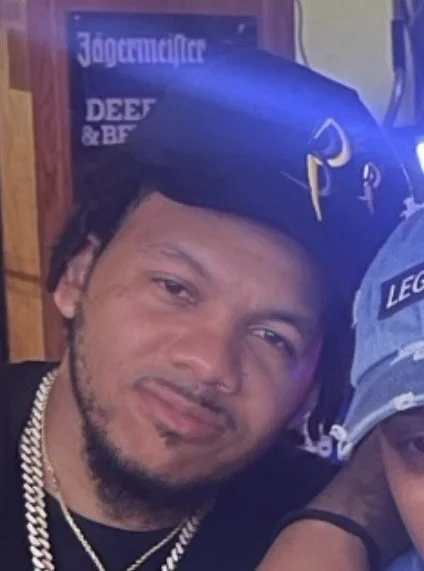
🧩 Marcus “M Dot” Mayfield was publicly referenced during federal testimony surrounding the violent GSM and Bugatti street conflict that prosecutors described inside the Pena trial.
According to testimony presented during trial, Taylor described Mayfield as somebody allegedly connected to violent street activity during the height of the conflict. Taylor also testified Mayfield allegedly had a “bag on Trag” and described him as a “button pusher” during the war, according to courtroom proceedings tied to the federal case.
The testimony, combined with ongoing public conversations surrounding anti-violence spaces, former street affiliations, and gang politics, has continued fueling debate throughout Staten Island neighborhoods and online discussions surrounding credibility, rehabilitation, and public trust.
The discussion also carries additional layers because Pena himself was reportedly at one point associated with True2Life before his incarceration — further highlighting how deeply intertwined community activism, street history, rehabilitation, and public perception can become inside neighborhoods impacted by long-standing violence.
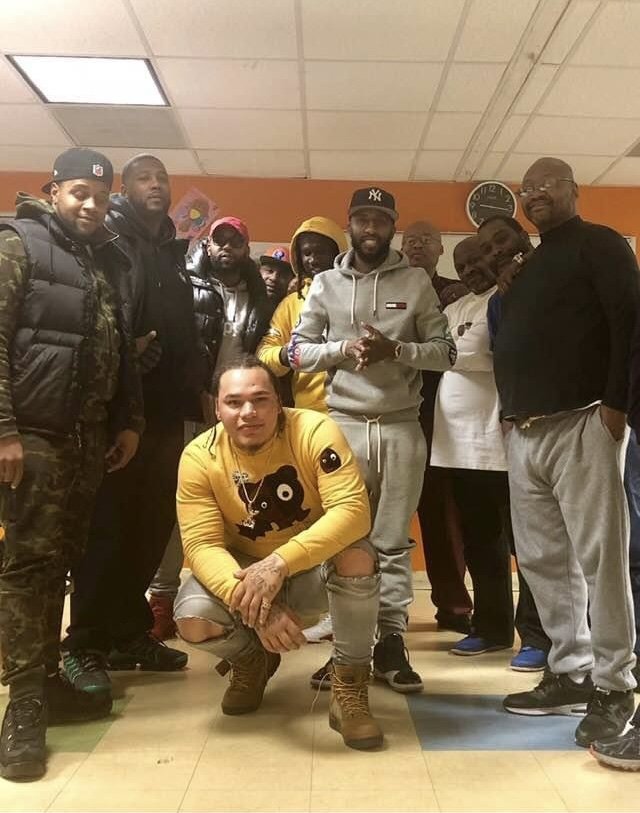
📸 A past True2Life group photo featuring multiple Staten Island figures whose names would later surface in violent incidents, public controversies, or major criminal prosecutions.
👀 Questions About Professional Boundaries
Beyond violence and street politics, additional private concerns have also circulated regarding professionalism and boundaries inside certain violence interruption spaces.
Multiple community members have privately raised concerns with LFTG Radio regarding alleged inappropriate relationships and blurred professional boundaries involving individuals connected to shooting responses and community outreach work.
Some allegations involve claims that emotionally vulnerable women connected to violent incidents or grieving families later became involved in personal or romantic situations with individuals tied to violence interruption spaces.
At this time, LFTG Radio has not independently verified those allegations, and no formal public findings or criminal accusations regarding such conduct have been presented.
Still, the conversations themselves reflect a growing concern some community members have about accountability, professionalism, power dynamics, and oversight inside publicly funded anti-violence organizations.
🧠 The Double-Edged Sword Of Street Credibility
The uncomfortable reality surrounding violence interruption programs is that their effectiveness often depends entirely on people who once participated in the environments they are now trying to calm.
Former gang members and respected street figures can often reach people police officers, politicians, and traditional nonprofits cannot.
They understand retaliation.
They understand pressure.
They understand neighborhood politics.
And they understand how quickly one death can spiral into several more.
That credibility can save lives.
But critics argue that same credibility can also become a liability once old conflicts, violent allegations, unresolved street politics, or questions about professionalism begin resurfacing around people publicly connected to peace initiatives.
And in the social media era, those contradictions rarely stay hidden.
Court transcripts become public.
Instagram posts get archived.
Old affiliations get revisited.
Street politics spill online forever.
The internet has made reinvention much harder.
💔 Can People Truly Leave The Streets Behind?
At the center of all of this is a larger question New York City still struggles to answer:
Can people shaped by violent environments genuinely evolve into trusted community leaders?
Or do old reputations, public perception, unresolved conflicts, and lingering street culture continue following them no matter how much they attempt to change?
For some, organizations rooted around former street figures represent redemption, mentorship, and second chances.
For others, incidents, allegations, and growing concerns surrounding accountability continue reinforcing skepticism about whether anti-violence movements can ever fully separate themselves from the streets they came from.
And that contradiction continues fueling intense debate across communities already exhausted by violence itself.
⚖️ Bigger Than One Organization
This conversation is ultimately much larger than one Bronx case, one Staten Island conflict, or one individual named during courtroom testimony.
It speaks to a deeper reality facing many neighborhoods across New York City:
The communities most impacted by violence are increasingly relying on people shaped by that same violence to help stop it.
Sometimes that transformation works.
Sometimes old politics continue lingering beneath the surface.
And sometimes the line between rehabilitation and reputation becomes far harder to separate than anybody wants to admit.
Not for clicks — for clarity.
— Elliott Carterr, LFTG Radio
📱 TikTok: @elliott_carterr ↗
📺 YouTube: @lftgradio ↗
🌐 Website: LFTGRadio.com ↗
⚖️ The Gutter Justice Project ↗
❤️ Support the work: LFTGRadio.com/donate ↗
