
The Same County. The Same Questions. A Different Name.
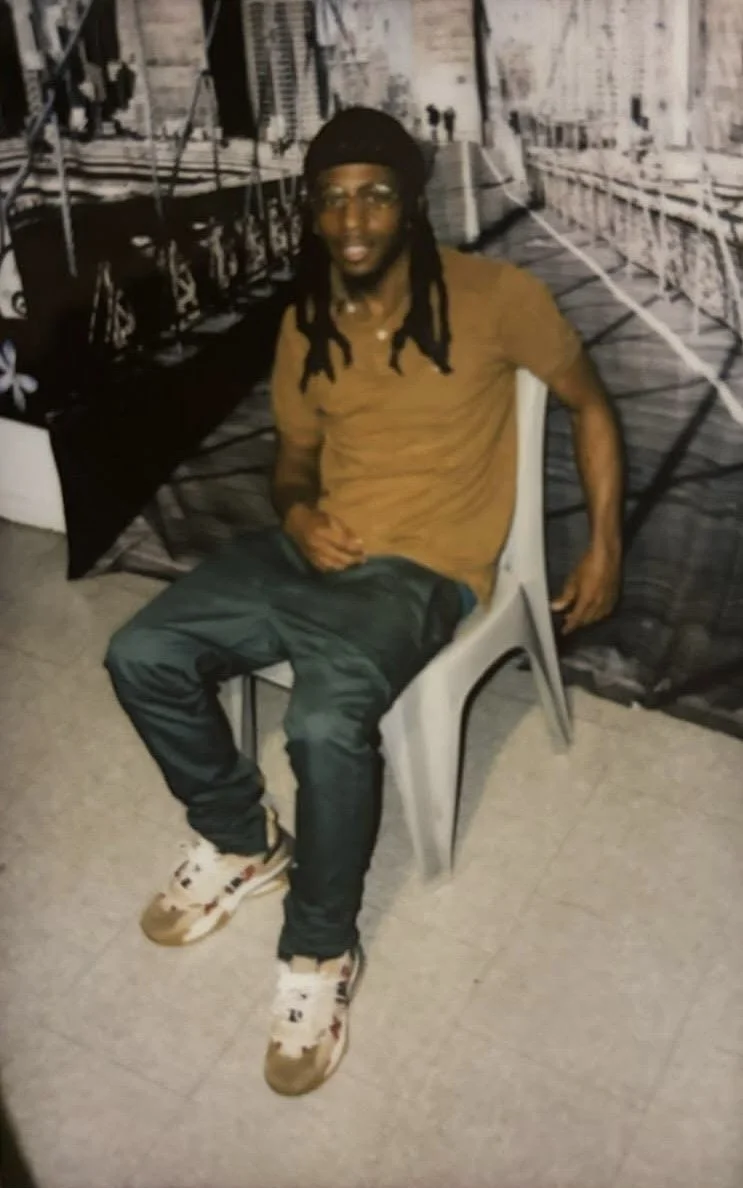
👤 Laquan Taylor — convicted at 23 and now facing decades behind bars before parole eligibility
Onondaga County, New York — In February 2017, Laquan Taylor was sentenced to 50 years to life in Onondaga County Court following a jury verdict tied to two incidents occurring within a 24-hour span in December 2014: the robbery of a Syracuse University graduate student near Westcott Street and the killing of James “Jake” Brown on the city’s South Side.
Brown, who was killed on Christmas Eve, was the brother of Mary Nelson, a well-known community activist in Syracuse. Prosecutors emphasized the timing of the homicide at sentencing, framing it as a violation of even the most basic social truce associated with the holiday.
The conviction was later affirmed on appeal.
But when the record is examined closely — alongside the defense presented at trial and the investigative choices reflected in the case — serious questions emerge. And those questions are becoming increasingly familiar to families coming out of Onondaga County, particularly in cases involving Black and Brown men.
🔎 What The Public Record Establishes
Court records and contemporaneous reporting confirm the following:
A jury convicted Laquan Taylor of murder in the second degree (felony murder), robbery in the first degree, attempted robbery in the first degree, and two counts of criminal possession of a weapon.
The prosecution’s theory was that Taylor participated in a robbery inside James Brown’s residence that resulted in Brown being shot and killed.
Corey Brown (no relation to the victim) pleaded guilty to participating in a robbery connected to the broader sequence of events surrounding the case.
The trial court rejected defense arguments challenging the prosecution’s narrative.
On appeal, the Fourth Department deferred to the jury’s credibility determinations and left the conviction intact.
Those outcomes are not in dispute.
What remains unresolved is how the jury arrived at that conclusion — and whether contradictions raised at trial were meaningfully answered.
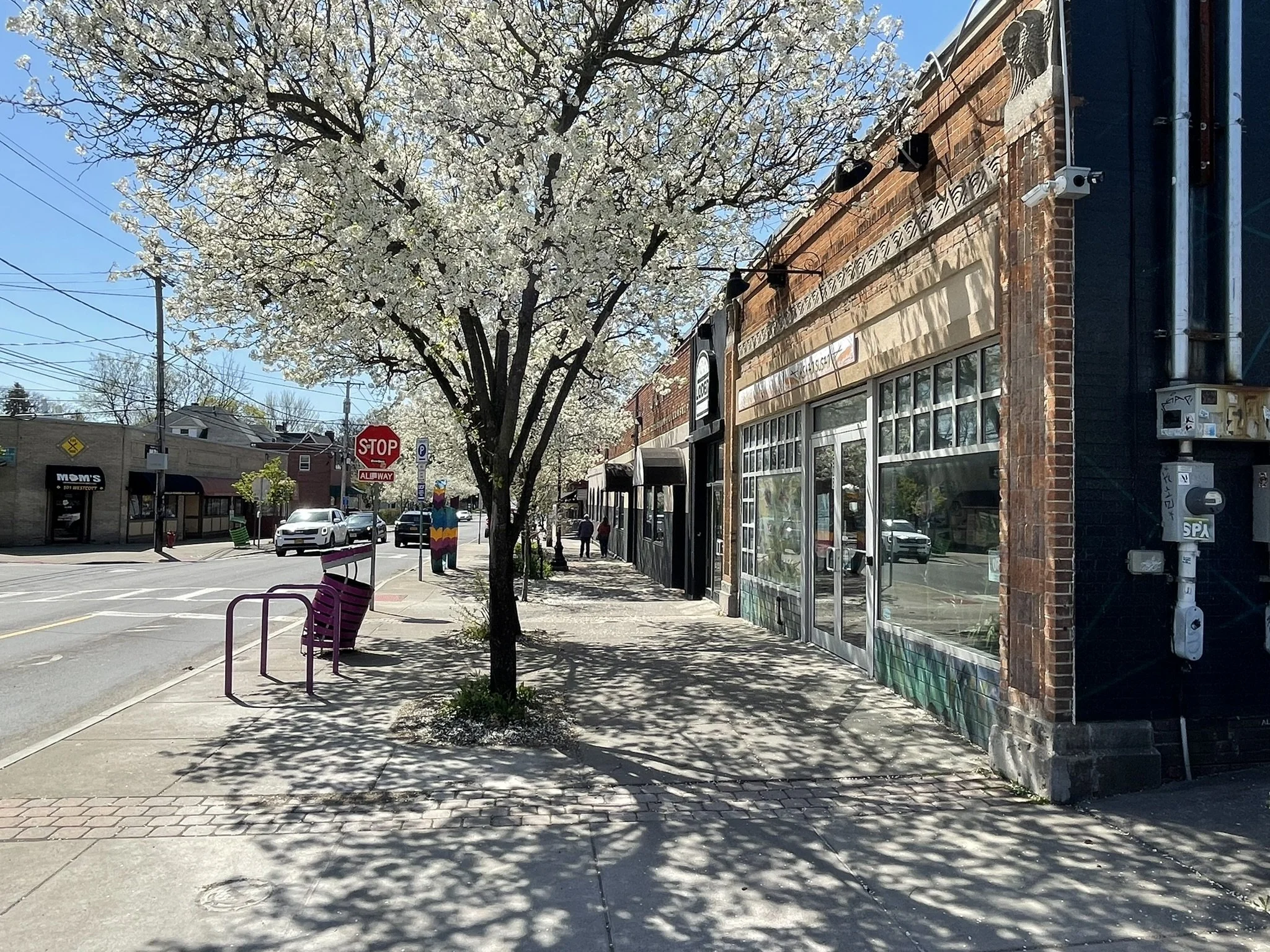
📍 Westcott Street Area — the University neighborhood tied to the first alleged robbery
⏳ The Weight Of The Sentence
Taylor was 23 years old at the time of sentencing.
According to New York State Department of Corrections records, he is serving an aggregate sentence of 50 years to life, with an earliest parole eligibility date in 2062. That means Taylor will spend nearly five decades incarcerated before the State is even required to consider his release — placing his first possible parole review when he is nearly 70 years old.
This is not a temporary punishment.
It is a life-altering sentence imposed while fundamental questions remain contested.
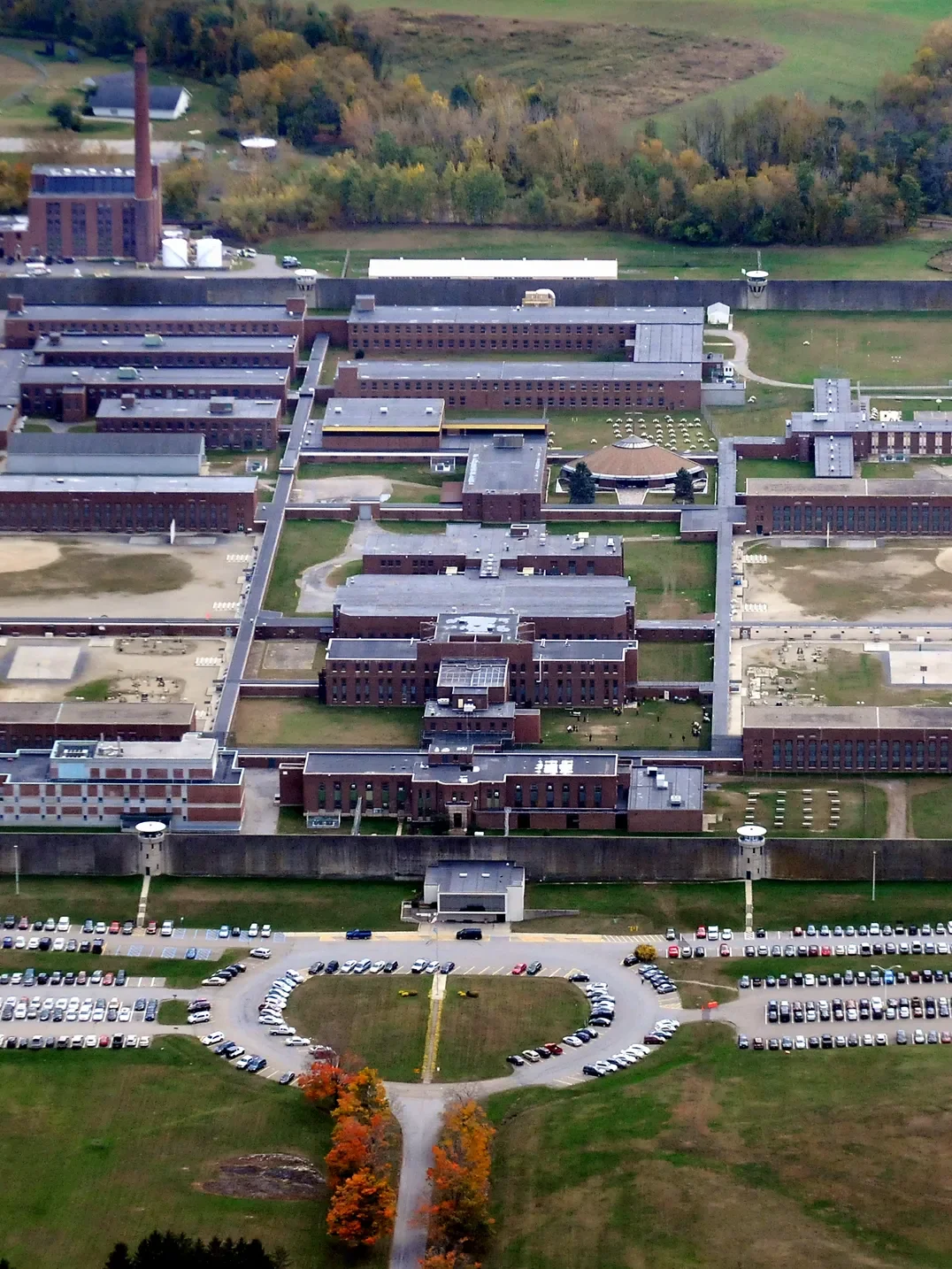
🏛️ Green Haven Correctional Facility — where Taylor is currently incarcerated
🧠 The Defense’s Case: A First-Hand Alibi And A Disputed Timeline
At trial, Taylor’s defense did not rely on speculation or distant theory. Defense counsel Patti Campbell presented testimony and argument asserting that Taylor was elsewhere during the critical early-morning hours when the State alleged the murder occurred.
According to the defense, testimony placed Taylor inside a private residence, not at the victim’s home, during the relevant time window. This was not second-hand information or rumor — it was presented as first-hand testimony from individuals with direct knowledge of Taylor’s whereabouts.
The prosecution disputed this account, and the jury ultimately credited the State’s timeline over the defense’s.
Still, the existence of a direct alibi dispute goes to the heart of the case: who was actually present at the scene when James Brown was shot.
That question did not disappear with the verdict.
🚩 Red Flags Raised At Trial — And Why They Still Matter
1️⃣ Physical Description Discrepancies
Defense arguments highlighted inconsistencies between early descriptions of the shooter and Taylor’s physical characteristics, including differences in height, build, and appearance. These discrepancies were acknowledged in court but resolved as credibility issues rather than forensic ones.
2️⃣ Cooperating Witness Dynamics
The case involved shifting narratives and cooperation issues related to Corey Brown, whose role in the broader sequence of events was undisputed, but whose placement in the prosecution’s final theory remained contested by the defense.
Across multiple case submissions reviewed by The Gutter Justice Project, similar cooperation dynamics — evolving statements, incentives, and pressure points — appear repeatedly.
3️⃣ Scene Access And Logistics
Trial arguments questioned how the shooting occurred inside the victim’s bedroom, focusing on access, familiarity with the residence, and the practical mechanics of the State’s theory.
4️⃣ Witness Credibility Under Pressure
The defense challenged the reliability of key witness testimony, arguing that statements changed over time in ways that aligned with prosecutorial needs rather than independent recollection.
🧩 A Broader Onondaga County Pattern
This case does not stand alone.
The Gutter Justice Project has received numerous case submissions from Onondaga County, overwhelmingly involving Black and Brown men, that share common features:
Contested timelines resolved against defendants
Heavy reliance on cooperating witnesses
Severe sentences despite unresolved questions
Appellate affirmances grounded in procedure rather than clarity
Taken together, these cases raise a difficult but necessary question:
Is Onondaga County developing a pattern where doubt consistently cuts one way — and where Black and Brown defendants pay the price when questions go unanswered?

⚖️ Syracuse Onondaga County Courthouse — where Taylor was tried and sentenced
👩🏾👦🏾 Human Context — Without Accusation
A family member of Laquan Taylor recently contacted The Gutter Justice Project seeking a review of the record. The outreach was not framed as denial or excuse-making. It was framed as a request for scrutiny.
This report does not accuse private individuals.
It examines what the State proved, what it did not prove, and what questions remain unresolved in the public record.
📂 What Happens Next
The Gutter Justice Project is conducting a document-based review focused on:
Trial transcripts
Police and supplemental reports
Forensic and DNA evidence
Cooperation agreements
Appellate filings
📣 Why This Story Matters
When the State imposes a 50-to-life sentence, accuracy is not optional.
If the conviction is sound, it should withstand daylight.
If it is not, silence only compounds the damage.
Not for clicks — for clarity.
— Elliott Carterr, LFTG Radio
📱 TikTok: @elliott_carterr ↗
📺 YouTube: @lftgradio ↗
🌐 Website: LFTGRadio.com ↗
⚖️ The Gutter Justice Project ↗
❤️ Support the work: LFTGRadio.com/donate ↗
