🎤 The Gutter Report: Nine Proffers, Hundreds Of Kilos And The Cooperation Deal That Never Came
Federal court filings reveal prosecutors were prepared to tell a jury that James “Jimmy Henchman” Rosemond admitted details of a massive bi-coastal cocaine operation, identified suppliers, described trafficking routes, discussed money laundering, implicated associates, and provided information about violent incidents. He sat through nine proffer sessions with federal authorities in an effort to receive consideration from the government — a level of cooperation that, in many circles, speaks for itself
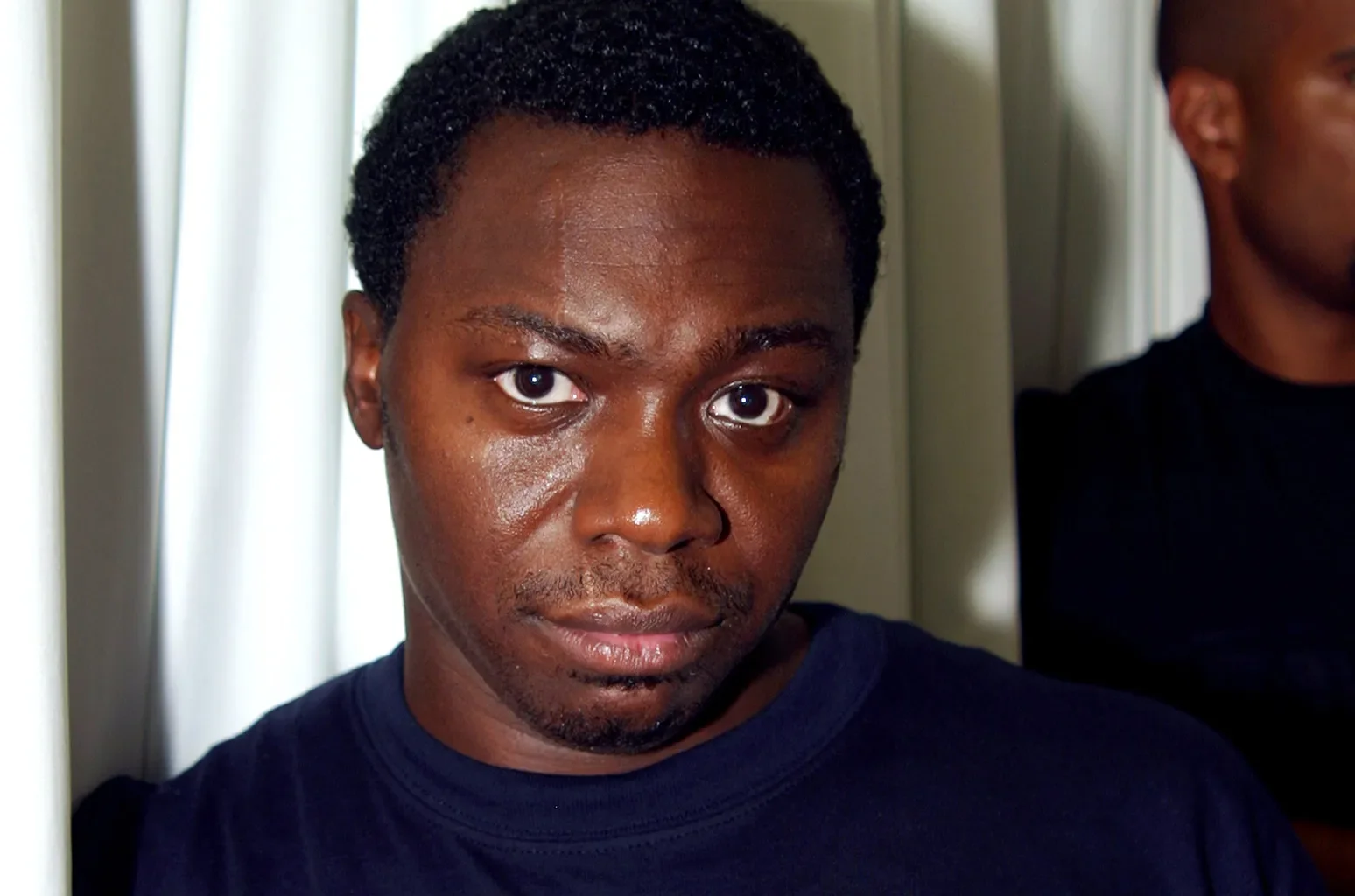
🖼️ James “Jimmy Henchman” Rosemond, the former music executive whose nine proffer sessions remain one of the most debated chapters of his federal cases.
Federal Court — For years, the Jimmy Henchman story has been debated through one simple question:
Did he cooperate?
According to the federal court record, that question isn’t complicated.
James “Jimmy Henchman” Rosemond sat for nine separate proffer sessions with federal authorities and provided extensive information about drug trafficking, suppliers, money laundering, firearms, criminal associates, and violent incidents.
In most cases, one proffer session is enough to raise serious questions. Nine sessions — with detailed admissions — leaves little ambiguity about what took place.
Yet despite all of that, the government ultimately refused to offer him a cooperation agreement.
To understand why the case remains controversial, people first need to understand what a proffer session actually is.
⚖️ What Is A Proffer Session?
A proffer session is a meeting between a defendant and federal prosecutors where the defendant provides information about criminal activity in hopes of receiving consideration from the government.
That consideration can take several forms:
• A cooperation agreement.
• A sentencing reduction.
• A substantial-assistance motion.
• Other favorable treatment from the government.
In short, the government gets information and the defendant hopes to receive credit for providing it.
In many federal cases, a person may sit for one proffer session.
Maybe two.
According to court records, Rosemond sat for nine.
🔥 What Prosecutors Said Rosemond Told Them
One government filing outlines statements prosecutors said Rosemond made during those proffer sessions and were prepared to introduce at trial if proffer protections were waived.
According to the filing, Rosemond allegedly stated that Los Angeles-based supplier Bennett provided him with approximately 200 to 250 kilograms of cocaine in 2010 alone.
Prosecutors further alleged that Rosemond stated his organization distributed between approximately 480 and 600 kilograms of cocaine annually between 2007 and 2010.
The filing also states that Rosemond described himself as the “CEO” of the organization and acknowledged ultimate responsibility whenever drugs or money went missing.
🚚 Drug Routes, Shipping Methods And Smuggling Techniques
According to prosecutors, Rosemond described in detail how narcotics and cash allegedly moved between California and New York.
The filing alleges that the organization:
• Concealed cocaine inside music equipment road cases.
• Used Rock It Cargo to transport those cases.
• Vacuum-sealed cash for shipment.
• Concealed cocaine inside mustard containers.
• Shipped approximately eight to ten kilograms at a time.
• Moved roughly twenty-five kilograms of cocaine to New York twice each month.
The filing further states that members of the organization communicated through encrypted BlackBerry devices.
Prosecutors also alleged Rosemond explained that the road-case method was first tested using ten pounds of marijuana and two kilograms of cocaine before expanding into larger shipments.
💰 Millions Of Dollars And Money Laundering Allegations
According to the filing, Rosemond allegedly described a music case seized by the DEA that originally contained approximately $1.7 million.
Prosecutors stated that approximately $1.2 million was allegedly destined for supplier Bennett and another $500,000 for Miami supplier Mark Stanley.
The filing further alleges Rosemond admitted:
• Spending approximately $644,000 renovating a Brooklyn apartment.
• Paying approximately 80% to 90% of the apartment’s mortgage with narcotics proceeds.
• Purchasing a Bentley with drug proceeds and later selling it for clean money.
• Using money orders to disguise the source of funds.
• Paying attorneys with money allegedly derived from narcotics trafficking.
• Having employees purchase money orders on his behalf.
🏠 Stash Houses And Drug Operations
According to prosecutors, Rosemond identified stash locations in Manhattan and Queens.
The filing alleges he admitted that some of the approximately twelve kilograms of cocaine seized from a Queens stash location belonged to him.
The filing also states Rosemond allegedly described a Los Angeles apartment used to package narcotics and receive money.
Additionally, prosecutors alleged Rosemond and Bennett each invested $50,000 into a private mailbox located on Wilshire Boulevard in Los Angeles that was used in furtherance of narcotics trafficking operations.
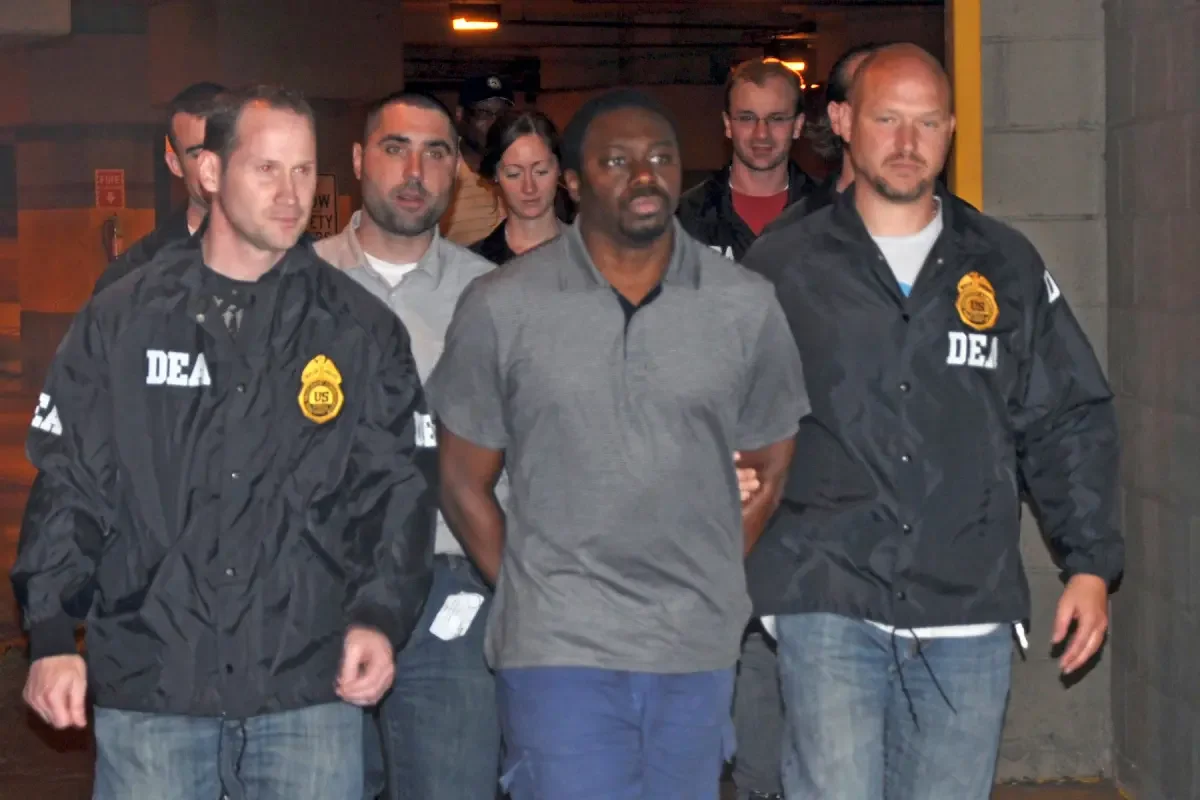
🕵🏻♂️ Federal agents escort Rosemond following his arrest as prosecutors pursued narcotics trafficking and later murder-for-hire allegations.
🔫 Firearms, Associates And Henry Butler
The government filing alleges Rosemond admitted asking Winston Harris to purchase a firearm for him and stated that Khalil Abdullah later took possession of the weapon.
Prosecutors also alleged Rosemond acknowledged ownership of a .22 caliber firearm recovered during a 2008 search of his Los Angeles residence.
One of the most significant portions of the filing concerns Henry Butler, a former associate who later cooperated with federal authorities.
According to prosecutors, Rosemond learned Butler was cooperating after reviewing notes from Butler’s proffer sessions.
The filing alleges Rosemond immediately informed Khalil Abdullah, sought additional information about Butler’s cooperation, contacted Butler’s wife, and discussed the situation with others.
🎤 Violence Allegations Discussed During Proffers
The filing also contains allegations concerning several incidents prosecutors said Rosemond discussed during the proffer process.
Those allegations include incidents involving:
• Suge Knight.
• Tony Yayo and G-Unit.
• The shooting at Tony Yayo’s mother’s residence.
• The murder of Lowell “Lodi Mack” Fletcher.
• An alleged shooting involving Chris Lighty’s cousin.
• A North Carolina shooting involving Roger Brown.
• A 1983 armed robbery that resulted in a homicide.
According to the filing, Rosemond allegedly discussed locating Fletcher, coordinating through associates, arranging payment, and authorizing compensation in the form of a kilogram of cocaine.
Importantly, prosecutors noted that they were not necessarily claiming all of these incidents were directly related to the narcotics charges. Rather, they argued some could become relevant if certain defenses were raised.
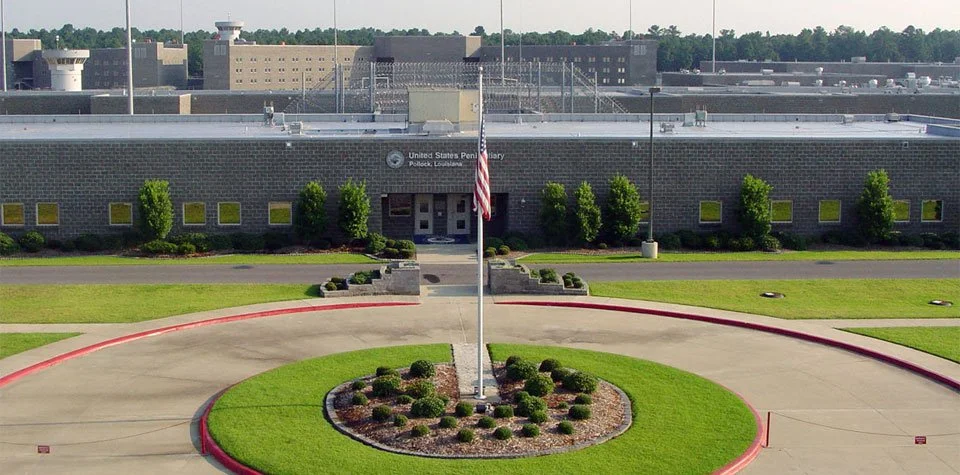
🏢 USP Pollock in Louisiana, the high-security federal prison where Rosemond is currently serving his sentence.
🧩 So Why Didn’t He Get The Deal?
This is where the story changes.
Despite nine proffer sessions and the extensive information outlined in court filings, Rosemond never received a cooperation agreement.
According to later court proceedings, prosecutors concluded that Rosemond was not being fully truthful during portions of the proffer process.
The government cited concerns involving statements about a decades-old homicide, other allegedly inaccurate information, and conduct prosecutors believed undermined his credibility.
Rosemond’s attorneys strongly disagreed, arguing that prosecutors continued meeting with him, continued gathering information, and continued pursuing leads generated by the proffers long after many of those concerns had allegedly surfaced.
Ultimately, the courts sided with the government.
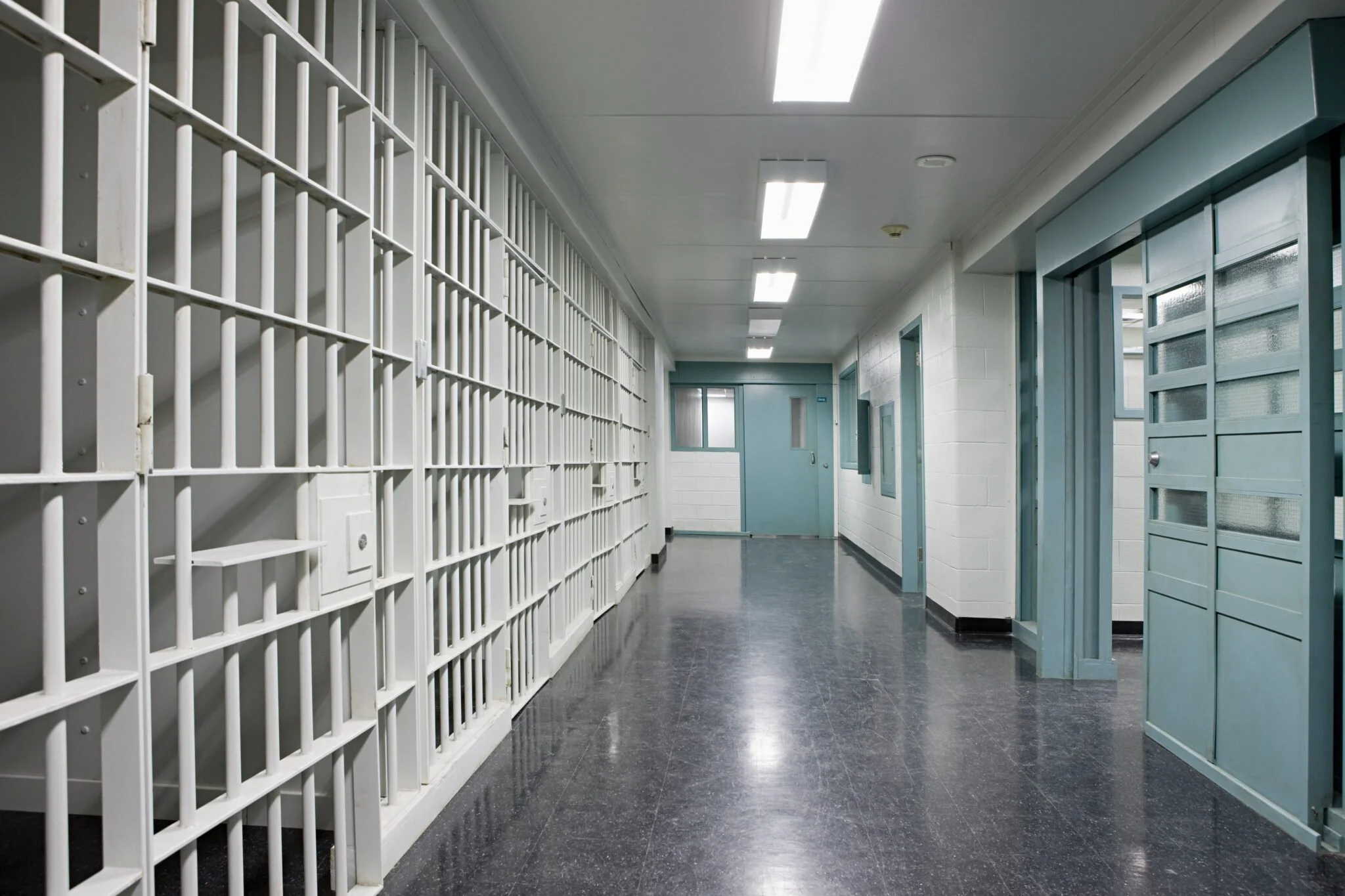
⛓️ USP Pollock in Louisiana, the high-security federal prison where Rosemond is currently serving his sentence.
📌 The Debate That Never Ends
The federal court record answers one question clearly:
James “Jimmy Henchman” Rosemond sat through nine proffer sessions and provided extensive information to federal authorities.
He never received a cooperation agreement.
But in many communities, the number of sessions and the volume of information matter more than whether a deal was ultimately signed.
One proffer session raises questions.
Nine sessions involving suppliers, trafficking routes, money laundering methods, criminal associates, firearms, and violence create a debate that continues more than a decade later.
Not for clicks — for clarity.
— Elliott Carterr, LFTG Radio
📱 TikTok: @elliott_carterr ↗
📸 Instagram: @thegutterreport ↗
📺 YouTube: @lftgradio ↗
🌐 Website: LFTGRadio.com ↗
⚖️ The Gutter Justice Project ↗
❤️ Support the work: LFTGRadio.com/donate ↗
