
⚖️ The Gutter Report: Two Decades Of Court Records, Abuse Allegations, And The Growing Demand To Remove Captain Michael Blot
Published court records, recent reporting, and advocacy demands are raising new questions about Captain Michael Blot’s continued role inside New York State prisons after years of lawsuits and allegations involving excessive force, retaliation, sexual abuse claims, suicide-watch conduct, and conditions inside correctional facilities
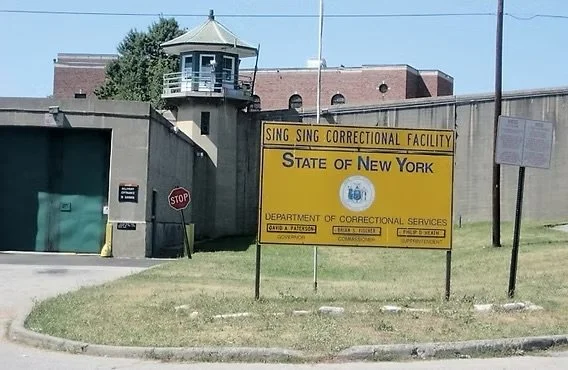
🖼️ Sing Sing Correctional Facility in Ossining, where multiple lawsuits naming Michael Blot originated over the past two decades.
New York State — For more than two decades, the name Michael Blot has appeared across published court records involving incarcerated people inside New York State prisons.
Not every allegation was proven. Not every claim survived. Some cases were dismissed on procedural grounds, exhaustion issues, pleading standards, or summary judgment.
But the larger question now being raised by advocates is not limited to whether one lawsuit succeeded.
The question is why one correction official has been repeatedly named in serious allegations across different years, different facilities, and different incarcerated people — and why the public has not received a clear explanation of what the New York State Department of Corrections and Community Supervision (DOCCS) knew, what it investigated, and what actions, if any, were taken.
🚨 A Pattern Found In Public Court Records
The cases reviewed include Perez v. Blot, Baskerville v. Blot, Sims v. Blot, Haywood v. Annucci, Bright v. Annucci, and Nova v. Martuscello.
Together, those records span allegations involving excessive force, retaliation, failure to protect, sexual assault, medical indifference, threats, and abuse of authority.
In Perez v. Blot, an incarcerated man brought an excessive-force lawsuit alleging he was assaulted by correction officers, including Blot, while at Sing Sing Correctional Facility.
In Baskerville v. Blot, the plaintiff alleged that a misbehavior report was filed in retaliation after prior litigation and grievances and that he suffered injuries connected to an alleged assault.
In Sims v. Blot, Nathaniel Sims alleged that Blot and another correction officer physically assaulted him during a strip frisk at Sing Sing Correctional Facility on December 20, 1999.
In Haywood v. Annucci, Tyrone Haywood alleged constitutional violations arising from physical and sexual assaults at Green Haven Correctional Facility. At an earlier stage, the court allowed excessive-force claims against Blot to survive a motion to dismiss, although the case was later resolved in favor of the defendants at summary judgment.
In Nova v. Martuscello, a 2025 federal decision addressed allegations involving Blot and other DOCCS officials. The court dismissed several claims against moving defendants, including failure-to-protect claims against Blot, while allowing other claims against non-moving defendants and certain claims to continue.
These records do not establish guilt by themselves.
But they do establish something important:
Blot’s name has appeared in serious correction-related litigation over a span of more than twenty years.
🩸 The Bright v. Annucci Allegations
The most disturbing allegations reviewed appear in Bright v. Annucci.
In that case, Willie Bright alleged that while he was under suicide observation at Green Haven Correctional Facility in December 2015, Blot and other correction officers watched him attempt suicide and laughed.
Bright further alleged that after the noose snapped, Blot entered the room, restrained him, stripped him of his body wrap, placed him on his stomach, sat on his lower back, and forcibly penetrated his rectum with his hand.
Bright also alleged that Blot threatened him in an effort to make him retract testimony he had previously provided in another lawsuit involving correction officers.
According to the allegations, Blot then removed blood-soaked bedding and attempted to clean the scene before leaving him injured.
Those remain allegations.
But the seriousness of the claims, combined with the fact that multiple constitutional claims in the broader litigation were permitted to proceed, is exactly why advocates say DOCCS should have been required to provide a clear public explanation of what investigative steps were taken.
🏛️ The Jay Act Initiative Demands Removal
The Jay Act Advocacy & Legal Reform Initiative is now demanding that Captain Michael Blot be removed from all positions of authority, supervision, and public trust pending the completion of appropriate investigations and disciplinary review.
The demand letter argues that Blot’s continued employment in a position of authority is incompatible with DOCCS’ stated commitments to integrity, professionalism, constitutional accountability, PREA compliance, and the Department’s own sexual abuse prevention policies.
The organization is also demanding confirmation that DOCCS complied with PREA protocols, that the Office of Special Investigations reviewed the allegations, and that every complaint, grievance, PREA report, or allegation involving Blot throughout his employment be independently reviewed.
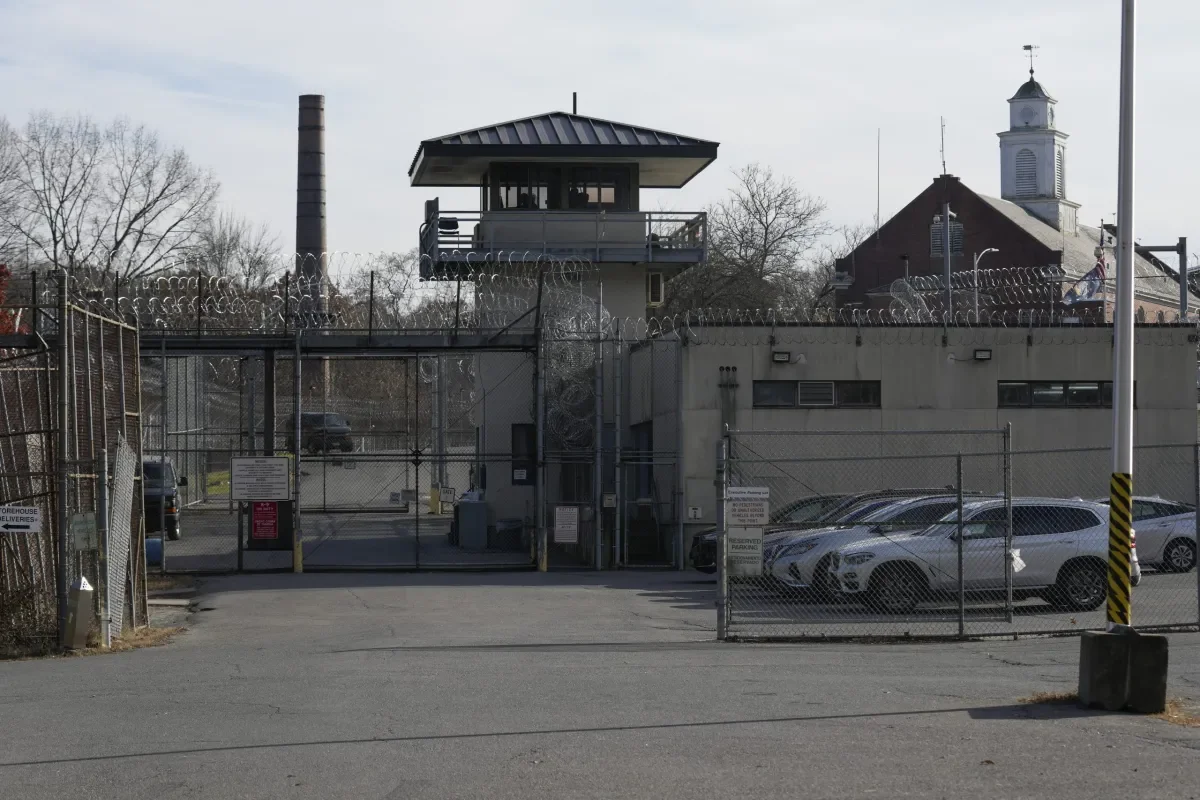
🖼️ Bedford Hills Correctional Facility, where advocates later raised concerns about conditions during Blot’s tenure in facility leadership.
🔒 PREA, DOCCS Policy, And The Duty To Act
DOCCS publicly states that PREA investigations cover reports of sexual abuse, sexual harassment, and retaliation connected to sexual abuse or harassment.
DOCCS Directive 4027 establishes a framework for sexual victimization prevention and response, including PREA oversight, facility compliance responsibilities, and reporting obligations involving abuse, misconduct, corruption, conflicts of interest, and unauthorized relationships.
That means the issue is not simply whether allegations were filed.
The issue is whether those allegations triggered the type of review that DOCCS policies are supposed to require.
When serious allegations appear once, an agency can call it an isolated claim.
When allegations appear repeatedly across decades, facilities, and court records, the public-interest question becomes much larger.
Was a pattern identified?
Was it ignored?
Was it investigated?
And if DOCCS concluded there was no misconduct, why has the Department not publicly explained how it reached that conclusion?
📣 The Accountability Question
This is bigger than one officer.
It is about whether DOCCS has a functioning early-warning system for staff misconduct allegations.
It is about whether PREA protections are meaningful when the accused person holds authority inside the facility.
It is about whether grievances, civil lawsuits, and court records are treated as warning signs — or paperwork to be defeated.
And it is about whether incarcerated people and their families can trust that complaints of abuse will be investigated without retaliation.
The Jay Act Advocacy & Legal Reform Initiative says transparency is not optional.
Accountability is not discretionary.
And no correction employee should remain beyond public scrutiny simply because the alleged victims are incarcerated.
The question now sits directly in front of DOCCS leadership:
Will the Department explain what it knew, what it investigated, and why Captain Michael Blot remains in a position of authority?
Or will silence continue to be treated as policy?
Not for clicks — for clarity.
— Elliott Carterr, LFTG Radio
📱 TikTok: @elliott_carterr ↗
📸 Instagram: @thegutterreport ↗
📺 YouTube: @lftgradio ↗
🌐 Website: LFTGRadio.com ↗
⚖️ The Gutter Justice Project ↗
❤️ Support the work: LFTGRadio.com/donate ↗
